24 December 2025
Choosing the best time to do the Sar Pass Trek (Sarpass Trek) can completely change your trekking experience. Located in Himachal Pradesh and starting from the Kasol - Grahan region, the Sarpass Trek is known for its dramatic snowfields, wide alpine meadows, dense pine forests, and a thrilling high-altitude pass crossing at over 13,800 ft.
Unlike many Himalayan treks, Sar Pass is highly seasonal. Snow conditions, trail safety, and difficulty vary drastically from month to month. This guide explains the best season for Sar Pass Trek, based on real trail conditions, weather patterns, and suitability for beginners versus experienced trekkers.
WHY TIMING MATTERS FOR SAR PASS TREK
Why Choosing the Right Season for the Sar Pass Trek Is Crucial
Sar Pass is not a year-round trek. Attempting it outside the recommended months can mean:
Unsafe snow bridges
Landslide-prone trails
Closed forest routes
Extreme weather exposure
The best time for the Sar Pass Trek depends on what you want:
Snow trekking experience
Green meadows & clear trails
Beginner-friendly conditions
Unlike easier treks such as Kedarkantha Trek, Sar Pass involves long walking days, steep ascents, and a technical pass crossing, making seasonal planning extremely important.
BEST TIME TO DO SAR PASS TREK (OVERVIEW)
Best Season for Sar Pass Trek at a Glance
The best time to do Sar Pass Trek is from mid-May to June, when the trail is accessible, snow is still present, and weather conditions are manageable.
SAR PASS TREK IN MAY (BEST MONTH FOR SNOW)
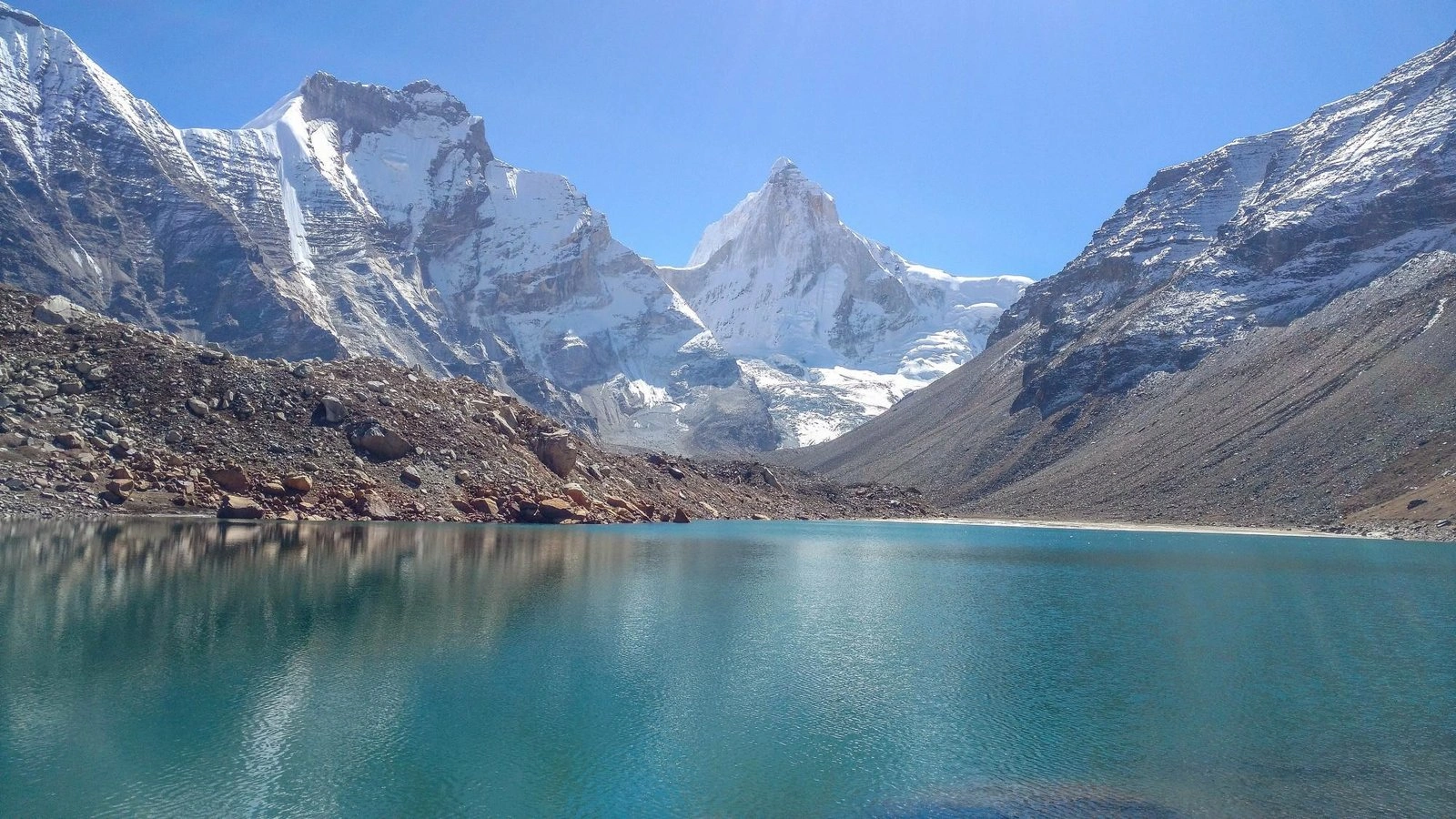
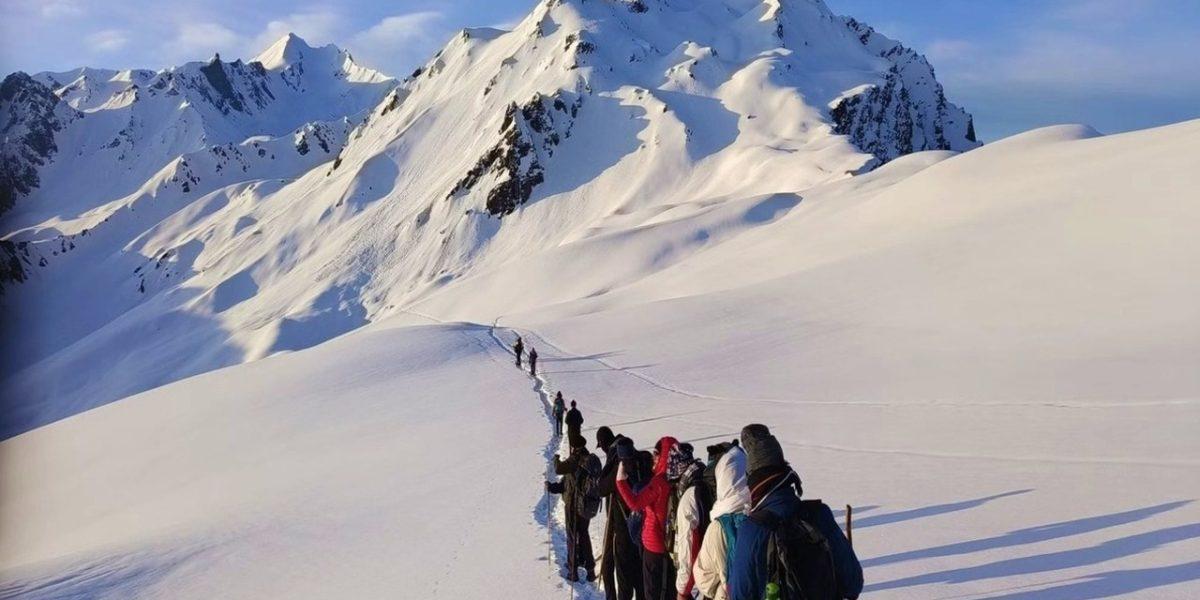
Sar Pass Trek in May: Snow Lover’s Paradise
May is widely considered the best month for the Sar Pass Trek, especially for trekkers who want a true Himalayan snow adventure.
What to Expect in May:
Thick snow above Min Thach & Nagaru
Snow-covered Sar Pass crossing
Snow + forest contrast at lower camps
Pleasant daytime temperatures
Weather in May:
Day temperature: 8°C to 15°C
Night temperature: 0°C to -5°C (higher camps)
This is the month when Sar Pass offers an experience similar to Brahmatal Trek or Hampta Pass Trek, but with longer snow walks and a more challenging summit day.
Best for:
Snow trekking lovers
Fit beginners with guidance
Adventure seekers
Sar Pass Trek in June – Balanced Weather & Safer Trails
June is often considered the most balanced and beginner-friendly time to do the Sar Pass Trek. By this month, the region transitions from heavy spring snow to more stable summer conditions, making the trek safer while still retaining patches of snow at higher camps.
During early June, trekkers still encounter snow near Nagaru Camp and the Sar Pass crossing, but the trail is more defined compared to May. This reduces the technical difficulty of walking on snow and lowers the risk of slips, especially for first-time high-altitude trekkers.
Weather Conditions in June
Day temperature: 12°C to 18°C
Night temperature: 3°C to 7°C
Weather pattern: Clear mornings, occasional afternoon clouds
Long daylight hours in June allow for a more relaxed trekking pace, which is helpful on demanding days like the Nagaru to Biskeri Thach descent. Compared to treks such as Rupin Pass Trek and Pin Bhaba Pass Trek, Sar Pass in June feels less technical while still delivering a true high-pass experience.
Why June Works Well for Most Trekkers
Snow is present but manageable
Lower risk of extreme cold
Better trail visibility
Suitable for fit beginners and intermediate trekkers
For trekkers who want adventure without extreme conditions, June is often the best month for Sar Pass Trek.
Why Sar Pass Trek Is Not Recommended During Monsoon (July–August)
While many Himalayan regions look lush during the monsoon, the Sar Pass Trek is not safe in July and August. The trail passes through dense forests, steep slopes, and narrow ridges that become highly unstable during heavy rainfall.
Monsoon rain significantly increases the risk of:
Landslides near Kasol and Grahan village
Slippery forest trails with leeches
Poor visibility at high camps
Washed-out paths near alpine meadows
Even experienced trekkers avoid Sar Pass during this season. Most professional operators shift focus to safer monsoon treks like Valley of Flowers Trek, which is designed to be done during the rainy season.
Safety Comes First
Choosing the best time to do Sar Pass Trek is not just about scenery - it’s about safety. Attempting the trek in monsoon months often leads to cancellations, injuries, or incomplete summit attempts.
Sar Pass Trek: Best Time for Beginners
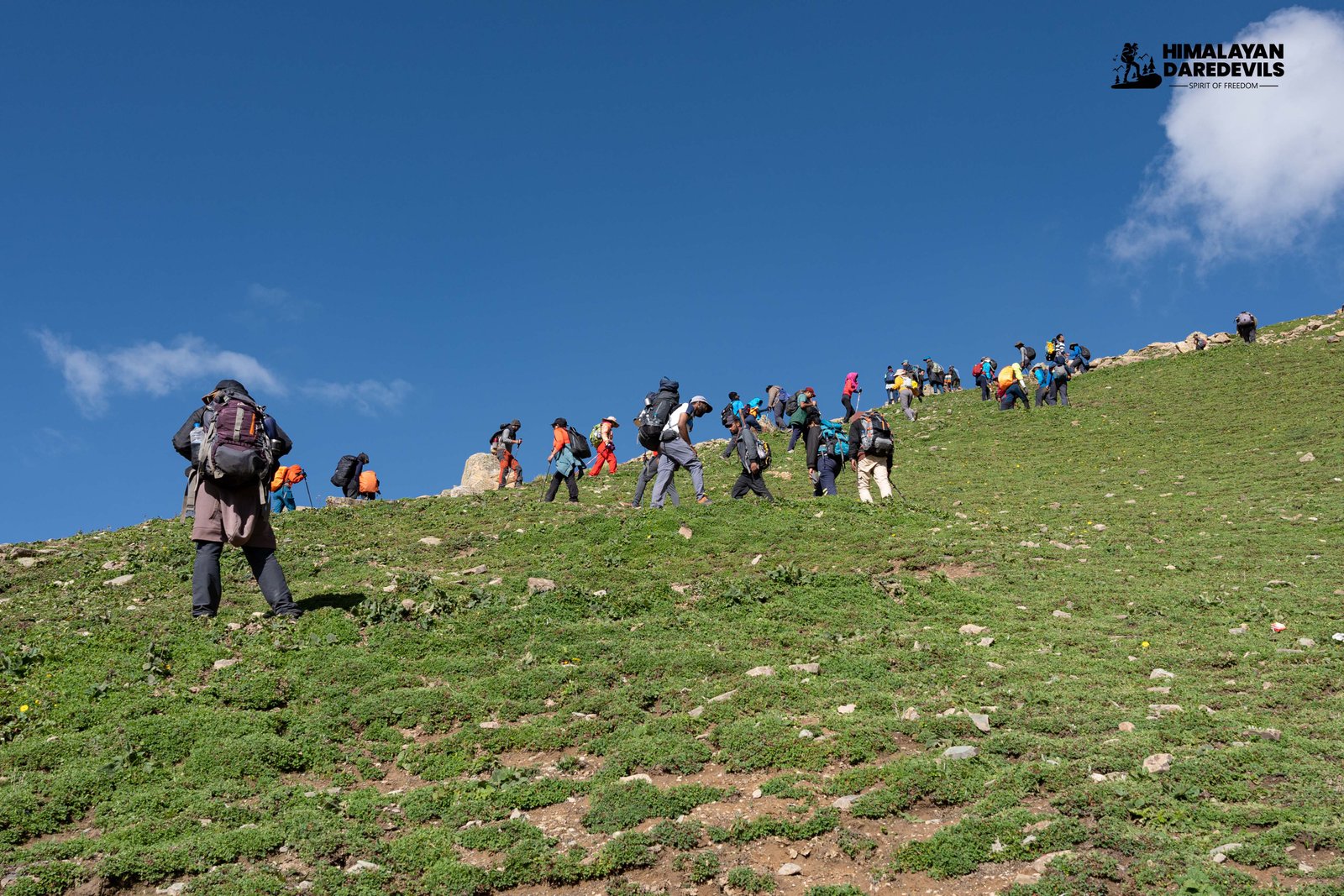
Sar Pass is often marketed as a beginner-friendly trek, but this is only true during the right season. For beginners, the ideal window is late May to early June.
During this period:
Snow bridges are stable
Guides can cut safe paths
Campsites are accessible
Emergency exit routes remain open
Compared to easier Himalayan treks like the Bhrigu Lake Trek, Sar Pass requires better endurance due to longer walking hours and a demanding pass-crossing day.
Beginner Reality Check
If you’re new to trekking:
Start fitness training at least 4–6 weeks in advance
Expect a long summit day (8–10 hours)
Listen closely to the trek leaders
Choosing the best season for the Sar Pass Trek makes the difference between an exhausting struggle and a rewarding achievement
How the Best Time Affects Sar Pass Trek Difficulty
Sar Pass Trek difficulty changes dramatically with the seasons.
Difficulty by Month
May: Moderate to Difficult (snow-heavy, thrilling but demanding)
June: Moderate (ideal balance of challenge and safety)
July onwards: Unsafe / not operational
In May, snow increases physical effort and requires careful foot placement. By June, reduced snow exposure allows trekkers to focus more on endurance than technical movement.
Which Month Should YOU Choose for Sar Pass Trek?
Not every trekker has the same goal. Here’s how to decide the best time for Sar Pass Trek based on your preference:
For snow adventure: Mid to late May
For beginners: Late May to early June
For clear views & comfort: June
For monsoon months: Avoid July–August
Your trekking experience, fitness level, and risk tolerance should guide your choice - not just availability.
Final Thoughts – Best Time to Do Sar Pass Trek
The best time to do Sar Pass Trek is from mid-May to June, when weather conditions, trail safety, and overall experience align perfectly. This short window offers the rare combination of snow adventure and manageable trekking difficulty.
For complete itinerary details, inclusions, and expert guidance, visit the Sar Pass Trek page by Himalayan Daredevils and choose your dates wisely.
Frequently Asked Questions – Sar Pass Trek Best Time
1. What is the best time to do the Sar Pass Trek?
The best time to do the Sar Pass Trek is from mid-May to June. During this period, the trail is accessible, snow conditions are manageable, and weather remains relatively stable. This short trekking window offers the perfect balance between adventure and safety.
2. Which is the best month for Sar Pass Trek if I want snow?
May is the best month for Sar Pass Trek if you want a proper snow trekking experience. Higher camps like Nagaru and the Sar Pass crossing remain covered in snow, making the trek adventurous while still being safely operable under expert guidance.
3. Is Sar Pass Trek suitable for beginners?
Yes, Sar Pass Trek is suitable for beginners, but only during the right season. Late May to early June is ideal for first-time trekkers who are physically fit and prepared. Outside this window, conditions can become unsafe or too demanding for beginners.
4. Can Sar Pass Trek be done in June?
Yes, June is an excellent time to do Sar Pass Trek. Snow gradually reduces, trails become clearer, and temperatures are more comfortable. This makes June a preferred month for beginners, group trekkers, and those looking for a balanced trekking experience.
5. Why is Sar Pass Trek not recommended during monsoon?
Sar Pass Trek is not recommended during July and August due to heavy rainfall in Himachal Pradesh. Monsoon increases the risk of landslides, slippery forest trails, poor visibility, and route closures, making the trek unsafe during this period.
6. What is the weather like on Sar Pass Trek during the best season?
During the best season (May–June), daytime temperatures range between 8°C to 18°C, while night temperatures can drop to 0°C or slightly below at higher camps. Weather is generally clear in the mornings with occasional clouds in the afternoon.
7. How does the best time affect Sar Pass Trek difficulty?
The difficulty of Sar Pass Trek depends heavily on timing. In May, the trek feels more challenging due to extensive snow. In June, reduced snow and clearer trails make it moderately difficult. Choosing the right season significantly improves safety and comfort.
8. Is Sar Pass Trek safe during the best time?
Yes, Sar Pass Trek is safe when done during mid-May to June with a professional trekking operator. Proper route planning, experienced guides, and favorable weather conditions ensure a safe and enjoyable trekking experience during this window.