29 April 2026
Uttarakhand is often called Dev Bhoomi for a reason. The mountains here are not just about views or trekking routes. They hold stories, beliefs, and places that people have been visiting for centuries.
Among them, the temples of Lord Shiva stand out the most. Many of these temples are located high in the Himalayas, far from cities and noise. Reaching them is not always easy. You walk for hours, sometimes days. But that effort is what makes the experience feel meaningful.
If you enjoy both travel and spirituality, these temples offer something rare. Let’s explore the five highest Shiva temples in Uttarakhand and what makes each one worth visiting.
Quick Overview of the Highest Shiva Temples
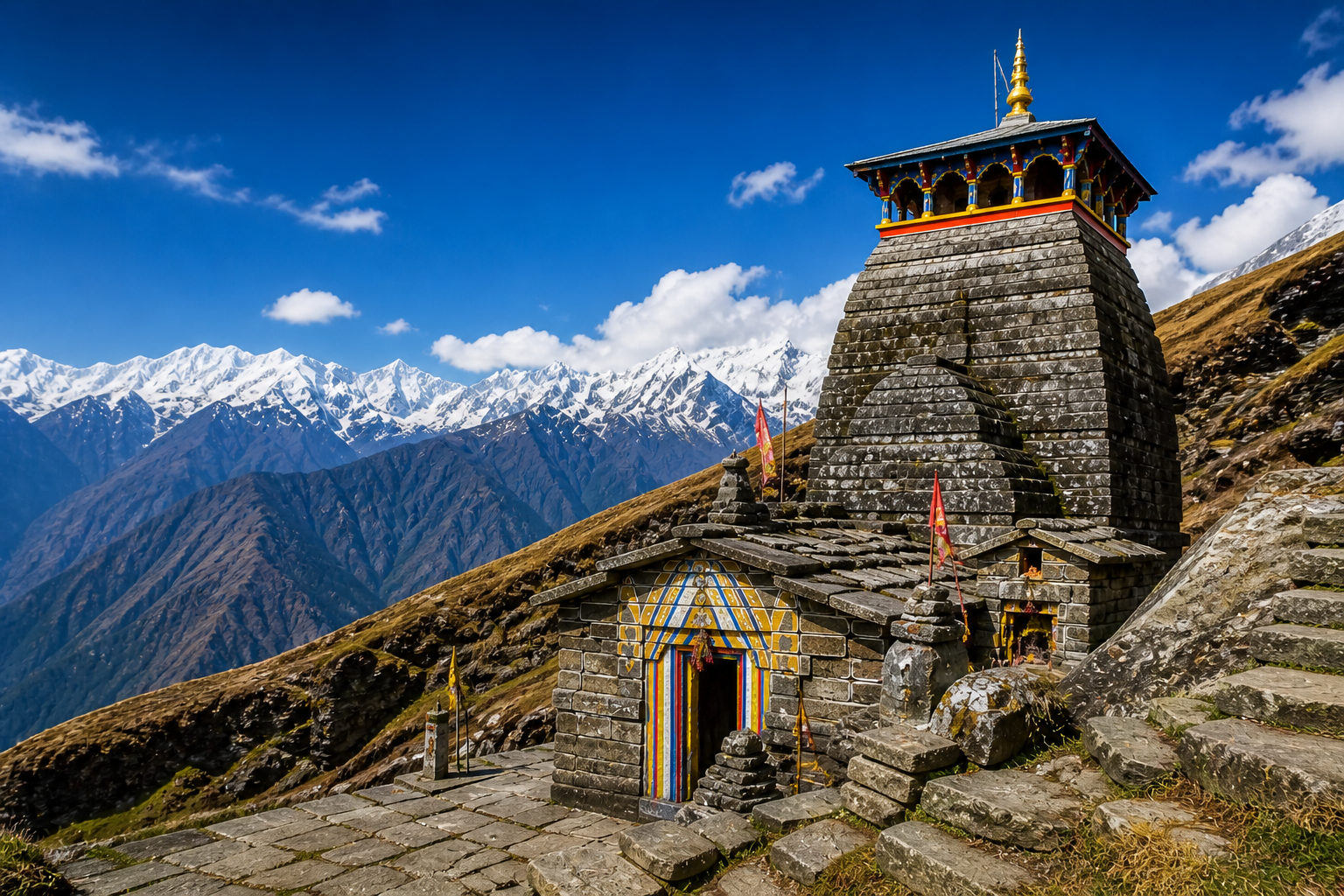
 1. Tungnath Temple – The Highest Shiva Temple in the World
Tungnath is the highest Shiva temple in the world, located at 3,680 meters. It is also part of the sacred Panch Kedar circuit and attracts both trekkers and pilgrims.
The journey begins from Chopta and covers a short but beautiful trail of around 3.5 km. The path is well-marked and suitable for beginners, which makes it one of the most accessible Himalayan treks.
Many travelers extend their journey to Chandrashila, just above the temple. If you want to experience both, you can explore the complete Tungnath Chandrashila Trek, which combines spiritual exploration with stunning summit views.
2. Kedarnath Temple – A Sacred Jyotirlinga
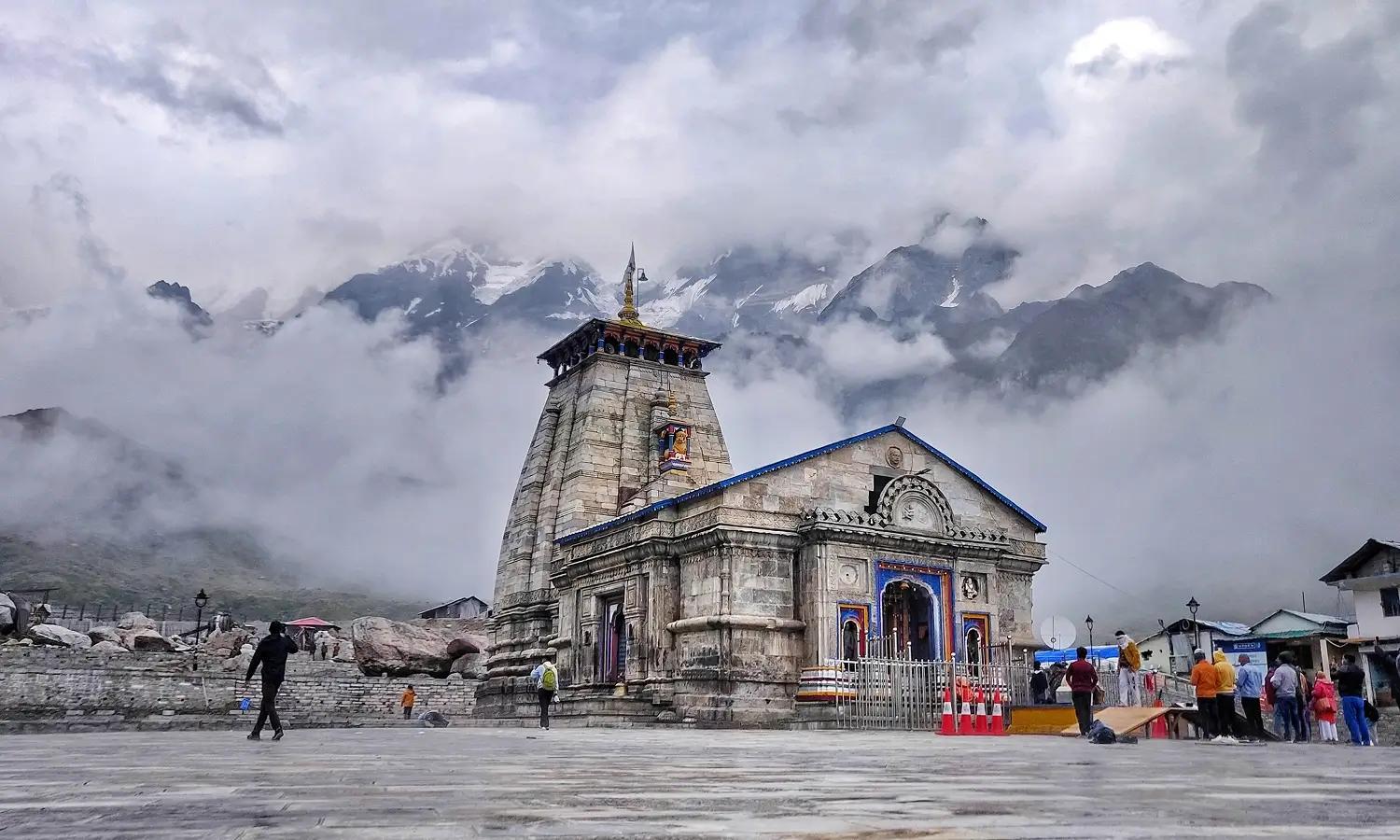
Kedarnath is one of the most important Shiva temples in India and holds a special place among the 12 Jyotirlingas.
Situated at 3,583 meters, the temple requires a 16 km trek from Gaurikund. The journey can feel long, but the atmosphere, the chants, and the surroundings make it unforgettable.
For those planning this pilgrimage with proper support and guidance, you can check the Kedarnath Trek Package, which ensures a smoother and more organized experience.
3. Rudranath Temple – The Hidden Himalayan Shrine
Rudranath is one of the most remote temples in the Panch Kedar. Unlike Tungnath or Kedarnath, this trek demands more time and effort.
The trail takes you through dense forests, meadows, and isolated paths. It’s a journey that feels raw and untouched.
Trekkers who enjoy offbeat routes and want to explore more challenging Himalayan trails often prepare through high-altitude treks like the Rupin Pass Trek, which builds endurance and experience for such remote destinations.
4. Madhyamaheshwar Temple – Calm and Scenic
Madhyamaheshwar offers a quieter and more peaceful experience compared to Kedarnath.
The trek passes through villages, forests, and open meadows. It is moderately difficult but manageable with preparation.
If you are looking to build trekking confidence before attempting such routes, you can explore scenic Himalayan treks like the Har Ki Dun Trek, which offers a balanced mix of beauty and moderate challenge.
5. Kalpeshwar Temple – Open Throughout the Year
Kalpeshwar is the only Panch Kedar temple that remains open all year. It is located at a lower altitude and requires a short, easy trek.
The temple is inside a cave, giving it a unique feel. It’s ideal for those who want a spiritual experience without long trekking days.
For beginners who want to explore similar easy-to-moderate Himalayan experiences, treks like the Sar Pass Trek or the Pangarchulla Peak Trek can be great options to start with.
Why These Temples Feel Different
These temples are not just places you visit. They are places you reach after effort.
You walk through forests, climb mountain paths, and adjust to changing weather. Somewhere along the way, the journey slows you down. You begin to notice things you usually miss.
That is what makes these temples special. It’s not just the destination, but the path that leads to it.
Best Time to Visit
May to June: Pleasant weather, best for most travelers
July to August: Monsoon season, landslides possible
September to October: Clear skies, great mountain views
Winter: Snowfall, limited access (except Kalpeshwar)
Travel Tips You Should Know
Start preparing for your fitness in advance
Carry proper trekking gear
Dress in layers for changing weather
Stay hydrated and take breaks
Avoid rushing at high altitude
If you are new to trekking, going with a guided group always makes the journey easier and safer.
FAQs – Highest Shiva Temples in Uttarakhand
1. Which is the highest Shiva temple in Uttarakhand?
Tungnath Temple is the highest Shiva temple not just in Uttarakhand, but in the world. It is located at an altitude of around 3,680 meters and is part of the Panch Kedar circuit. The trek to Tungnath is short and beginner-friendly, which makes it one of the most visited high-altitude temples.
2. Do I need to trek to visit these temples?
Yes, most of these temples require trekking. Kedarnath involves a long trek of around 16 km, while Tungnath is much shorter at about 3.5 km. Temples like Rudranath and Madhyamaheshwar require multi-day treks, whereas Kalpeshwar has a short and easy trail.
3. Which Shiva temple trek is best for beginners?
Tungnath is the best option for beginners. The trail is well-defined, not too steep, and can be completed in a few hours. It also offers beautiful views and the chance to visit the Chandrashila summit, making it a complete experience for first-time trekkers.
4. What is the best time to visit these temples?
The ideal time is between May and June, and September to October. During these months, the weather is stable, and the views are clear. The monsoon season should be avoided due to landslides, and most temples remain closed in winter because of heavy snowfall.
5. Are these temples open throughout the year?
No, most high-altitude temples like Kedarnath, Tungnath, and Rudranath remain closed during winter. Kalpeshwar is the only temple among the Panch Kedar that stays open throughout the year, as it is located at a lower altitude.
6. How difficult are these temple treks?
The difficulty varies from easy to challenging. Tungnath is easy, Kedarnath and Madhyamaheshwar are moderate, while Rudranath is considered difficult due to its long and remote trekking routes. Your experience will depend on fitness, weather, and preparation.
7. Is it safe to visit these temples without a guide?
Some treks, like Tungnath, can be done without a guide, as the route is clear. However, for longer and remote treks like Rudranath or Madhyamaheshwar, it is safer to go with an experienced guide or a trekking group.
8. What should I carry for these temple treks?
You should carry:
Good trekking shoes
Warm clothes (even in summer)
Water and energy snacks
Basic medicines
Rain protection
Packing light but smart makes the journey more comfortable.
9. Can I cover all Panch Kedar temples in one trip?
Yes, but it requires proper planning and time. Covering all Panch Kedar temples usually takes around 10–14 days, depending on your pace and route. It is recommended to plan this journey with proper guidance.
10. Why are these temples located at such high altitudes?
According to beliefs, these temples were established in remote Himalayan regions to create a deeper connection with nature and spirituality. The effort required to reach them is seen as a form of devotion, which adds meaning to the journey.