12 April 2026
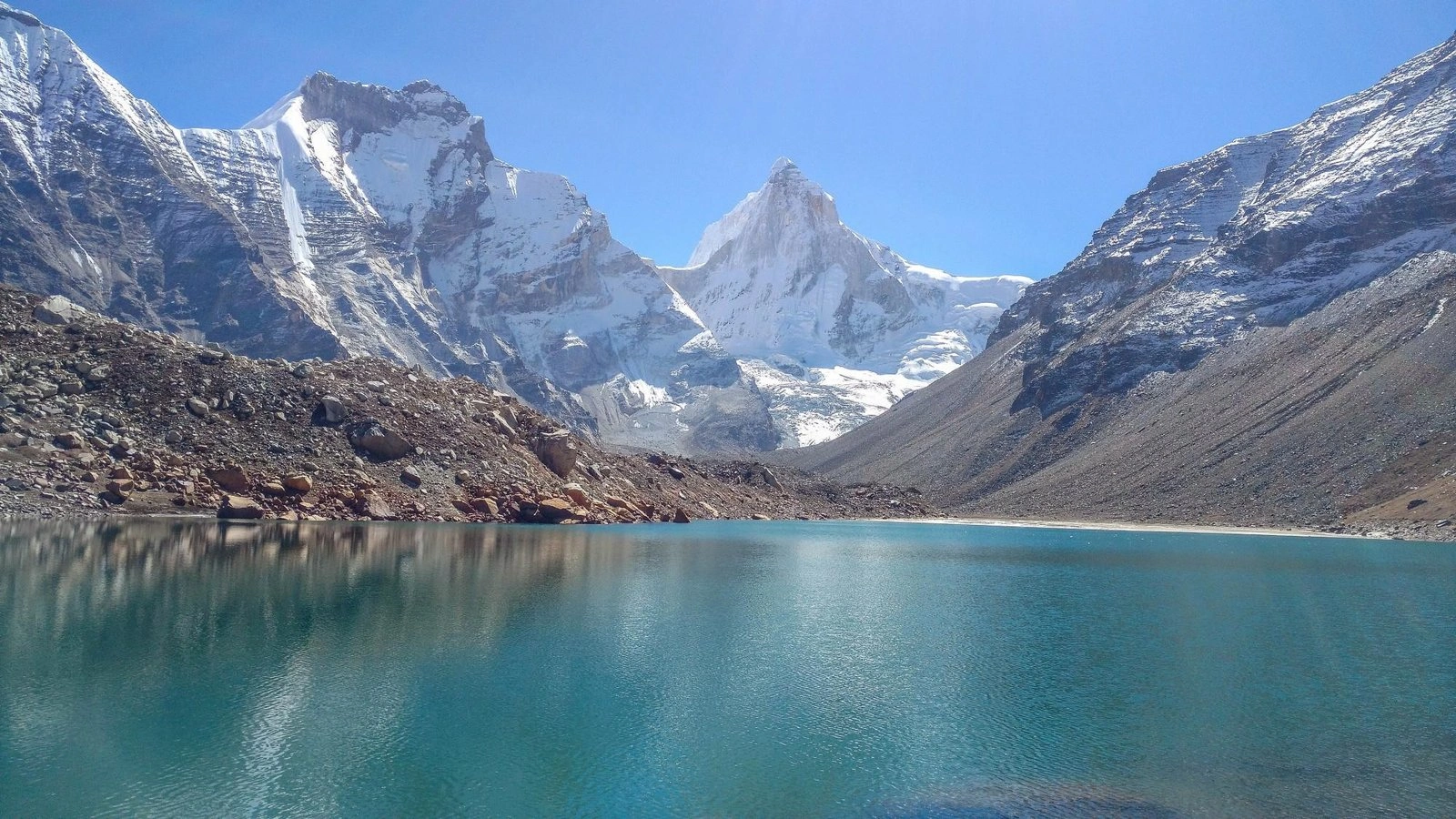
The altitude sickness Kedartal trek is one of the most important concerns for trekkers heading into high mountains. Kedartal sits at around 15,500 ft, where oxygen levels are significantly lower than what your body is used to.
If you’re wondering how to prevent altitude sickness on Kedartal trek, the answer lies in proper acclimatization, pacing, and awareness.
In this guide, we’ll cover everything from symptoms to prevention and safety so you can trek confidently.
We, at Himalayan Dare Devils, always emphasize that a safe trek is a successful trek.
What Is Altitude Sickness?
Altitude sickness, also known as Acute Mountain Sickness (AMS), happens when your body struggles to adjust to lower oxygen levels at high altitude.
The Kedartal trek altitude sickness symptoms can appear even in fit trekkers if proper care is not taken.
This is why high altitude sickness prevention tips are essential for every trekker.
Kedartal Trek Altitude and Risk Level
The Kedartal Trek reaches high altitude quickly, which increases the risk of AMS.
Starting point: Gangotri (~10,000 ft)
Kedartal: ~15,500 ft
This rapid gain makes AMS prevention Kedartal trek extremely important, especially for beginners.
Kedartal Trek Altitude Sickness Symptoms
Recognizing symptoms early is key. Common Kedartal trek altitude sickness symptoms include:
Headache
Nausea or vomiting
Loss of appetite
Dizziness
Difficulty sleeping
If ignored, these symptoms can worsen. That’s why knowing what to do if you get altitude sickness on Kedartal trek is critical.
Best Acclimatization Practices for Kedartal Trek
A proper Kedartal trek acclimatization guide is your strongest defense against AMS.
Here are the best acclimatization practices for Kedartal trek:
Spend a day at Gangotri before starting
Ascend slowly and steadily
Take short breaks during climbs
Stay hydrated
These simple steps form the foundation of Kedartal trek acclimatization tips.
How to Avoid AMS in Himalayas
If you’re thinking about how to avoid AMS in Himalayas, follow these proven tips:
Walk at a slow pace
Avoid overexertion
Drink plenty of water
Eat light and nutritious meals
These are practical tips to avoid AMS during high altitude trekking in India.
Prevent Altitude Sickness Trekking – Key Rules
To prevent altitude sickness trekking, remember these golden rules:
“Climb high, sleep low” when possible
Never ignore symptoms
Don’t rush to reach camps early
Listen to your body
These are essential Kedartal trek safety tips that every trekker should follow.
Medicines for Altitude Sickness Trekking
Some trekkers consider medicines for altitude sickness trekking like Diamox.
However:
Always consult a doctor before use
Do not rely only on medication
Focus on acclimatization first
Medication can help, but it should not replace proper preparation.
How to Prepare for High Altitude Sickness Before Trekking
Preparation starts before you even reach the mountains.
Here’s how to prepare for high altitude sickness before trekking:
Build stamina through cardio exercises
Practice long walks
Stay hydrated regularly
Avoid smoking and alcohol
These steps improve your overall Kedartal trek health tips readiness.
What to Do If You Get Altitude Sickness on Kedartal Trek
If symptoms appear, act immediately.
Here’s what to do if you get altitude sickness on Kedartal trek:
Stop ascending
Inform your trek leader
Rest and hydrate
Descend if symptoms worsen
Ignoring symptoms can be dangerous. Quick action is the safest approach.
Kedartal Trek Safety Tips
Here are some important Kedartal trek safety tips:
Trek with experienced guides
Stay with your group
Keep emergency contacts ready
Carry basic medical supplies
At Himalayan Dare Devils, we always prioritize safety and proper acclimatization for every trekker.
Choosing the Right Time for Better Acclimatization
Weather also affects your body’s ability to adjust.
For better planning, you can explore:Kedartal Trek Best Time: Month-by-Month Weather, Snow Conditions & Difficulty Explained
Choosing the right season helps reduce risks related to altitude and weather.
Comparing Kedartal with Other Treks
If you’re unsure about difficulty and safety, you can compare: Kedartal Trek vs Kashmir Great Lakes Trek: Difficulty, Altitude, Best Time & Scenery Compared
This helps you understand how Kedartal stands in terms of altitude challenges.
Final Thoughts
The altitude sickness Kedartal trek is a serious concern, but it can be managed with the right approach. Preparation, patience, and awareness are your best tools.
If you follow proper Kedartal trek acclimatization tips and stay alert to your body’s signals, you can enjoy this trek safely.
The mountains are beautiful, but they demand respect always trek responsibly.
FAQs
1. What Is Altitude Sickness On Kedartal Trek?
It is a condition caused by low oxygen levels at high altitude.
2. How To Prevent Altitude Sickness On Kedartal Trek?
Acclimatize properly, stay hydrated, and avoid overexertion.
3. What Are The Symptoms Of AMS?
Headache, nausea, dizziness, and fatigue.
4. Is Kedartal Trek Risky For Beginners?
Yes, due to high altitude and steep climbs.
5. Can Medicines Help With Altitude Sickness?
Yes, but only with medical advice.
6. What Should I Do If I Feel AMS Symptoms?
Stop, rest, and descend if needed.
7. Is Acclimatization Necessary?
Yes, it is essential for safety.