01 May 2026
Planning the Tungnath trek sounds exciting… until you hit the most confusing question:
“When should I actually go?”
Some people say summer is best.
Others swear by winter because of the snow.
And then some recommend autumn for clear views.
The truth is - there’s no single perfect time for everyone.
The Tungnath trek changes completely with the seasons. The same trail can feel easy and green in May, or challenging and magical in January. So instead of giving you a generic answer, let’s break it down properly so you can choose what actually suits you.
And if you’re still figuring out the route, distance, or difficulty, it’s always better to quickly go through a detailed Tungnath trek guide before deciding your travel dates.
Understanding Tungnath Trek Weather
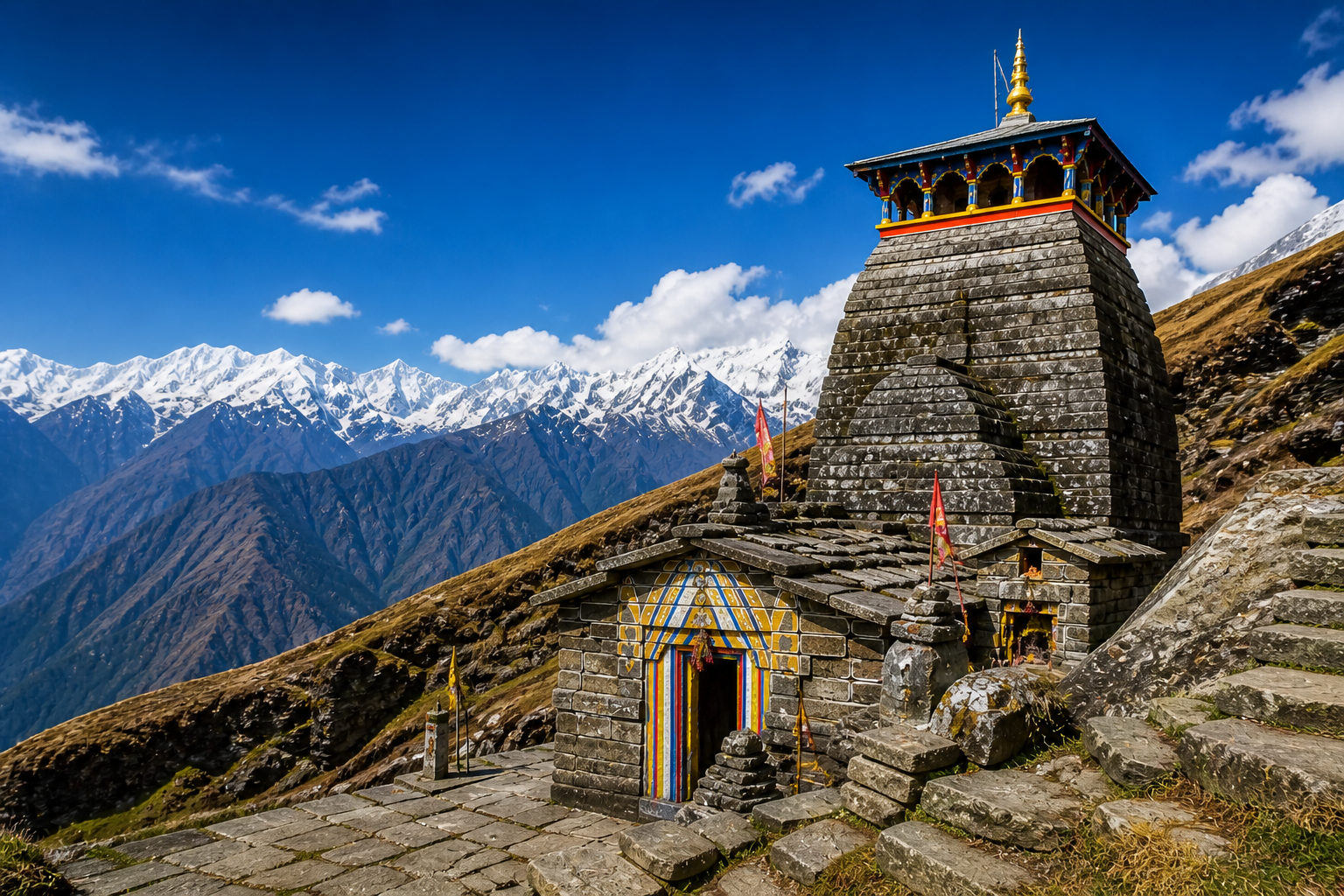
Tungnath sits at an altitude of around 3,680 meters, which means weather plays a big role here.
Even in summer, mornings and evenings can feel cold. In winter, the entire trail gets covered in snow. And during the monsoon, things can get unpredictable.
So yes, timing matters - not just for comfort, but for safety and overall experience.
Best Time to Visit Tungnath Trek (Quick Answer)
If you’re looking for a straight answer:
Best overall time: April to June
Best for snow experience: December to February
Best for clear mountain views: September to November
Now let’s go deeper into each season so you can decide what actually works for you.
Summer (April to June) – The Most Comfortable Time
If this is your first Himalayan trek, summer is your safest bet.
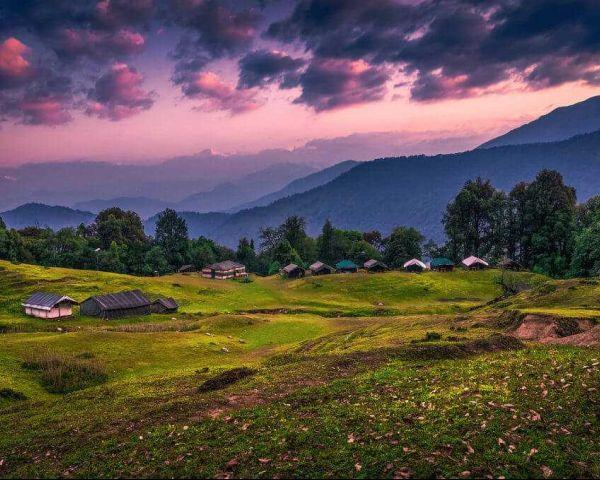
The snow starts melting, the trail opens up, and the entire region turns green. The weather stays pleasant during the day, and while nights are a bit cold, they’re manageable.
What makes summer special is how easy everything feels.
The trail is clearly visible. You don’t need special gear. And even if you’re not very experienced, you can still enjoy the trek without stress.
This is also the time when most beginners plan their trip. If you’re one of them, going through a proper Tungnath trek itinerary beforehand can make your experience much smoother.
Best for
First-time trekkers
Families
Easy and relaxed travel
Monsoon (July to August) – Beautiful but Risky
Monsoon changes the entire landscape.
Everything turns lush green. The forests look alive. The air feels fresh.
But here’s the catch - it’s not the safest time to trek.
The trails can get slippery, and there’s always a risk of landslides in the region. Visibility also drops because of fog and clouds.
So while Chopta and Tungnath look incredibly beautiful during monsoon, it’s not the ideal time unless you’re okay with a bit of uncertainty.
If you’re planning a longer Himalayan trip around this time, many travelers prefer safer valley treks like the Har Ki Dun trek, which is known for its greenery and relatively safer routes.
Best for
Nature lovers (with caution)
Experienced travelers
Autumn (September to November) – Best for Clear Views
This is honestly one of the most underrated times to visit Tungnath.
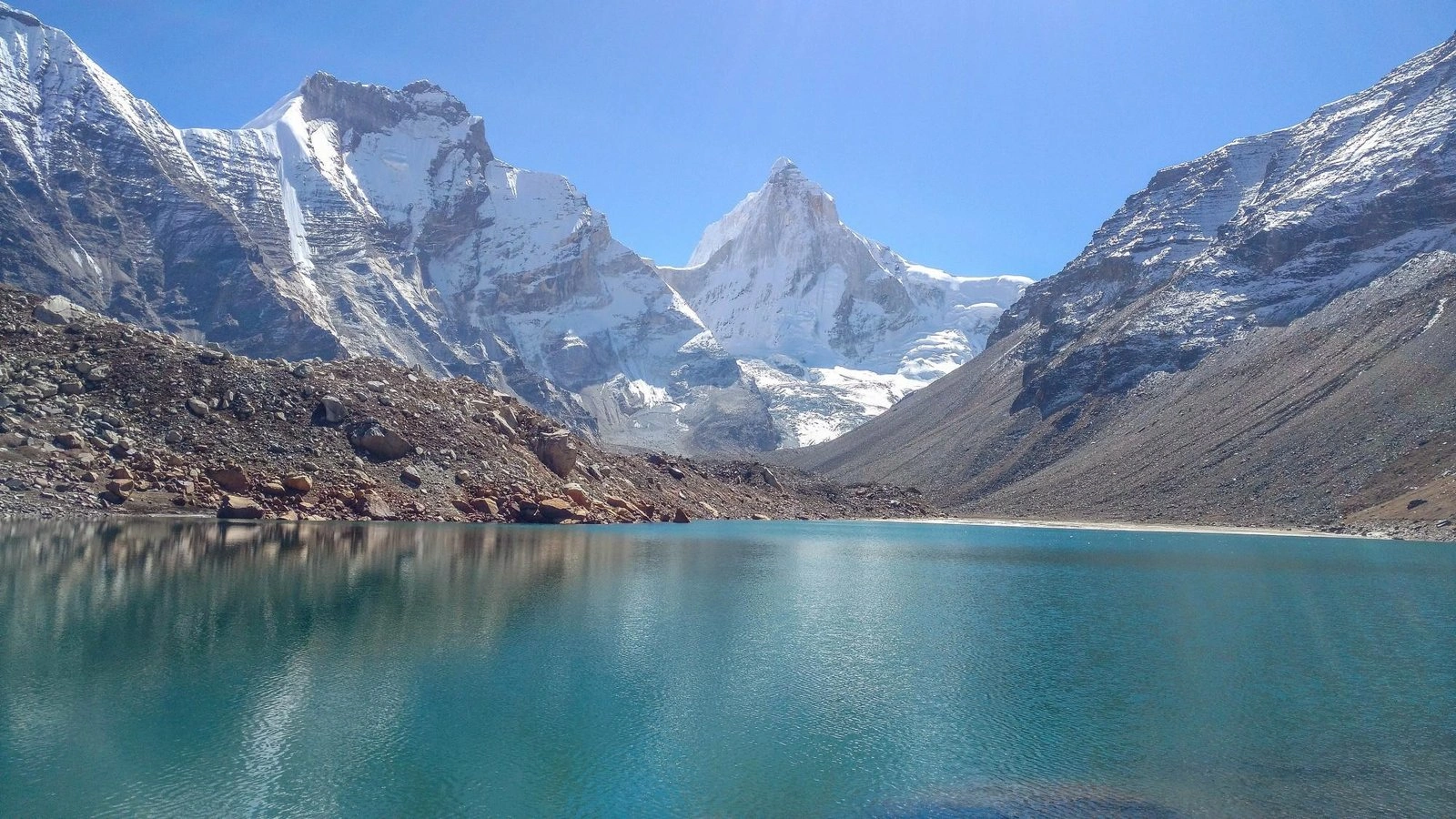
The monsoon clears out the dust and pollution, leaving behind crystal-clear skies. The views of peaks like Chaukhamba and Nanda Devi become sharp and breathtaking.
The weather is stable. The trails are dry. And the crowd is less compared to summer.
If you enjoy photography or just want to see the Himalayas in their clearest form, this is the time to go.
Many trekkers who fall in love with the Himalayas during this season often move on to more scenic routes like the Rupin Pass trek, known for its dramatic landscapes.
Best for
Photographers
Peaceful travel
Clear mountain views
Winter (December to February) – Snow Trek Experience
Now this is where Tungnath becomes something else entirely.
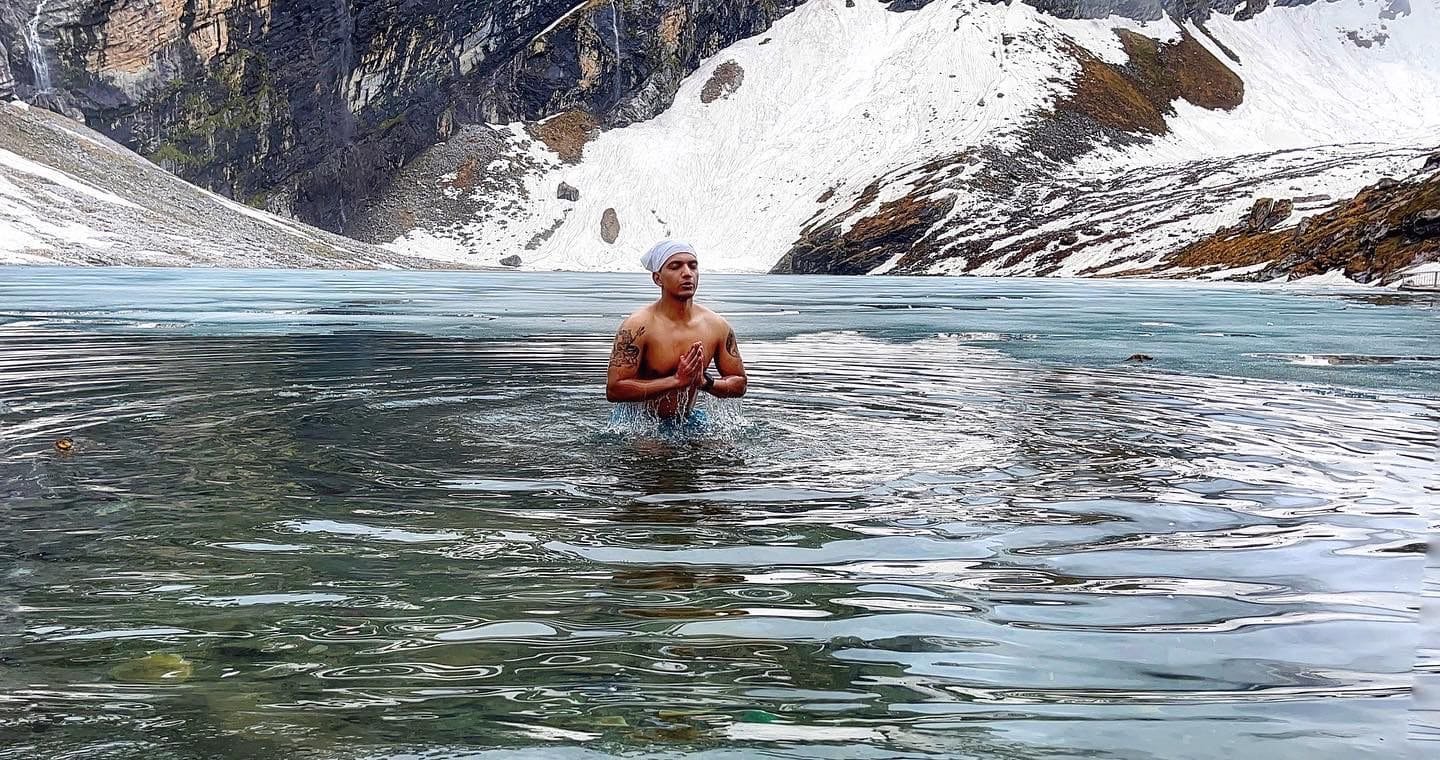
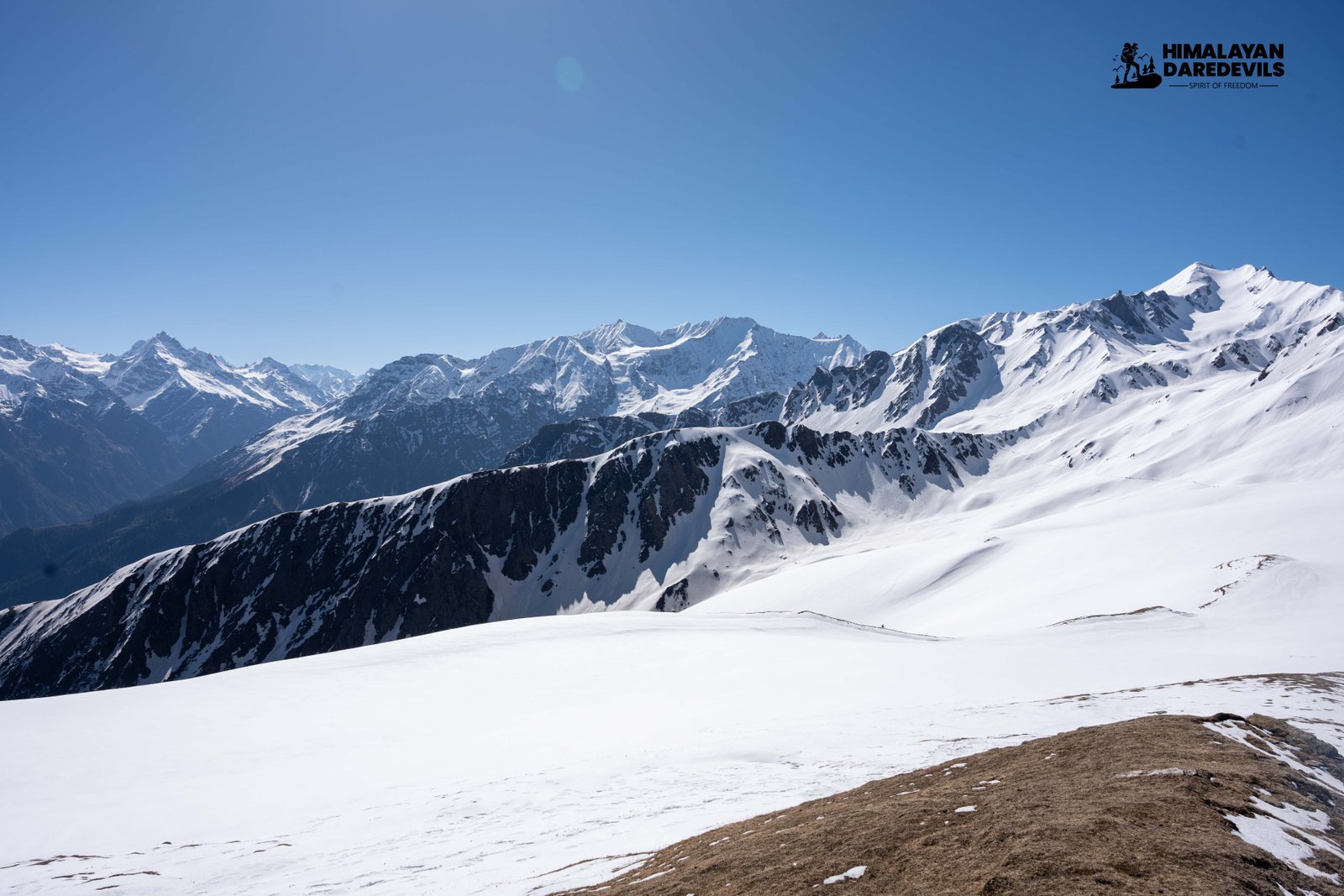
The entire trail gets covered in snow. Trees, paths, camps - everything turns white. It’s quiet, cold, and incredibly beautiful.
But let’s be clear - winter trekking is not as easy as summer.
Walking on snow requires more effort. The cold can be intense. And you need proper clothing and preparation.
That said, if you’ve always wanted to experience a snow trek without going into extremely difficult terrain, Tungnath is one of the best places to start.
Many trekkers who try winter trekking here eventually move on to slightly tougher snow climbs like the Pangarchulla Peak trek, which is known for its winter summit experience.
Best for
Snow lovers
Adventure seekers
Unique trekking experience
Tungnath Trek in Snow – Is It Worth It?
Short answer: Yes, but only if you’re prepared.
There’s something special about walking through fresh snow with mountains all around you. It feels quiet and almost unreal.
But you need to be ready for:
Cold temperatures
Slower trekking pace
Basic winter gear
If you’re expecting a casual walk, winter might surprise you.
Best Time Based on Your Travel Style
Instead of overthinking seasons, match your travel style with the right time:
Beginner? Go in the summer
Love snow? Choose winter
Want clear views? Pick autumn
Traveling on a budget? Early monsoon or late season
This way, you’re not just following a “best time” - you’re choosing what suits you.
When You Should Avoid Tungnath Trek
There are a few situations where it’s better to postpone your trip:
Peak monsoon (heavy rainfall and landslides)
Extreme winter without proper gear
Sudden weather warnings
The mountains will always be there. It’s better to go prepared than rush into a risky situation.
What to Carry Based on Season
Packing smart makes a big difference.
For summer
Light woolens
Comfortable trekking shoes
For winter
Heavy jackets
Gloves, thermals
Waterproof shoes
For monsoon
Raincoat
Extra socks
Waterproof bags
No matter the season, always carry basics like water, snacks, and a small medical kit.
Combining Tungnath Trek with Other Experiences
One of the best things about Tungnath is its location.
You can easily combine it with other experiences to make your trip more meaningful.
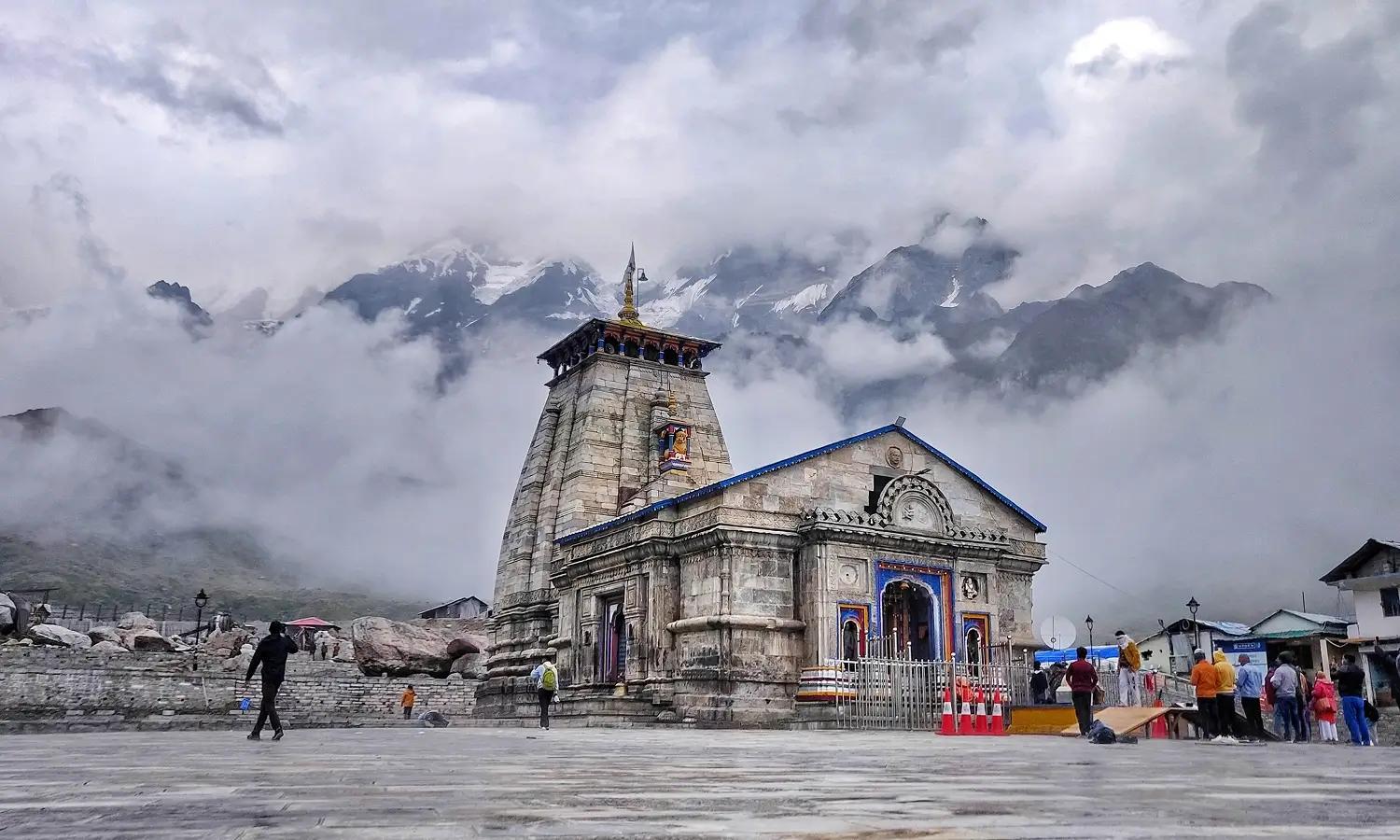
Many travelers pair it with the Kedarnath trek, creating a mix of spirituality and adventure in one journey.
If trekking is your main focus, Tungnath can act as a starting point. After completing it, you might feel confident enough to explore longer treks like the Sar Pass trek or even more challenging Himalayan routes.
That’s how it usually starts - one simple trek, and then you’re hooked.
Final Thoughts – Choosing the Right Time for Your Tungnath Trek
If you’re still confused, don’t overthink it too much.
The best time for the Tungnath trek really depends on what kind of experience you want to take back home.
If you want an easy, relaxed journey where you can just enjoy the views without worrying about the weather or difficulty, summer is the safest choice. The trail is clear, the weather is friendly, and everything feels simple.
If snow is what excites you, then winter will give you that postcard-like experience. Just keep in mind, it’s not as easy as it looks. A little preparation goes a long way here.
And if you’re someone who enjoys calm places, clear skies, and sharp mountain views without too many people around, autumn might actually be the best time for you.
At the end of the day, Tungnath isn’t about finding the “perfect month.” It’s about experiencing the mountains in a way that feels right to you.
Whenever you decide to go, make sure you’re well prepared. If you haven’t already planned your route, stay options, or trek details, going through a proper Tungnath trek guide once can save you from a lot of last-minute confusion.
FAQs – Best Time for Tungnath Trek
1. What is the best month to visit Tungnath trek?
May and June are considered the best months for most travelers. The weather is stable, the trail is open, and you don’t need any special gear to complete the trek comfortably.
2. When can I see snow in Tungnath?
You can experience snow from December to February. January usually has the most snowfall, making it ideal if you specifically want a snow trek experience.
3. Is Tungnath trek safe during monsoon?
It’s not the safest time. While the surroundings look beautiful, trails can get slippery and there’s always a risk of landslides. It’s better to avoid peak monsoon if safety is your priority.
4. Can beginners do the Tungnath trek in winter?
Beginners can try, but only with proper preparation. Snow trekking requires better fitness, good shoes, and warm clothing. If it’s your first trek, summer is a more comfortable option.
5. How cold does it get during the Tungnath trek?
In summer, temperatures are manageable during the day but can drop at night. In winter, it can go below zero, especially early mornings and after sunset.
6. Is Tungnath trek open throughout the year?
The route remains accessible most of the year, but during heavy snowfall, the temple may be closed and conditions can become challenging.
7. Can I combine the Tungnath trek with other trips?
Yes, many travelers combine it with spiritual journeys like the Kedarnath trek or explore longer Himalayan treks once they gain confidence.