28 January 2026
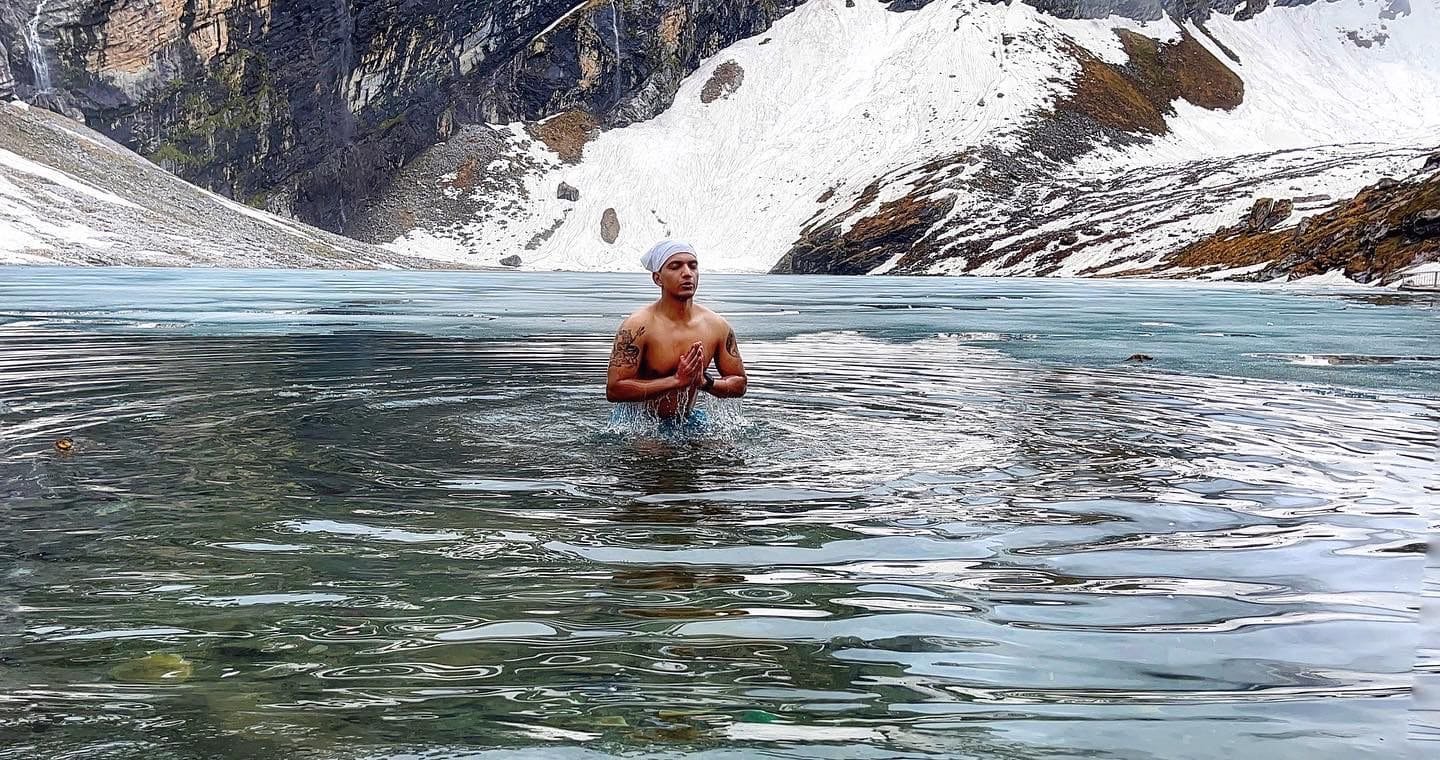
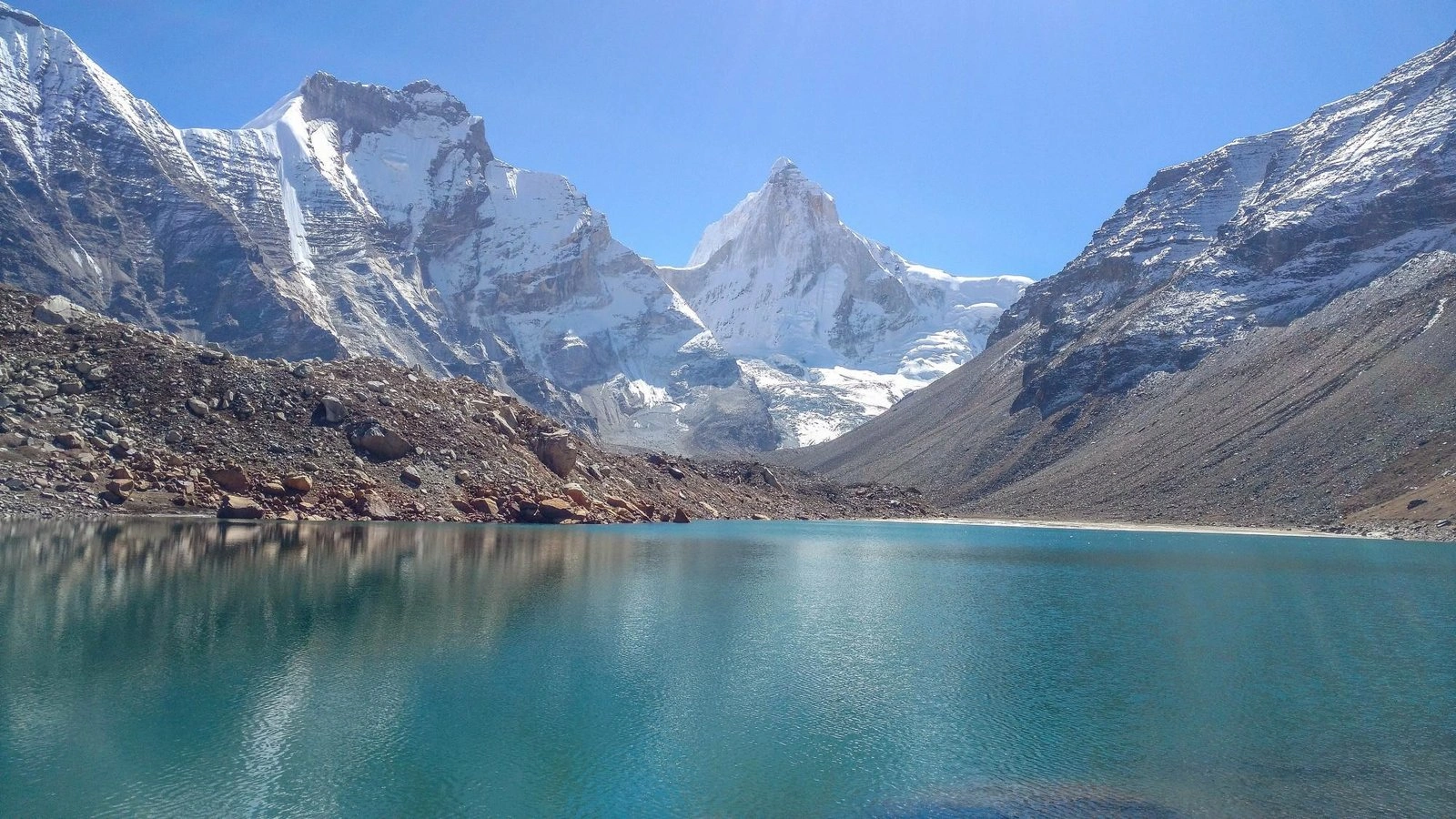
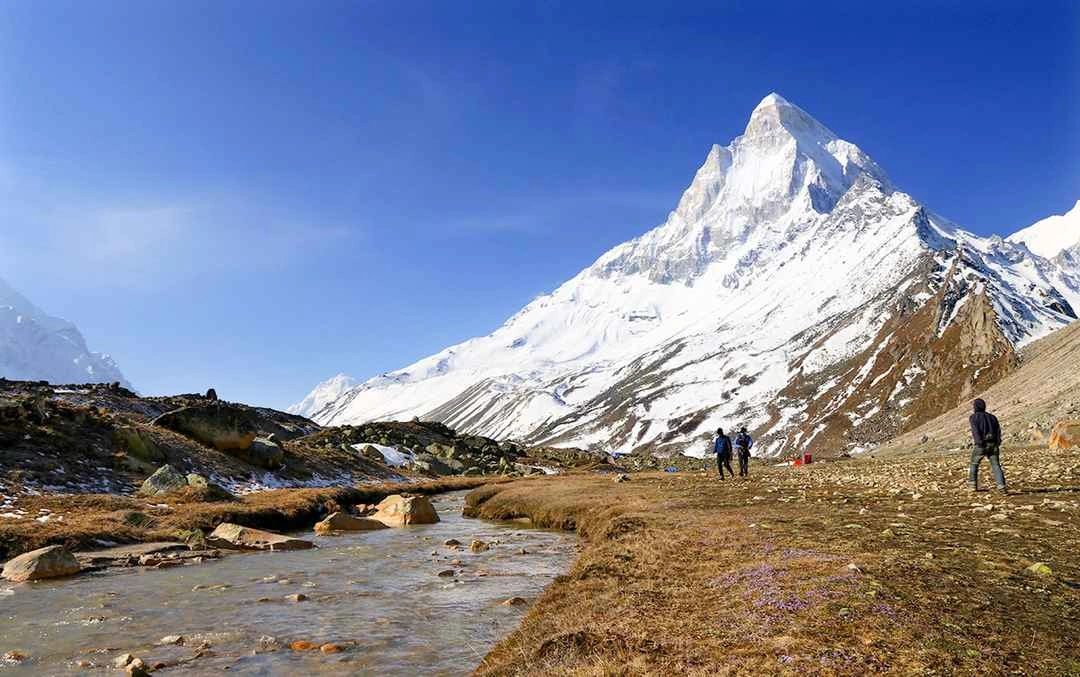
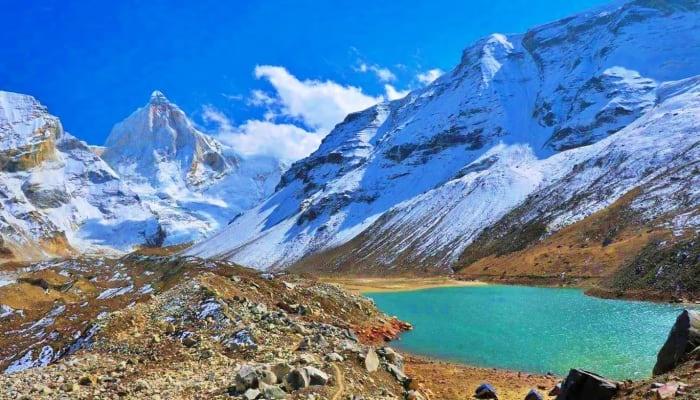
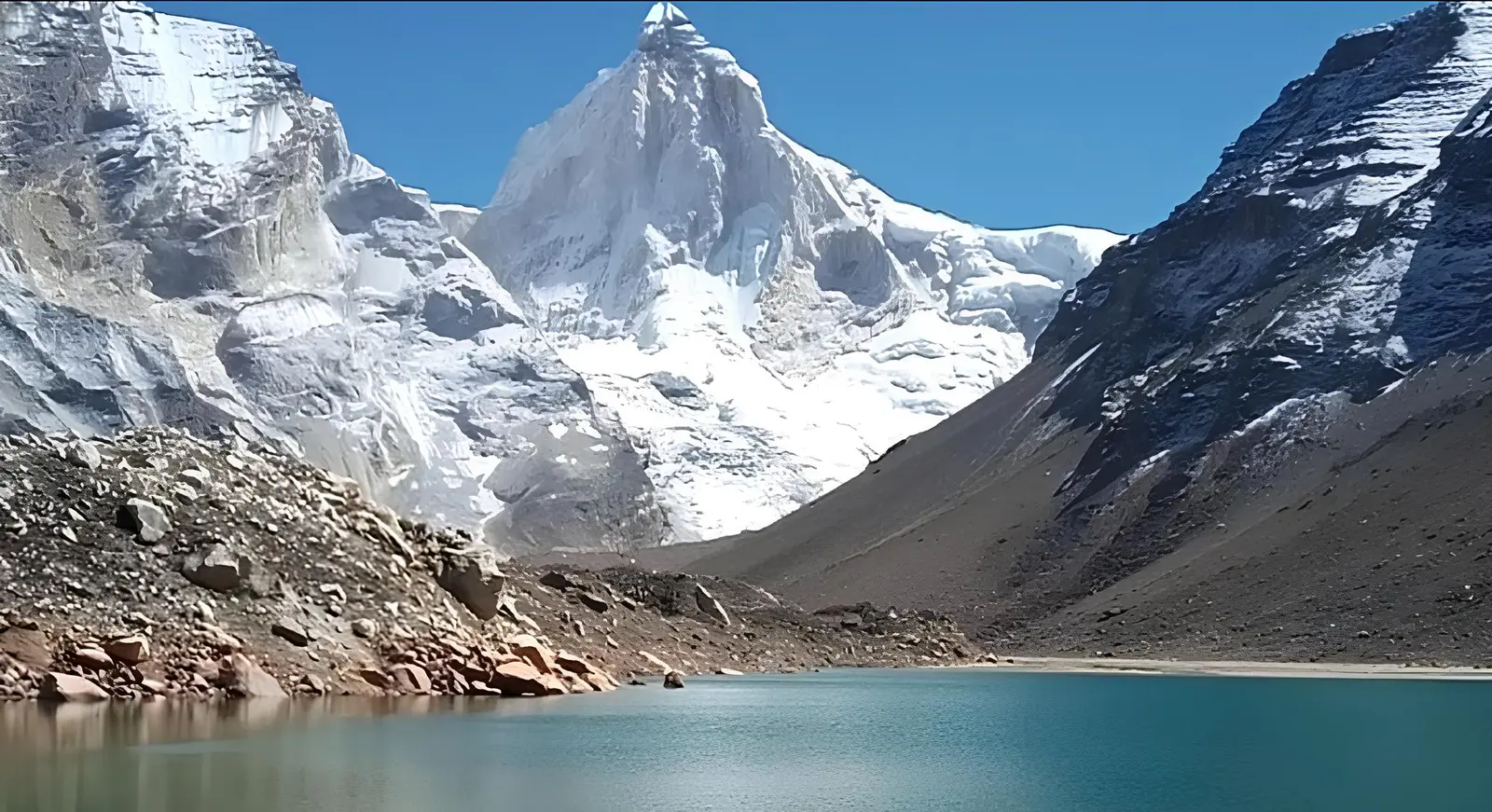
The Kedartal Trek is one of the most demanding high-altitude treks in Uttarakhand, known for its raw terrain, glacial trails, and the stunning emerald waters of Kedartal Lake. Situated above Gangotri at an altitude of around 4,750 meters, this trek is not about comfort or easy walking, it is about timing, preparation, and respect for the mountains.
Choosing the best time for Kedartal Trek is critical. Unlike beginner-friendly Himalayan routes, Kedartal is accessible only for a limited part of the year, and attempting it in the wrong season can be unsafe.
Best Time to Do Kedartal Trek (Quick Overview)
The best time to do the Kedartal Trek is:
Mid-May to June
Mid-September to early October
These short windows offer the most stable weather, manageable snow conditions, and safer trail access.
Kedartal Trek in Summer (May to June)
Summer is widely considered the best season for Kedartal Trek, especially for experienced trekkers looking for snow-covered landscapes without extreme weather risks.
Weather & Trail Conditions
Day temperature: 5°C to 12°C
Night temperature: -2°C to -6°C
Snow is present on higher sections but manageable with microspikes
During May, the trail still holds snow patches, especially after Bhoj Kharak. By June, most of the route becomes clearer, though glacier crossings remain challenging.
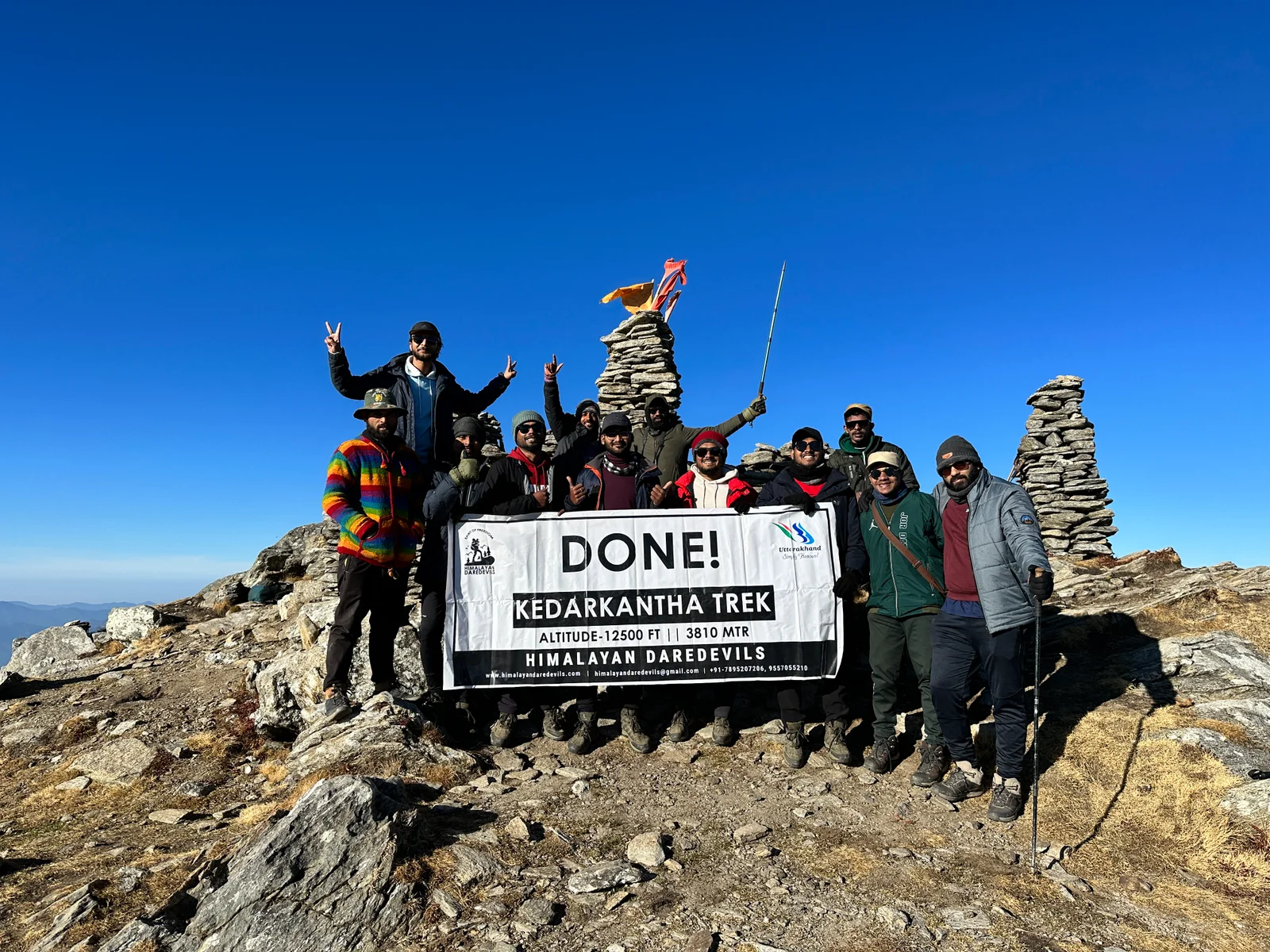
Compared to easier summer treks like Kedarkantha Trek, Kedartal demands strong endurance and prior high-altitude experience due to continuous ascents and rocky terrain.
Why Summer Works Best
Stable weather windows
Clear mountain views
Safe river crossings
Ideal snow-to-rock balance for experienced trekkers
Kedartal Trek During Monsoon (July to August)
Monsoon is not recommended for the Kedartal Trek.
Why Monsoon Is Risky
Heavy rainfall in the Gangotri region
High risk of landslides
Slippery boulder sections
Unstable glacial streams
Most trek operators completely stop Kedartal departures during this time. Instead, monsoon-safe routes like Valley of Flowers Trek are preferred, where trails are well-defined and rainfall adds to the natural beauty rather than danger.
Kedartal Trek in Autumn (September to October)
Autumn is the second-best time for Kedartal Trek, especially for trekkers who prefer clear skies over snow-heavy trails.
Weather & Landscape
Day temperature: 4°C to 10°C
Night temperature: -5°C to -10°C
Minimal snow, mostly dry and rocky trails
September offers excellent visibility, while October brings colder nights and occasional fresh snowfall. Trekkers who have prior experience on demanding routes like Gaumukh Tapovan Trek usually find autumn Kedartal challenging but manageable.
Why Autumn Is Ideal
Crisp mountain views
Less crowd
Stable weather
Drier trail conditions
Kedartal Trek in Winter (November to April)
The Kedartal Trek remains completely closed in winter.
Reasons for Closure
Heavy snowfall blocks access routes
Temperatures drop below -15°C
Avalanche-prone zones
No rescue infrastructure
Unlike winter-friendly snow treks, Kedartal is not suitable for cold-season expeditions due to its exposed terrain and technical nature.
Month-by-Month Breakdown (Quick Guide)
Snow Conditions on Kedartal Trek
Snow on Kedartal is not recreational—it is technical.
May–early June: Snowfields and icy patches
Late June: Partial snow, exposed rocks
September: Almost snow-free
October: Fresh snowfall possible
Trekkers who have completed high-altitude routes like Bali Pass Trek will better understand how snow behaves on steep Himalayan terrain.
Final Verdict: When Should You Plan Kedartal Trek?
If you are planning Kedartal, timing matters more than anything else.
Choose May or June for snow and adventure
Choose September for clarity and stability
Avoid monsoon and winter entirely
Kedartal is not a trek to experiment with seasons. It rewards those who plan carefully and approach it with experience and respect.
For trekkers looking to attempt this route with proper acclimatization, safety planning, and local expertise, you can explore the detailed Kedartal Trek itinerary with Himalayan Daredevils, who specialize in challenging high-altitude expeditions in the Garhwal Himalayas.
Frequently Asked Questions – Kedartal Trek Best Time
Q1. What is the best time to do the Kedartal Trek?
The best time to do the Kedartal Trek is during pre-monsoon (mid-May to June) and post-monsoon (mid-September to early October). These periods offer stable weather, safe trail conditions, and clear access from Gangotri.
Q2. Is Kedartal Trek possible during monsoon?
No, the Kedartal Trek is not safe during monsoon (July and August) due to heavy rainfall, landslides, overflowing streams, and unstable boulder sections. Most trek operators suspend Kedartal departures during this time.
Q3. Which is better for Kedartal Trek: pre-monsoon or post-monsoon?
Pre-monsoon is better if you want snow and adventure, while post-monsoon is ideal for clear mountain views and drier trails. Both seasons are suitable only for experienced trekkers.
Q4. Does Kedartal Trek have snow in May and June?
Yes, during May and early June, snow is present near Kedartal Lake and higher sections of the trail. Snow conditions are manageable with proper gear and prior high-altitude trekking experience.
Q5. Is Kedartal Trek open in October?
Kedartal Trek is open in early October, but conditions become colder. Night temperatures drop sharply, and early snowfall is possible. Treks should be planned carefully and preferably earlier in the post-monsoon window.
Q6. Why is Kedartal Trek closed in winter?
Kedartal Trek remains closed from November to April due to heavy snowfall, extreme cold, avalanche-prone zones, and blocked access routes. The terrain is unsafe and rescue operations are not feasible.
Q7. Is Kedartal Trek suitable for beginners?
No, Kedartal Trek is not suitable for beginners. It involves high altitude, glacier walks, and long, strenuous trekking days. Trekkers should have prior experience on demanding Himalayan routes before attempting Kedartal.
Q8. What is the temperature during Kedartal Trek in the best season?
During the best trekking season, daytime temperatures range between 5°C to 12°C, while night temperatures can drop to -5°C to -10°C, depending on the month and weather conditions.
Q9. Which treks should I do before Kedartal Trek?
Treks like Kedarkantha Trek (for altitude exposure) and Bali Pass Trek (for snow and endurance experience) help prepare trekkers physically and mentally for Kedartal.
Q10. How important is timing for Kedartal Trek?
Timing is critical for Kedartal Trek. Attempting it outside the recommended seasons significantly increases risk due to weather instability, snow blockage, and difficult terrain.