Starting From
20,125
17,500.00
Starting From
20,125
17,500.00
Starting From
20,125
17,500.00
Gaumukh Tapovan Trek (306+ Reviews)
Round Trail. The trek starts and ends at Gangotri
Dehradun Railway Station
Jolly Grant Airport
Gangotri
May, June / September, October
Gangotri to Gangotri
Veg
Camping/ Hotel
Uttarakhand
6 Days
Moderate
14600 Ft
46 Km
Gaumukh Tapovan Trek Overview
The Gaumukh Tapovan Trek is one of the most iconic high-altitude treks in the Garhwal Himalayas of Uttarakhand, blending deep spiritual significance with breathtaking Himalayan landscapes. Starting from Gangotri Dham, the trek takes you to Gaumukh Glacier (Gomukh) - the sacred source of the holy River Ganga - and further ascends to the expansive Tapovan meadows, set against the dramatic backdrop of Mount Shivling, Bhagirathi, and Meru peaks. This trek is a perfect choice for trekkers seeking more than just adventure. Often described as a pilgrimage trek, the Gaumukh Tapovan trek offers a rare combination of devotion, raw wilderness, and high-altitude trekking challenges. Covering a demanding mountain trail and crossing glacial terrain, this trek is ideal for trekkers who want to experience the spiritual energy of Gomukh, along with the thrill of trekking in Tapovan, the Himalayas.

Scenic Beauty and Terrain
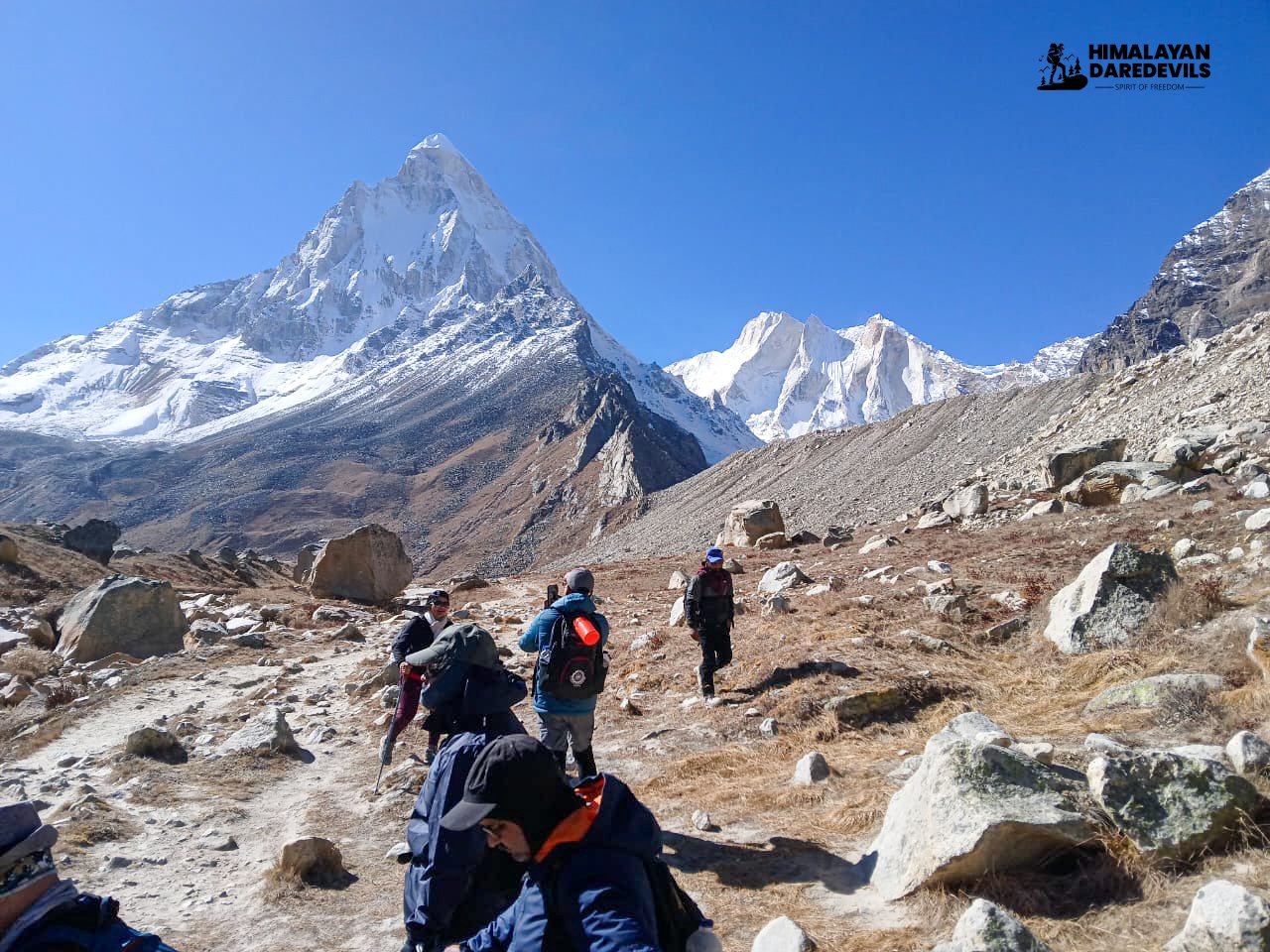
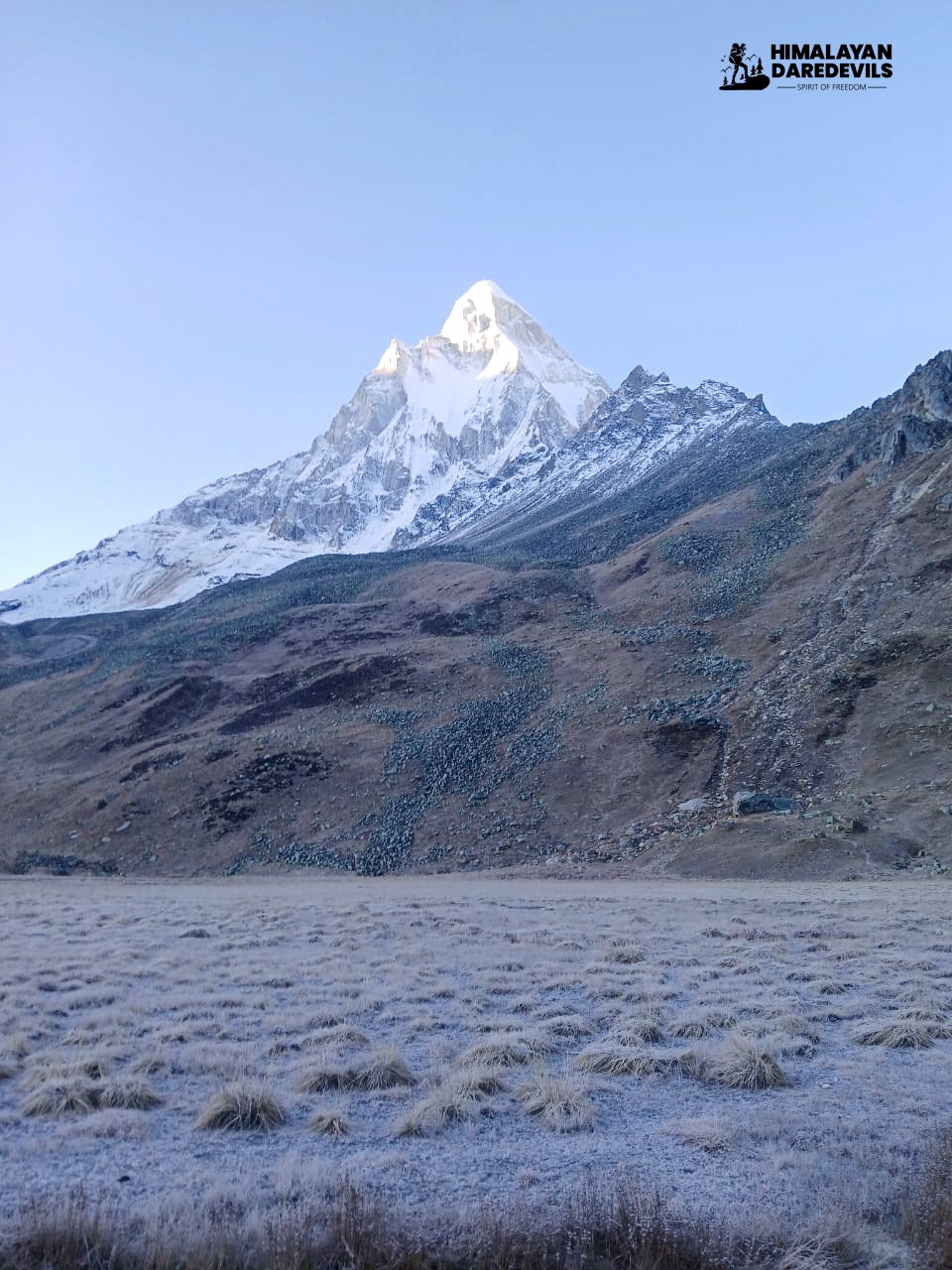
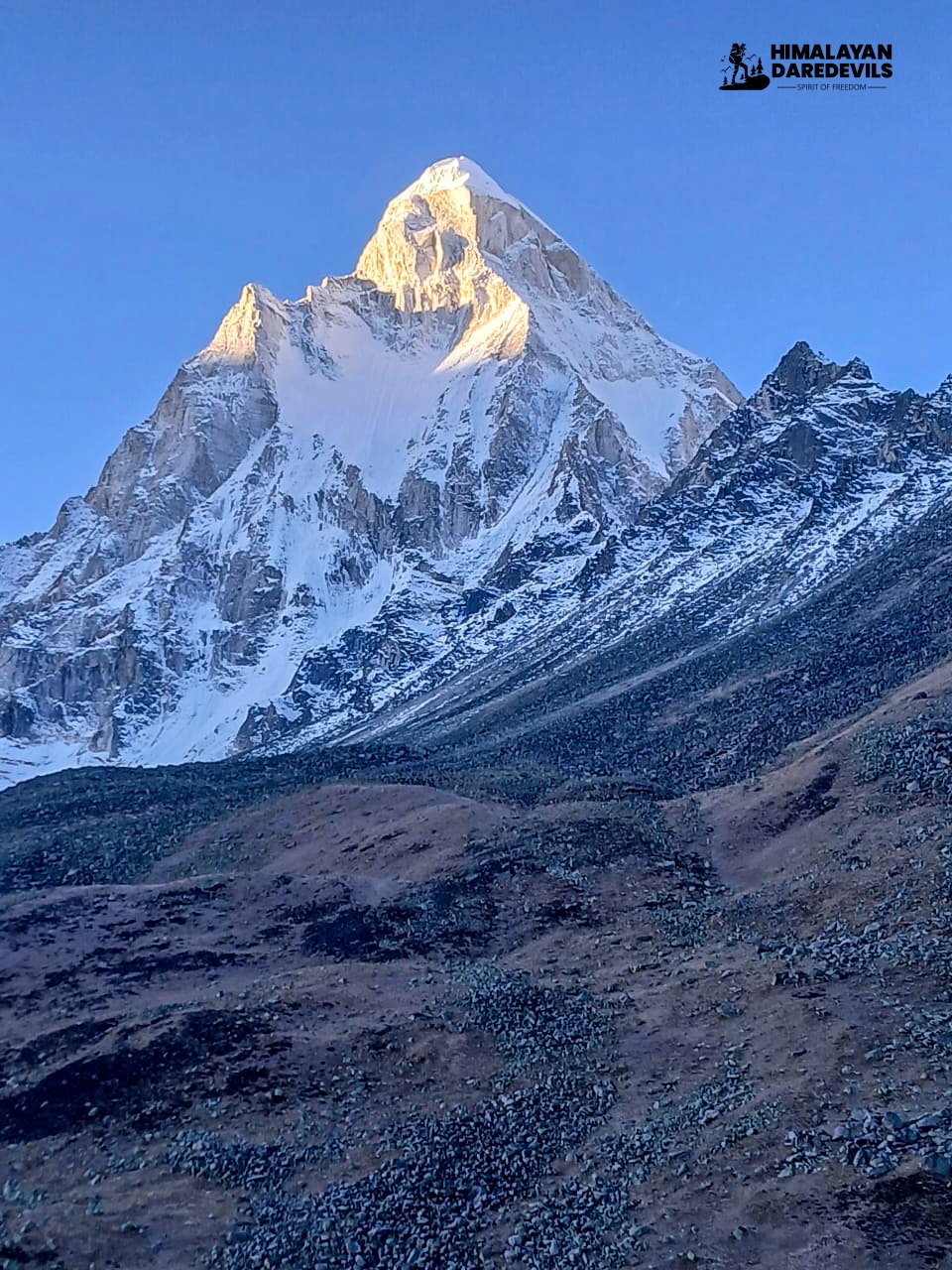
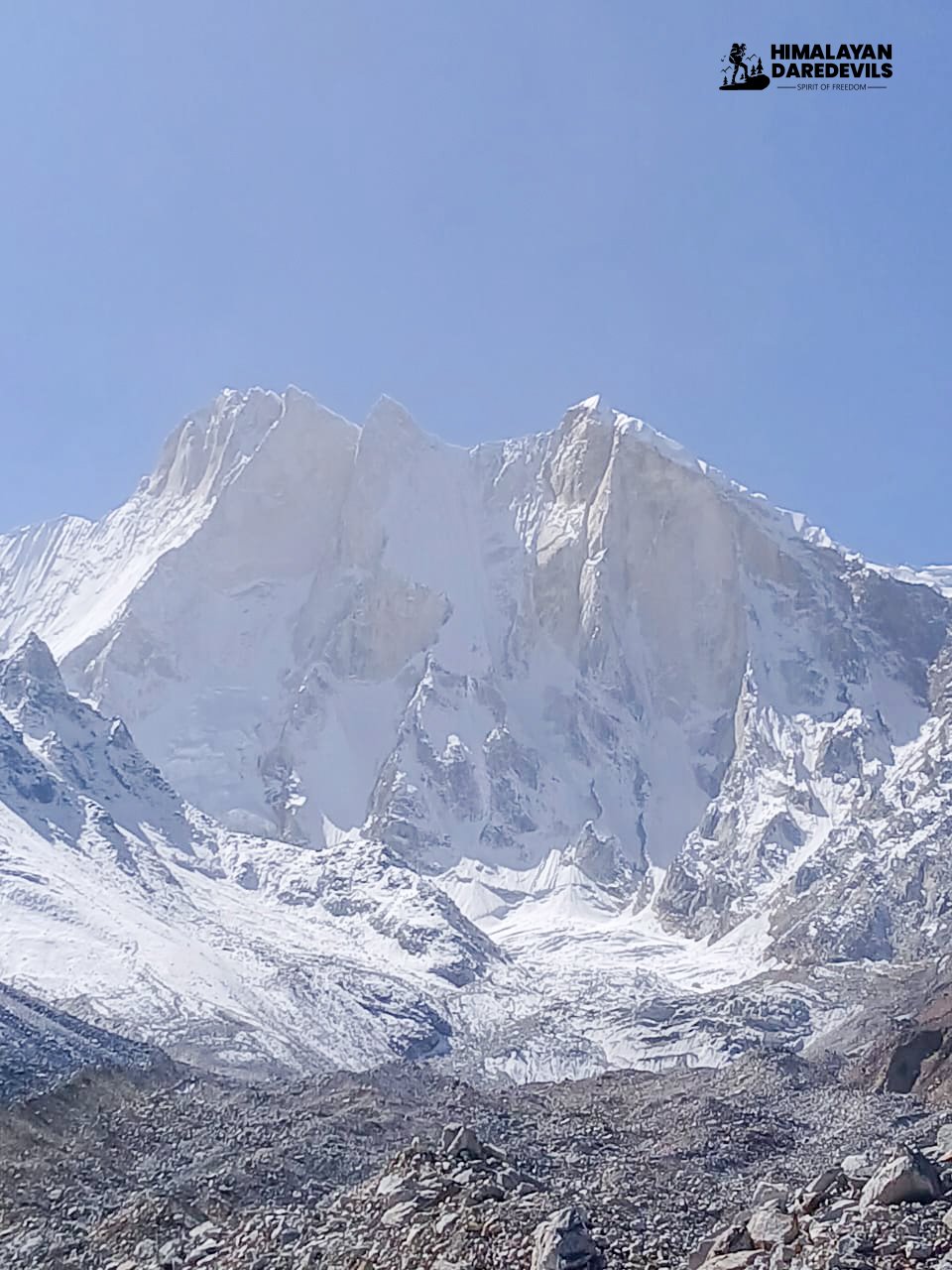
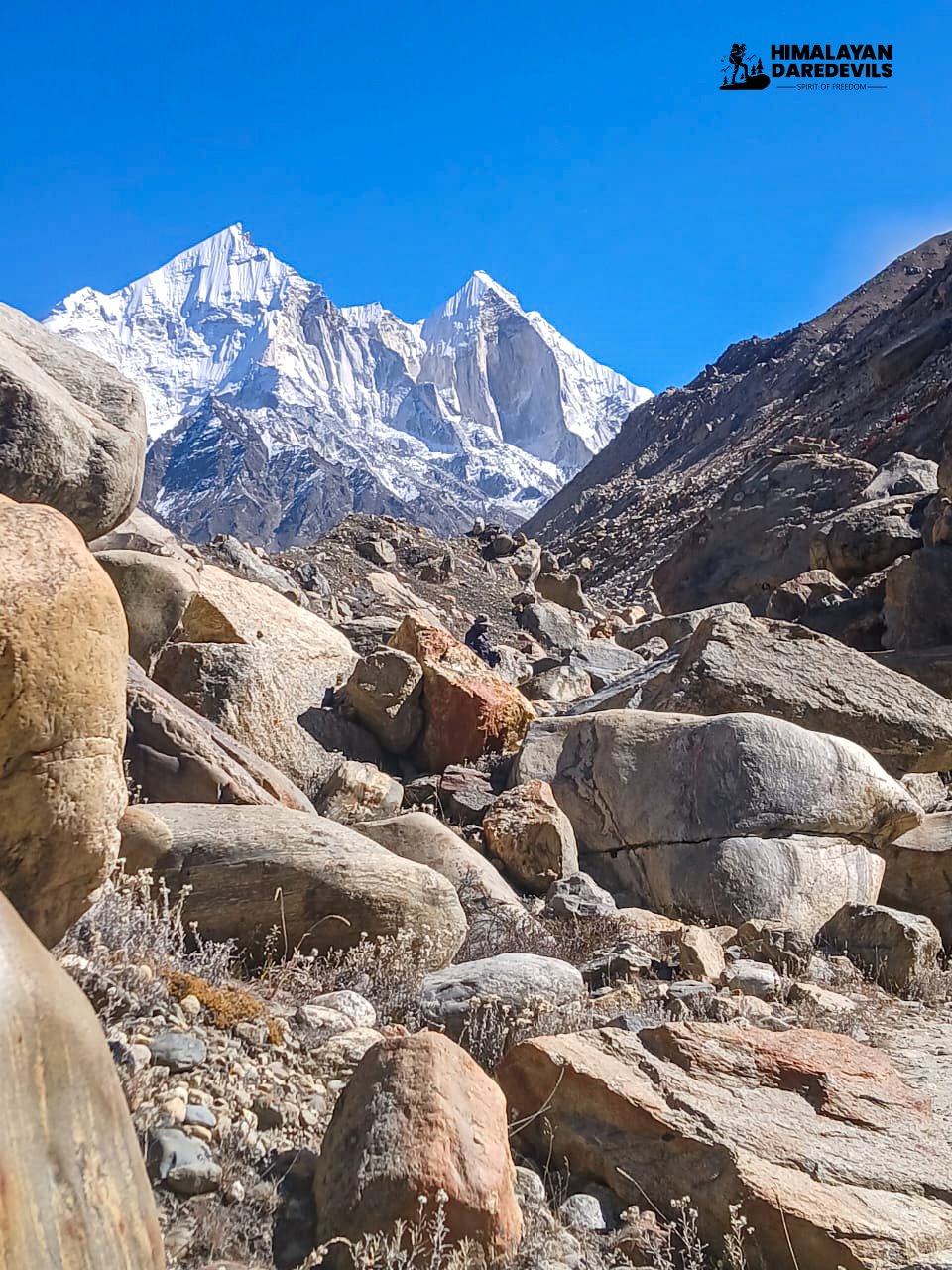
The Gaumukh Tapovan Trek offers some of the most dramatic and diverse landscapes in the Indian Himalayas. The trail winds through ancient deodar forests, rocky mountain paths, and glacier-fed streams before reaching the magnificent Gaumukh Glacier. As trekkers ascend toward Tapovan, the terrain becomes more rugged, with moraine sections and steep climbs that test both balance and endurance. Upon reaching Tapovan Meadows, the scenery transforms into a vast alpine expanse surrounded by iconic Himalayan giants like Mount Shivling, Bhagirathi Peaks, and Mount Meru. During the summer months, Tapovan is dotted with vibrant alpine flowers, making it a paradise for photographers and nature lovers alike. The contrast between icy glaciers and green meadows defines the unique beauty of Tapovan trekking.
Spiritual Significance
Beyond its visual grandeur, the Gaumukh Tapovan Trek holds immense spiritual importance. Gaumukh, meaning “cow’s mouth”, marks the sacred origin of the River Ganga, revered by millions across India. Standing at the mouth of the glacier is a deeply moving experience, often described as both humbling and transformative. Tapovan, located above Gaumukh, is believed to have been a meditation ground for sages and ascetics for centuries. The peaceful environment, combined with panoramic Himalayan views, creates a rare space for introspection and inner calm. This powerful spiritual aura makes the Gomukh and Tapovan trek a journey of both physical endurance and personal reflection.
Gaumukh Tapovan Trek Difficulty and Preparation
The Gaumukh Tapovan Trek difficulty ranges from moderate to challenging, making it suitable for trekkers with prior high-altitude experience. The trail involves steep ascents, moraine crossings, and sections of the Gaumukh Glacier, requiring good stamina and mental resilience. Weather conditions can change rapidly, and proper acclimatization is essential to avoid altitude-related issues.
Trekkers should prepare with regular cardio training, strength exercises, and previous exposure to long-duration treks. While the challenges are demanding, the sense of accomplishment and the unmatched Himalayan views make the effort truly rewarding.

Best Time for Gaumukh Tapovan Trek
The Gaumukh Tapovan Trek is a beautiful and spiritually significant Himalayan trek in Uttarakhand, India. The best time for the Gaumukh Tapovan Trek is from May to mid-June and mid-September to mid-October, when the weather is clear, temperatures are moderate, and the trail is most accessible. Here is a look at different seasons and what they have to offer:
Summer / Pre-Monsoon Season (May to Mid-June)
Temperature: Day: 10°C to 15°C / Night: 0°C to -5°C
Weather: Pleasant days and chilly nights; snow starts melting, trails become accessible, and the skies are mostly clear.
The summer is the most popular season to come and trek to the Gaumukh Tapovan Trek. It is the time when the snow begins to melt and the trek opens up to the public. Streams are full with cold glacial water and wildflowers begin to bloom, throughout the trek you will be able to see the majestic Bhagirati Peaks. It’s a great time for photographers, nature lovers, and spiritual seekers alike. The days are comfortably warm for trekking, while nights can be cold but manageable with proper gear.
Autumn / Post-Monsoon Season (Mid-September to Mid-October)
Temperature: Day: 8°C to 12°C / Night: -2°C to -6°C
Weather: Clear, crisp days with excellent visibility. Cold nights, with the first signs of fresh snowfall at higher elevations by October.
The monsoon clears up the sky and makes the air crisp and clear making it the best season to see the snow capped mountains far away. The months from September to October offer contrast, you see the white of the snow capped peaks and above them the clear blue sky, the terrain is also greener because of the rain and the glacial streams swell with water. It’s less crowded than summer, offering a more peaceful trekking experience. However, temperatures drop quickly after sunset, so good insulation is essential.
Seasons to Avoid
Monsoon (Mid-June to August)
Landslides, slippery trails, swollen rivers, and leeches make it unsafe. Trekking is not advisable during this period.
Winter (Mid-October to April)
Heavy snow blocks the trail beyond Gangotri. Gaumukh and Tapovan become inaccessible due to extreme cold and avalanche risk.

Is the Gaumukh Tapovan Trek Difficult?
The Gaumukh Tapovan Trek difficulty is generally rated as moderate to challenging. While the trek is immensely rewarding in terms of scenery and spiritual significance, it also demands good physical fitness, proper acclimatization, and mental preparedness due to high altitude, rugged terrain, and unpredictable Himalayan weather.
Below is a detailed, factor-wise breakdown to help you understand the challenges involved.
Altitude and Acclimatization
The Gaumukh Tapovan Trek begins at Gangotri (approx. 3,100 meters) and gradually ascends to Tapovan at around 4,400 meters. This significant altitude gain over a short duration increases the risk of Acute Mountain Sickness (AMS).
Trekkers must focus on proper acclimatization, hydration, and a gradual ascent. Common AMS symptoms include:
- Headache
- Nausea
- Dizziness
- Fatigue
- Shortness of breath
If any of these symptoms appear, it is essential to inform the trek leader immediately, take rest, and use medication if advised. Ascending slowly and listening to your body are key to staying safe on this high-altitude trek.
Trail Conditions and Terrain
The Gaumukh Tapovan trek distance is approximately 46–50 kilometers, covering a wide variety of terrain. Trekkers encounter:
- Rocky mountain trails
- Glacial moraines
- Steep ascents and descents
- Slippery glacier sections near Gaumukh
- Occasional stream crossings
The uneven and unstable terrain requires good balance, stamina, and proper trekking gear such as high-ankle shoes and trekking poles. These challenging trail conditions significantly contribute to the adventurous nature of the Gaumukh and Tapovan trek.
Weather and Temperature
Weather conditions on the Gaumukh Tapovan Trek can change rapidly. Daytime temperatures usually range between 8°C and 15°C, while nights can drop below freezing, especially at higher camps.
Sudden rain or snowfall is common, making it essential to carry:
- A waterproof jacket and rain cover
- Insulated warm layers
- Trekking boots with a strong grip
Being well-prepared for cold nights and changing weather ensures comfort and safety throughout the trek.
Duration, Endurance, and Fitness Level
The trek typically takes 6 to 8 days, with 5–7 hours of walking daily at high altitude. Sustained endurance is required, as continuous ascents combined with thin air can be physically exhausting.
This trek is best suited for:
- Trekkers with prior high-altitude experience
- Individuals with good cardiovascular fitness
Beginners or those with heart or lung conditions should avoid this trek unless cleared by a medical professional. Regular cardio training, leg strengthening, and stamina-building exercises greatly improve the chances of completing the trek comfortably.
More Than Just a Trek – A Spiritual Journey
The Gaumukh Tapovan Trek is not just a physical adventure but a deeply spiritual experience. From witnessing the origin of the sacred River Ganga at Gaumukh to walking the meditation grounds of ancient sages at Tapovan, the trek holds immense cultural and spiritual significance in Indian tradition.
Why Trek with Himalayan Daredevils?
If you’re planning to experience the Gaumukh Tapovan Trek, Himalayan Daredevils ensures a safe, well-organized, and enriching journey. With experienced trek leaders, personalized attention, and a strong commitment to safety and sustainability, we help you focus on the mountains while we handle the logistics.
Tips & Tricks For Gaumukh Tapovan Trek by Himalayan Daredevils Expert Guide


Itinerary
The first day of the trek, the Gaumukh Tapovan Trek begins at Gangotri 3100 m enhancing the natural beauty of the region hauling the connotation as the most holy point in the Himalayas and the shrine of river Ganga.
Above all lies the Gangotri Temple that is devoted to Goddess Ganga and this temple invites pilgrims and tourists merging folklore with great scenic views.
Fables say that it was King Bhagirath who strived hard to the point of bringing Ganga to Mother Earth and her holy waters redeemed his 60,000 sons’ souls.
The journey has a lot in store with journeys filled with the mythical tales, beautiful hills with glorious landscapes and the great Father with his quiet beauty all adding to the significance of the ethereal journey.
SHORT ITINERARY:
DETAILED ITINERARY:
The Gaumukh Tapovan Trek starts at Gangotri which is located at an elevation of 3100 m in the Himalayas. Gangotri is famous for being the Spiritual Gateway of the Ganga. At Gangotri the river is referred to as Bhagirathi which was named after Maharaja Bhagirath, who is said to be instrumental in bringing Ganga to the Earth. Though the actual source of the river may be placed at Gaumukh but Gangotri Temple which is devoted to Goddess Ganga attracts its worshipers and trekkers pouring great fun and thrill at the same time.
Gangotri Temple is also associated with Indian history and ancient manuscripts. As per the texts, King Bhagirath interested in seeking the liberty of his sixty thousands sons who turned to ashes due to the curse of sage Kapila did very harsh penance. After long penance, Lord Shiva, satisfied with him, told Goddess Ganga to come on the earth and cleanse these ashes. The Ganga descends quickly to her natural place where the Lord Shiva took hold of her. The snake locks of the Lord Shiv became the bearer of the quick descent of the Ganga and sent her to the plains in a mild way. This action not only liberated the souls of Bhagirath’s sons but shifted the sacredness of Ganga from the sole of child; with this much power she cleansed all the contamination and became the force of liberty.
The trek formally commences on the following morning after the arrival in Gangotri when the trekkers tie their boots, ready for Gaumukh where the glacial source of Bhagirathi river can be found. The trekkers bring supplies, equipment, but, even more significantly, respect for a holy place. Clouds woven with the towering mountains, rocky paths, thick forests, and extraordinary sights, each step towards Gaumukh brings myths and nature one step closer.
Surrounding mythological greats together with wonderful scenery makes Gangotri perfect for the starting of the Gaumukh Tapovan Trek. It does not matter if you are on a trip to find a peace of the spirit or to increase the levels of strength the adventure starts in Gangotri and stays in the heart forever.
The trek from Gangotri to Bhojbasa (13 kilometers) this beautiful place marks the control center for the commencement of the Gaumukh Tapovan trek.
Trekking in this region involves stepping on a stunning path across rough landscapes, deodar woods, and along the turbulent Bhagirathi River.
From Bhojbasa, the trekkers are treated to awesome views of towering mountains, valleys covered with green fields and smooth silvery skies dotted with towering pines.
As Bhojbasa is in this nature’s lap, it is recommended that the place should be used as a calm shelter to rest before venturing further.
SHORT ITINERARY:
DETAILED ITINERARY:
The journey from Gangotri (3,048 m) to Bhojbasa (3,789 m) marks the official start of the Gaumukh Tapovan Trek, a 13-kilometer trail that takes approximately seven hours to complete. Leaving behind the spiritual aura of Gangotri, trekkers follow a well-defined path that winds through rugged terrains and dense forests, with the majestic Bhagirathi River serving as a constant companion. The river’s roaring flow adds a rhythmic voice to the trek, creating an invigorating atmosphere for the adventure ahead.
The trail begins with a gradual ascent, offering breathtaking views of snow-clad peaks and lush greenery. Trekkers navigate through patches of deodar and pine forests, which provide refreshing shade and a sense of tranquility. As you approach Chirbasa, named “the abode of pine trees,” the landscape transforms, with towering pines dominating the horizon.
This section of the trek is not just a physical journey but also a sensory delight. The crisp mountain air, the distant echoes of the river, and the vibrant flora create a harmony that energizes and inspires. Reaching Bhojbasa feels like arriving at a serene sanctuary, a perfect spot to rest and prepare for the challenges of the trail ahead.
It is a strenuous 9-hour uphill trek from Bhojbasa to Tapovan and covers a distance of 6 kilometers which tests one’s strength and endurance.
The trek starts with sunrise over the Bhagirathi peaks. It is a wonderful way to start the trip.
One of the highlights of Gaumukh’s (sacred glacier) is, first, a 2 hour glacier walk which needs to be done with some thought.
Apart from Mount Shivling and a perfect peak of Meru, the last step of Tapovan is blessed with beautiful green and white meadows of Himalayas to rest the eyes and body.
SHORT ITINERARY:
DETAILED ITINERARY:
The trek progresses in an upward manner from Bhojbasa (12,415 ft) which is now quite high up to Tapovan (14,203 ft) where the altitude is more than that of the base. The trek here covers staggering high elevations but does remain a fairly grueling trek as it is completed over a distance of 6 kilometers in about 9 hours. This part of the trek challenges physical strength and endurance as it takes the trekkers over stunning views of the giants of the Himalayas.
The day starts and the adventure commences with a touch of magic, with the sunrise being the most cherished sight as it brightens the Bhagirathi group of peaks. When breakfast is complete, the trek continues and thanks to the Ganges, it flows towards Gaumukh (3,890 m), which is known as the sacred glacier. Upon understanding the enormous tasks, the goal of Gaumukh becomes more and more enriching as it emanates an atmosphere of nature untouched by science and displays grandeur beyond imagining.
From Gaumukh, the road gets a little steeper and requires a 2-hour glacier walk. Careful navigation through the trails requires caution and balance. After the glacier, there is moderate elevation gain before reaching the actual steep slope of Tapovan. The last 1.5 hours of this climb may be exhausting but are also unforgettable; views open up of Mount Shivling, Meru and other giant mountains. When the trekkers reach Tapovan, a dispersal of flowers is welcomed because the area is known to be one of the best Alpine Pastures of Himalayas. Adding to the beauty are stunning views all around as one looks deep into mountain ranges while Tapovan is a delight, gushing relaxation and peace; the journey feels worthy.
From Tapovan to Bhojbasa, wearing boots feels mandatory again to start moving downhill. The distance is 6 kilometers and the time expected is 5 hours.
Breathtaking sunrise views of Mount Shivling, Bhagirathi and Meru gradually the meadows of Tapovan to light during the day.
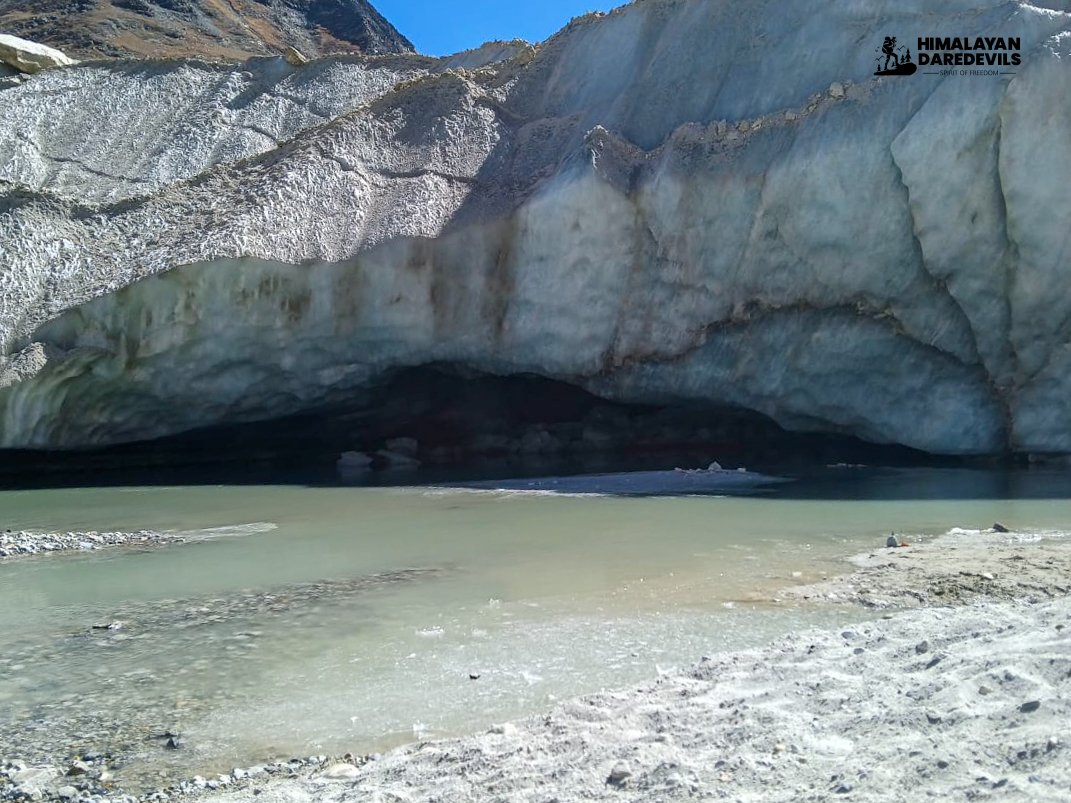
The trek consists of loose rocks and areas of Gaumukh Glacier which are ice with the river Bhagirathi below them.
A quiet day is finished at Bhojbasa with wonderful moments of the day that are definitely worth thinking about.
SHORT ITINERARY:
DETAILED ITINERARY:
This trek covers the distance of 14,203 ft from Tapovan to Bhojbasa at 12,415 ft and it is a 6 km descent to be completed in some 5 hours. Relatively moderate compared to the uphill walk, this trek needs attention in order to traverse quite difficult landscape. It’s a wonderful sight to behold in the morning as the sun appears and the first rays touch the high peaks of Mount Shivling, Bhagirathi, and Meru which then shower light across the stunning meadows of Tapovan.
The breakfast that will be provided is fantastic. Downhill begins the return along the rough moraine paths and the Gaumukh Glacier. It does take some concentration to cross the glacier as the trekkers have to negotiate their way around loose rocks and wet icy areas. The glacier – the towering Bhagirathi River flowing down below – this part of the trek is just as breathtaking as it is adventurous.
As you descend gradually the dry plateau is brought to an end by the cypress trees and the wide river valley of Bhojbasa, announcing the twilight of the day. The descent is much less strenuous but provides a chance to look at the mountains of the Himalayas again – in a much more clear way.
Bhojbasa almost feels like a calm and a quiet home where everything is perfect. Trekkers get to relax and ponder over the extraordinary events that transpired in Tapovan.
Coming back to Gangotri from Bhojbasa means retracing the path but this time, the view of Mount Shivling is surely different.
The stream and the boulders are part of the coming down so they have to be watchful of rock falls and the chances of landslides.
The peak Bhagirathi becomes the central point however trekkers have to remind themselves to move and not to get too distracted by the views.
This last section will bring the trekkers to Gangotri as they traverse by the Bhagirathi River and see the camp site, and the end of the trek is in sight.
SHORT ITINERARY:
DETAILED ITINERARY:
Starting from the campsite, trek downwards towards Gangotri. One can view yet another stunning perspective of Mt Shivling. Move on the same way that you had come up. You will also encounter the boulder section and a stream again. Further descend, there will be a traverse section. It is important to observe the falling rocks. Do take precaution and do not halt at this place.
Continue walking on the trail. There is a risk zone of a landslide up ahead. There you will see Bhagirathi’s peak even clearer. Do not stop to rest and gossip. Maintain that direction. After this, do not lose sight of the Chirbasa campsite.
Proceed and move along with the Bhagirathi river that is visible as you approach the campsite. Take an uphill course and head towards the right. Carry on and wait until the tortuous bit. As you retake your course, be on guard and protect all assets.
While walking see the Bhagirathi river cutting through the ground to your left. You are almost at Gangotri now.
Gangotri to Dehradun is about 245 km and takes about 9 hours to complete, providing beautiful views of valleys and waterfalls.
The road touches the hills that surround the Bhagirathi River and finally the Ganga, thus providing a beautiful experience of ceding the himalayas.
Lost in the mountains now only gives more beauty to their downs.
The trip comes to an end at Dehradun and trekkers are seen reminiscing about the beautiful journey they had in the Himalayan region.
SHORT ITINERARY:
DETAILED ITINERARY:
The distance between Gangotri and Dehradun is a drive of 245 kilometers in approximately 9 hours which is quite beautiful. This is when you are coming down from the majestic layers of the Himalayas where the perspective includes sprawling valleys, fanning streams of waterfalls and beautiful little mountain villages. The twisted road wraps around the Bhagirathi River and floods into Ganga which is a beautiful sight. The journey ends in Dehradun, the busy capital of the state of Uttarakhand, as trekkers remember their journey in the Himalayas.
Gaumukh Tapovan Trek Map



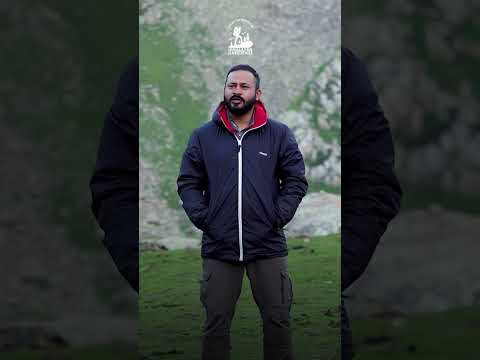
Trek Review Videos

Inclusions
Exclusions
1. Meals while on trek (Veg).
2. All necessary entry fees and permits.
3. Accommodation:- Guest house, Home stay, camping during Trek.
4. Mountaineering qualified & professional trek Leader, guide, cook and Support staff.
5. First aid medical kits, stretcher and oxygen cylinder.
6.Trek equipment: Sleeping bag, mattress, tent , kitchen & dinning tent, toilet tent, utensils and crampon (if required)
7. Staff Insurance.
8. Porters/mules to carry central equipment.
1. Any kind of personal expenses.
2. Food during the transit.
3. Mules or porter to carry personal luggage.
4.Transport (Non Ac)
5. Insurance.
6. Any kind of emergency evacuation charges
7. Anything not specifically mentioned under the head.
8.Any expense incurred or loss cost by reasons beyond our control such as bad weather, natural calamities (landslides, floods), flight delays/rescheduling/ cancellations, any accidents/medical evacuations, riots/strikes/war/pandemics etc.
Things can be provided on demand and availability (participant has to pay extra for these things)
1. Meals while on trek (Veg).
2. All necessary entry fees and permits.
3. Accommodation:- Guest house, Home stay, camping during Trek.
4. Mountaineering qualified & professional trek Leader, guide, cook and Support staff.
5. First aid medical kits, stretcher and oxygen cylinder.
6.Trek equipment: Sleeping bag, mattress, tent , kitchen & dinning tent, toilet tent, utensils and crampon (if required)
7. Staff Insurance.
8. Porters/mules to carry central equipment.
1. Any kind of personal expenses.
2. Food during the transit.
3. Mules or porter to carry personal luggage.
4.Transport (Non Ac)
5. Insurance.
6. Any kind of emergency evacuation charges
7. Anything not specifically mentioned under the head.
8.Any expense incurred or loss cost by reasons beyond our control such as bad weather, natural calamities (landslides, floods), flight delays/rescheduling/ cancellations, any accidents/medical evacuations, riots/strikes/war/pandemics etc.
Things can be provided on demand and availability (participant has to pay extra for these things)
What should you carry for the Gaumukh Tapovan Trek
Shoes and backpack
- Trekking shoes with ankle support
- Backpack with rain cover
Warm Layers and Clothes
- Warm layers (PaddedJacket)
- 3 layers if you're trekking in spring, summer and monsoon (1 woollen sweater, 1 fleece, 1 padded jacket)
- 4 layers if you're trekking in autumn (1 woollen sweater, 2 fleece, 1 padded jacket)
- 5 layers if you're trekking in winter (1 pair of thermals, 1 woollen sweater, 2 fleece, 1 padded jacket) - 3 Collared T-shirts (Wear one, carry two)
- 2 quick-dry trek pants (Wear one, carry one)
Accessories
- Sunglasses
- Sun cap with flaps
- Waterproof gloves
- Balaclava
- Woollen socks (3 pairs)
- Headlamp
- Trekking pole
- Rain jacket + pants / poncho
Toiletries:
- Sunscreen
- Moisturiser
- Light towel
- Lip balm or vaseline
- Toilet paper
- Toothbrush
- Toothpaste
- Reusable plastic covers (for used clothes)
How to Reach for Gaumukh Tapovan Trek
By Air:
Jolly Grant Airport is the nearest airport to Dehradun by flight, almost 25km from the city. You can find regular flights from Delhi to Dehradun.However, if you plan to reach Dehradun by flight, it is better to come one day in advance.
By Train:
Two express trains are convenient if you want to reach Dehradun from Delhi by train. With the train, it is an overnight journey. The two trains are mentioned below:Nandadevi Express – Train no: 12205 (Departure 11:50pm; Arrival – 5:40am)
Dehradun Express – Train no: 12687 (Departure – 9:10pm; Arrival – 5:00am)
By Bus:
From Delhi, you can find a regular bus service to Dehradun. ISBT Kashmere Gate is the central bus station in Delhi, from where you will find both AC and non-AC buses for Dehradun.Drive from Dehradun to Gangotri. It is a 10-12 hour drive from Dehradun. Gangotri is the base camp for your trek.
We organise transport to Gangotri from Dehradun. Our vehicles leave at 6:30 am sharp. The cab fare is Rs 9,500 and Tempo Traveller Rs 14,000 ).- This is to be shared among trekkers
Fitness and preparation guide for Gaumukh Tapovan Trek
We recommend jogging as the best routine to get fit for a trek. It works on the same muscles that you use while trekking — your calves, glutes and hamstrings. It helps increase your stamina day by day. It is also an easy routine that does not require any equipment or tools.
Fitness target:
To do this trek comfortably, you must be able to cover 5 km in under 35 minutes. This is the minimum fitness required for this trek.
How to achieve this fitness?
- Start jogging at least 4 days a week
- If you cannot run 5 km immediately, start with 2 km and increase to 5 km over 2-3 weeks.
- Once you’re able to run 5 km, increase your pace day by day.
- Gradually increase your pace and bring it down to 5 km in less than 35 mins.
- You must be able to run 5 km in 35 mins consistently for at least 2 weeks before the trek.
This trek requires at least 6-8 weeks of preparation. The longer, the better. So plan your trek soon and start preparing.
FAQ
The ideal months for the Gaumukh Tapovan Trek are said to be May June and September October. It is during these months that there are clear skies, ideal conditions, and the temperature is favorable, perfect for the trekkers to sightsee the Gangotri Glacier, meadows, and high peaks without the difficulties of the harsh winters or torrential rains.
The Gaumukh Tapovan Trek is classified as moderately difficult to difficult; it consists of steep climbs up rugged landscapes filled with high altitudes at 4463 meters. You also need to be fit and strong for the Gaumukh Tapovan trek as it involves a lot of extremities such as long distances, weather conditions and altitude.
The trek can last from 6 to 7 days on average which is about the time required to cover the desired location. This duration helps avoid rapid altitude changes and helps to adjust better to the climatic condition, it also includes visiting places such as Gaumukh and Tapovan and offers the flexibility to spend sufficient time to take in the sights. This trek consists of baseline to base camp travelling and 4-5 days of the trek.
The breathtaking views from the Gaumukh Tapovan are worth the trouble. The beauty of the Gangotri Glacier and Tapovan meadows are outdone by the glory of the Shivling peak which, at 6543 meters enthralls a lot of trekkers. Out of the many ranges passed during the trek, the sacred range of Gaumukh provides the most spiritual significance. This trek gives an opportunity to witness the Himalayas.
Yes, it is mandatory to possess a permit for the Gaumukh Tapovan Trek. All the trekkers will have to obtain a permit from the Forest Department in Uttarkashi as it traverses the Gangotri National Park. Furthermore, each trekker is required to register with the District Magistrate’s office so as to maintain safety and also protect the environment during the trek.
The maximum point in Gaumukh Tapovan Trek is Tapovan at 4463m (14,640 feet) above sea level. This high altitude gives elegant views of the shivling and other coordinates but also challenges due women’s above sea level-resistant trees and pole strength as well as proper acclimatization as it is anticipated to be conducted at heights above sea level.
In order to achieve the above, the focusing will then be on cardiovascular endurance, leg strength, and overall stamina. This may include long hikes, walking on stairs and inclines. This will also include leg and core and back strength exercises. In addition, exercise for endurance can be practiced by training with / without carrying a weight on the back.
For the Gaumukh Tapovan Trek, there is a need to wear warm layers, thermal and light weight and dry fit clothing. Important equipment which should not be left behind include a good sleeping bag, trekking boot, gloves, sunglasses, hat, lightweight waterproof jacket, and a waterproof bag. When it comes to safety considerations, make sure your pack has spare trekking poles, a head lamp, an adequate amount of sunscreen, and a proper first aid kit.
A day at the Gaumukh Tapovan Trek is not without its trekking troubles: Balancing acclimatization along with rest and hydration is essential when embarking on a journey composed of high elevations, intense days, and sometimes unpredictable weather. However, when equipped properly and hiked appropriately the intuitive stimulation of tough landscapes containing difficult prickly terrain will assist you with sore muscles.
If you're fit you can consider The Gaumukh Tapovan Trek, however having no prior experience with trekking can make it a bit difficult. Yeah, I know The Trek does sound amazing, however, it does include long walks on challenging difficult terrains to its great altitude. If tackling Mount Everest is your goal then you're in the right place, but before doing so be sure to train and build up your stamina to withstand the forces of nature.
Cancellation policy
Life is unpredictable and we understand sometimes you have to cancel or change your trip dates and it is our endeavour to make it as easy possible for you. However, please understand we plan everything including guide fees, permits, accommodation and ration in advance. Therefore any cancellation means inconvenience and certain losses to the people involved in various stages of programme. Keeping that in mind, our cancellation charges are as below-
Cancellation prior to 30 days from start of the event: Get monetary refund with 15% of cancellation charges on trek fee.
Cancellation between 30 days and 15 days to the start of event: 50% on trek fee is non refundable and the remaining 50 % will be given as cash voucher which is valid for 1 year.
Cancellation less than 15 days to the start of event: No refund.
Please note cancellation will be only accepted by email.
Booking amount is non refundable
Note: The Himalayan Daredevils reserves the right to cancel a programme before departure in the event of logistical problems arriving due to natural calamities, strikes, wars on any other circumstances that makes the event inadvisable. In this case, 50% on trek fee is non refundable and the remaining 50 % will be given as cash voucher which is valid for 1 year.
Itinerary changes & trip delays:
We plan itineraries based on the information at the time of planning and in rare circumstances, there are subject to change. In the event that the itinerary is changes or delayed due to unforeseen circumstances such as bad weather conditions, transportation delays, government intervention, landslides etc. We will always aim to give you the best experience possible. However The Himalayan Daredevils are not be held responsible for the cost of delay or changes.
Why Choose Us
Our Best Performance
50,000+
Trekkers
PAN India Treks
250+
Treks
Professional
and Experienced Staff
Best
Grade Equipment
Well Organised
Trek Itineraries
Related Blogs
Read and get more about our treks
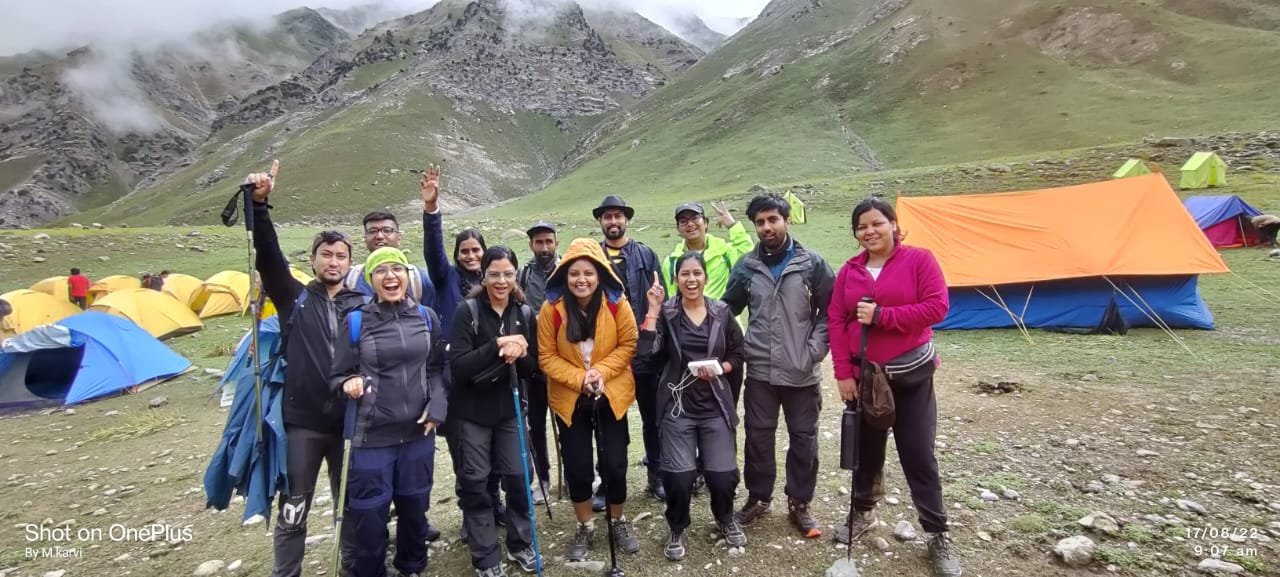
The Beauty of Sar Pass Trek - A Visual Journey Through the Himalayas
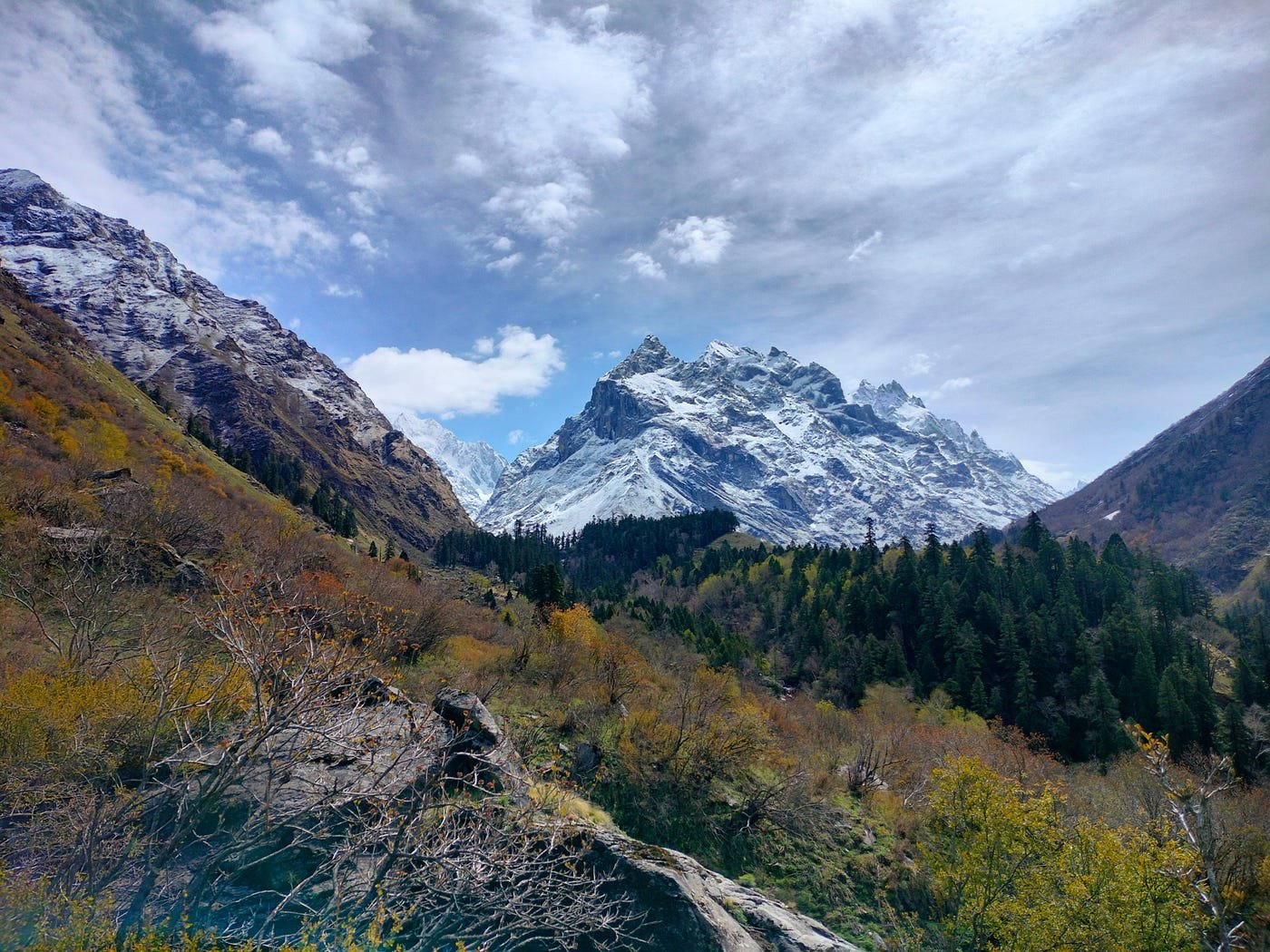
Explore the beauty of Har Ki Dun Trek - A complete Guide
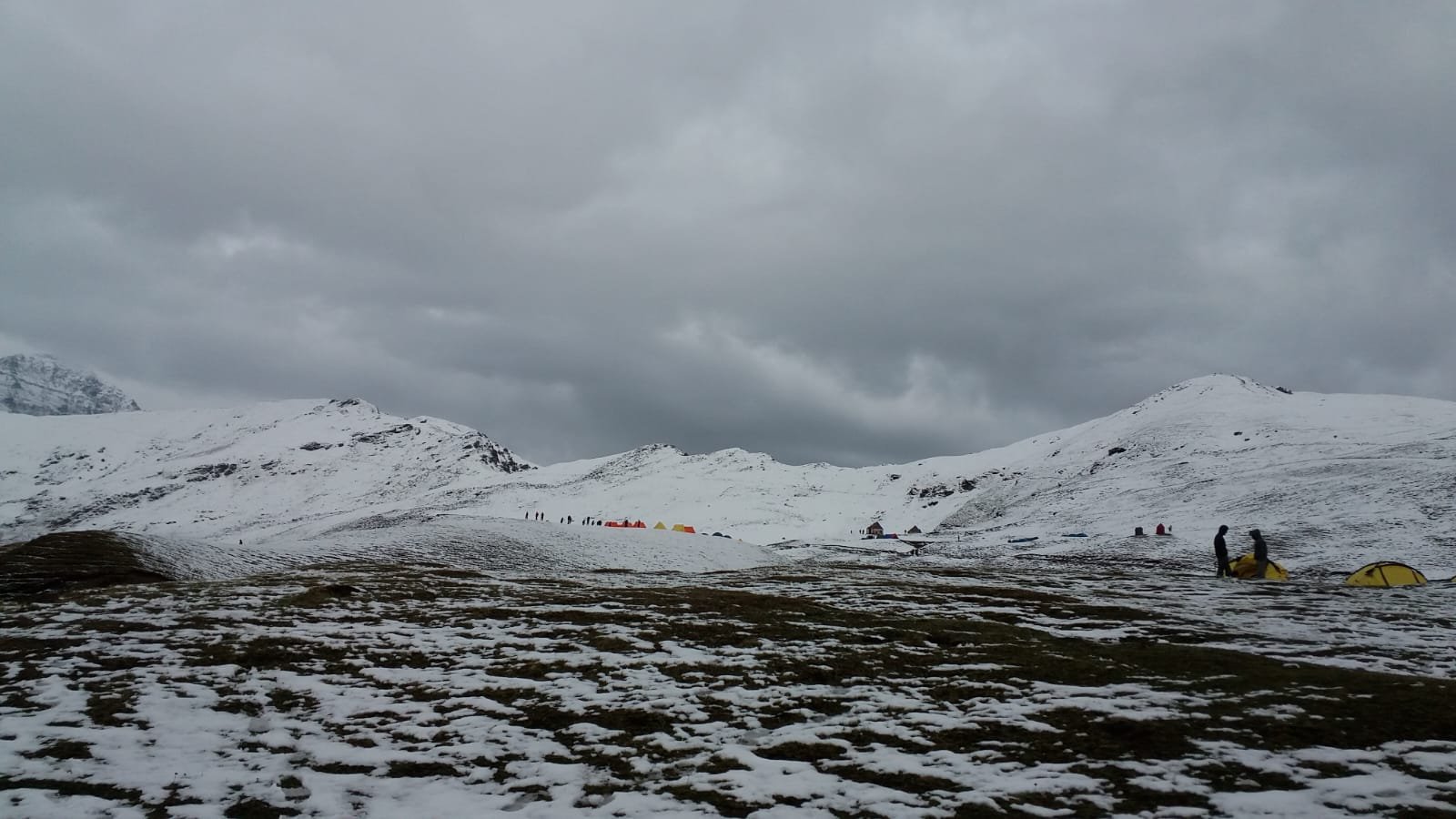
Ali Bedni Bugyal: Detailed Itinerary, Trekking Essentials & Best Time to Visit

Top 10 treks to do with friends
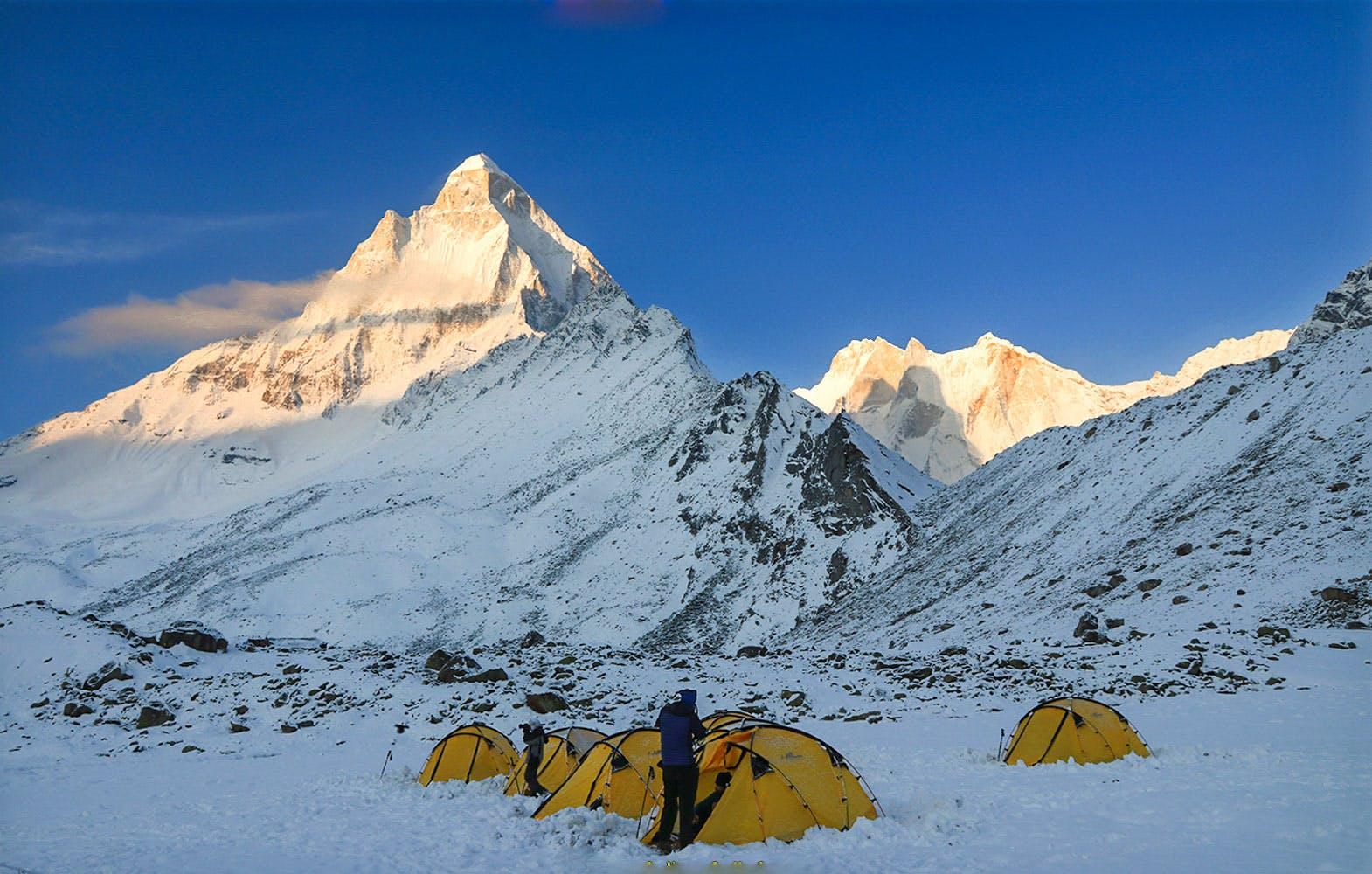
Best Time to Do Gaumukh Tapovan Trek: Complete Seasonal Guide
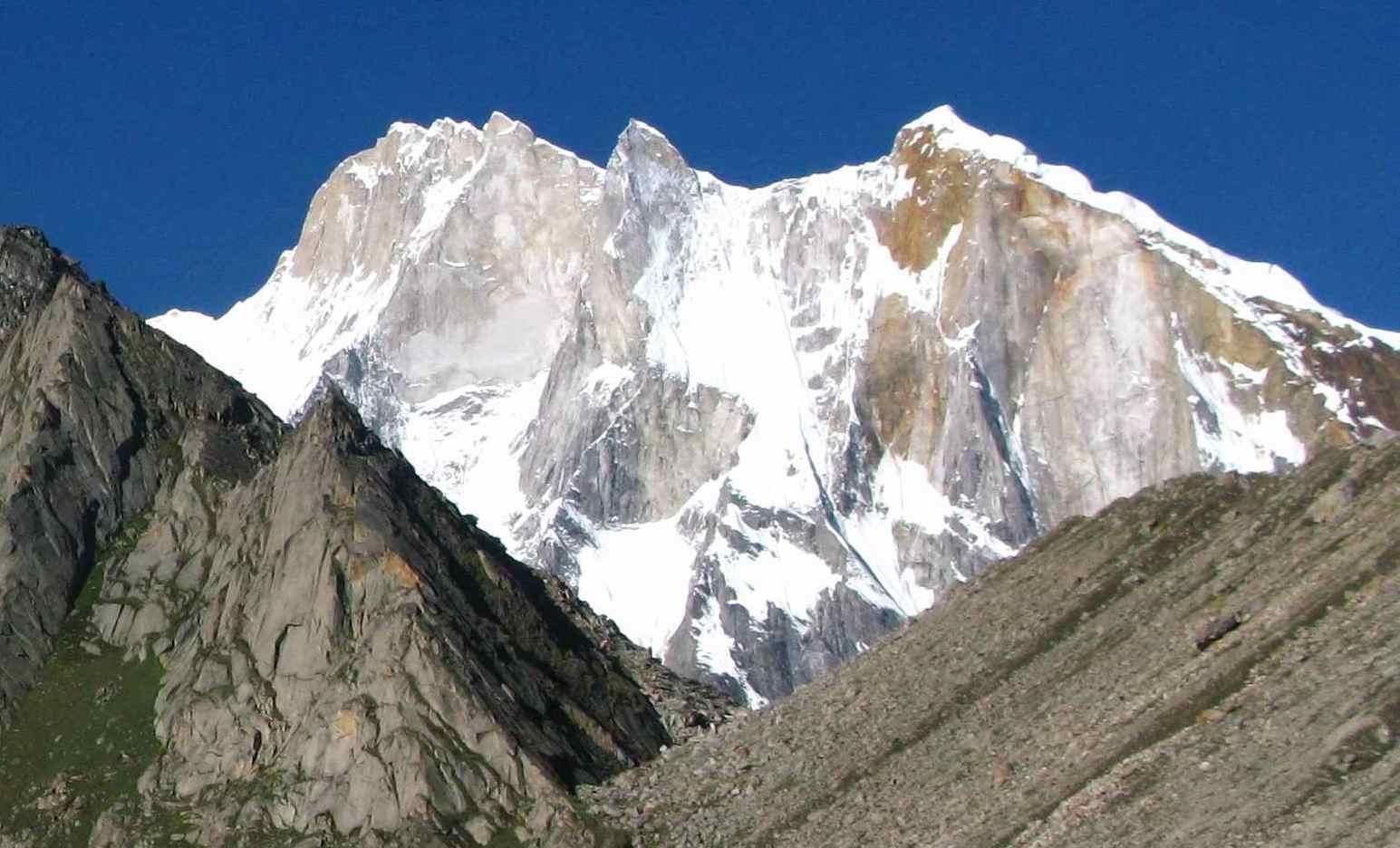
Meru Peaks Uttarakhand: The Ultimate Guide for Trekkers & Mountaineers
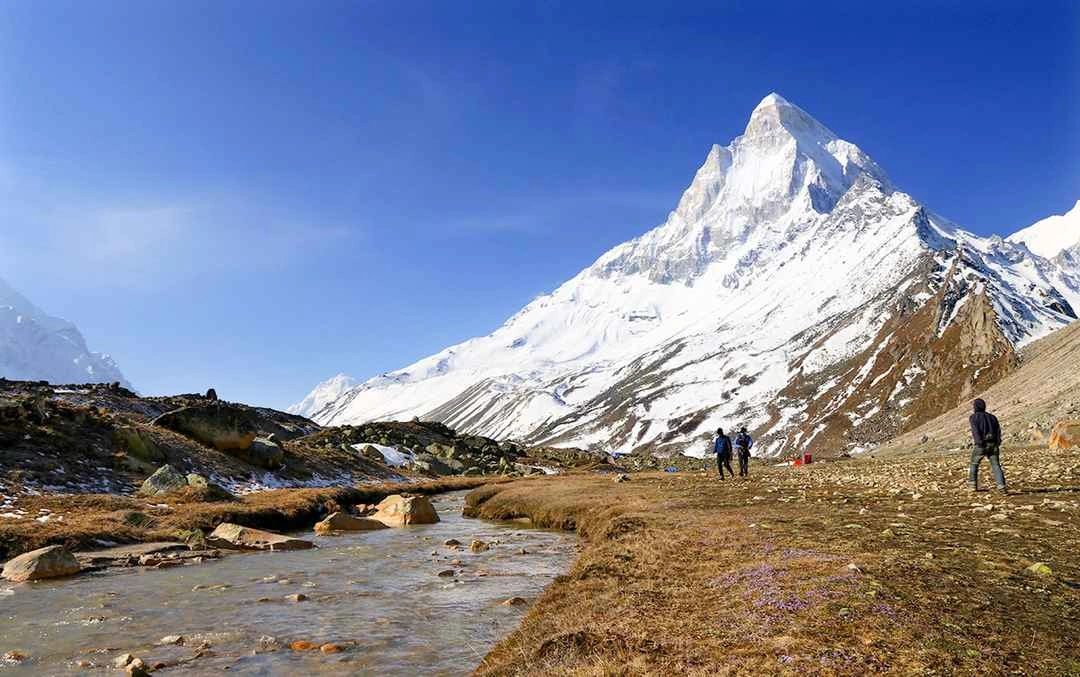
A Guide To Gangotri: A Glacial Trek That Will Bring You Closer To The Himalayas
Affiliated and Recognised by


Download Our Apps