30 December 2025
The Gaumukh Tapovan Trek is one of those routes where timing matters as much as fitness. Many trekkers prepare their bodies well but underestimate how strongly the season controls this trail. Once you leave Gangotri and move beyond Chirbasa, there is no tree cover, no shelter from wind, and very little margin for weather-related mistakes.
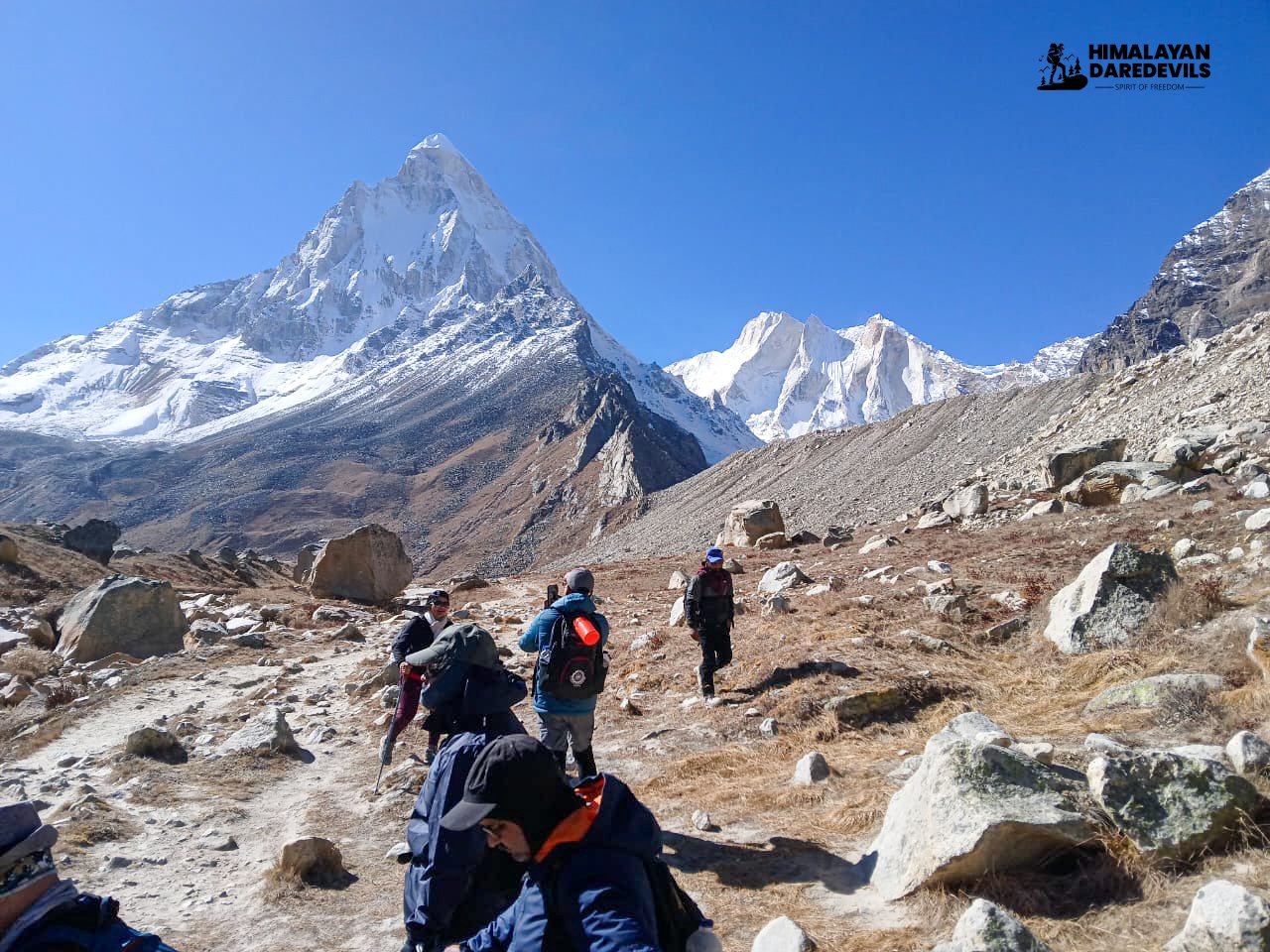
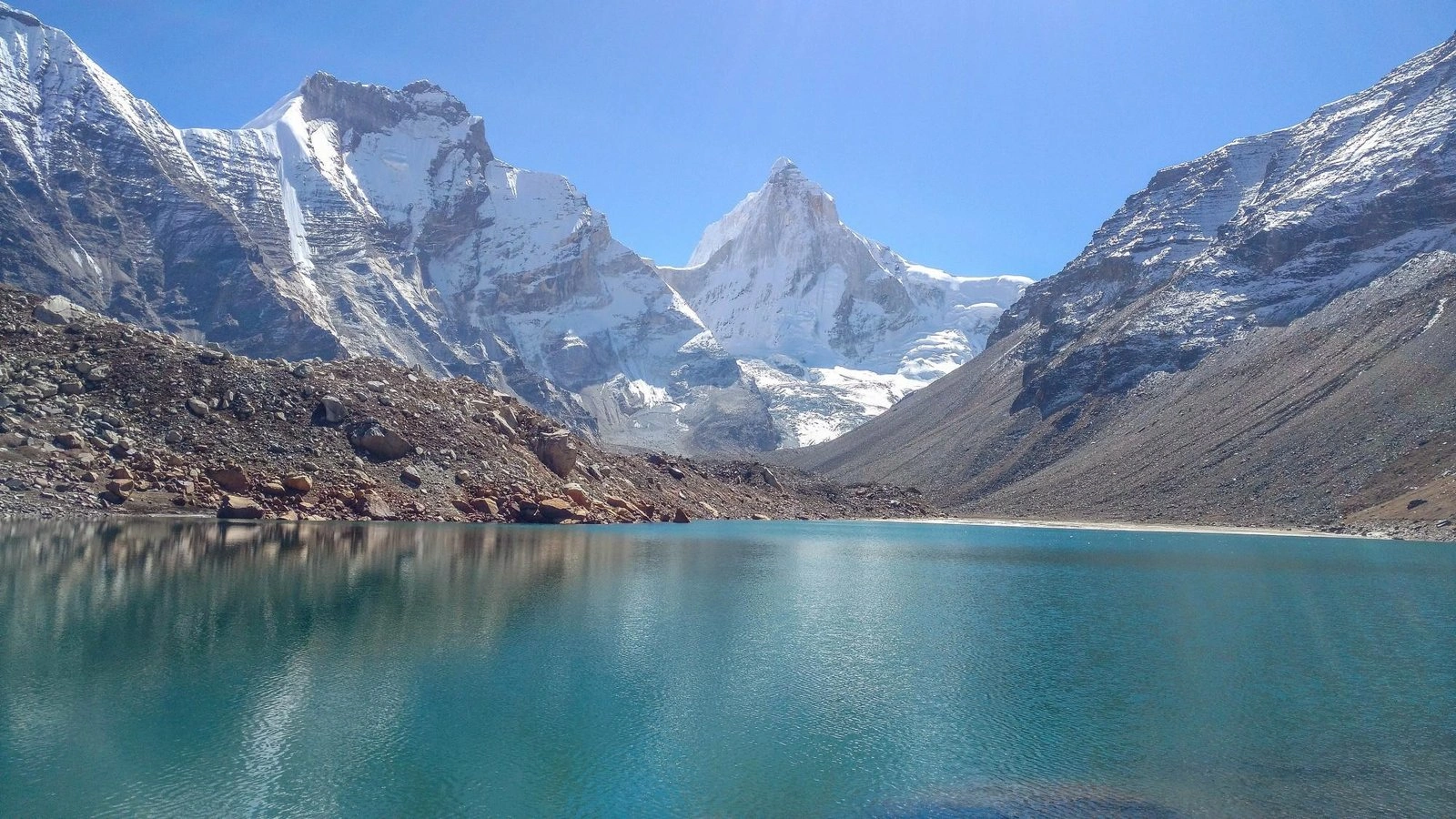
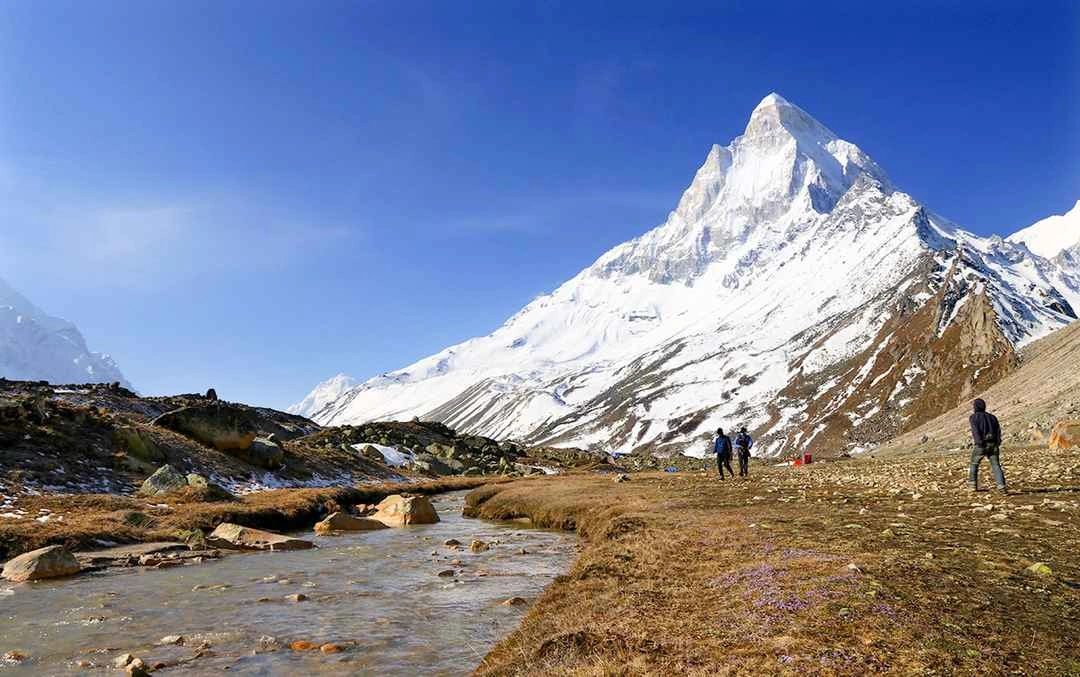
This trek takes you to the source of the Ganga at Gaumukh Glacier and then climbs higher to Tapovan, a vast alpine meadow sitting under the shadow of Mt. Shivling. It is raw, open, and exposed. Because of that, Gaumukh Tapovan cannot be treated like a regular Uttarakhand trek where you simply pick a month and go.
The right time to undertake this trek depends on snow stability, glacier conditions, river flow, and your comfort level in cold, open terrain. This guide explains each season clearly, without exaggeration, so you can decide when it actually makes sense for you.
Why Season Matters on the Gaumukh Tapovan Trek
Gaumukh Tapovan stays above the tree line for most of the route. That alone changes everything. Forest treks can absorb bad weather; this one cannot. Wind speeds increase suddenly, temperatures drop fast after sunset, and even a small weather change can make glacier sections unsafe.
The Gaumukh Glacier itself behaves differently across seasons. In colder months, it stays firm and predictable. As temperatures rise, snow bridges weaken, and water channels open up. Add to that the Bhagirathi river’s changing flow, and timing becomes a safety decision, not just a comfort choice.
Another factor people often forget is permits. Gangotri National Park permissions are seasonal, and movement is sometimes restricted due to weather or environmental reasons.
When the Trek Is Usually Possible
In practical terms, Gaumukh Tapovan is done in two windows:
Late May to June
September to early October
Outside these months, conditions either become unsafe or unpredictable. July and August bring monsoon risks, while winter months shut the route entirely under deep snow.
Just because a month appears on a calendar does not mean it is a good idea. Conditions matter more than dates here.
Gaumukh Tapovan Trek in May
May marks the beginning of the trail's opening after winter, but it still feels like a high-altitude expedition rather than a regular trek.
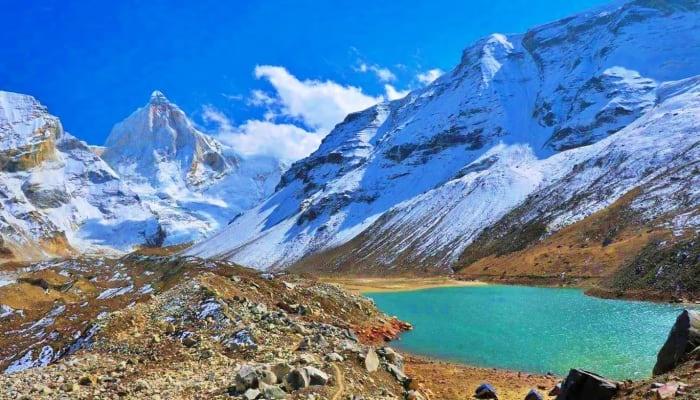
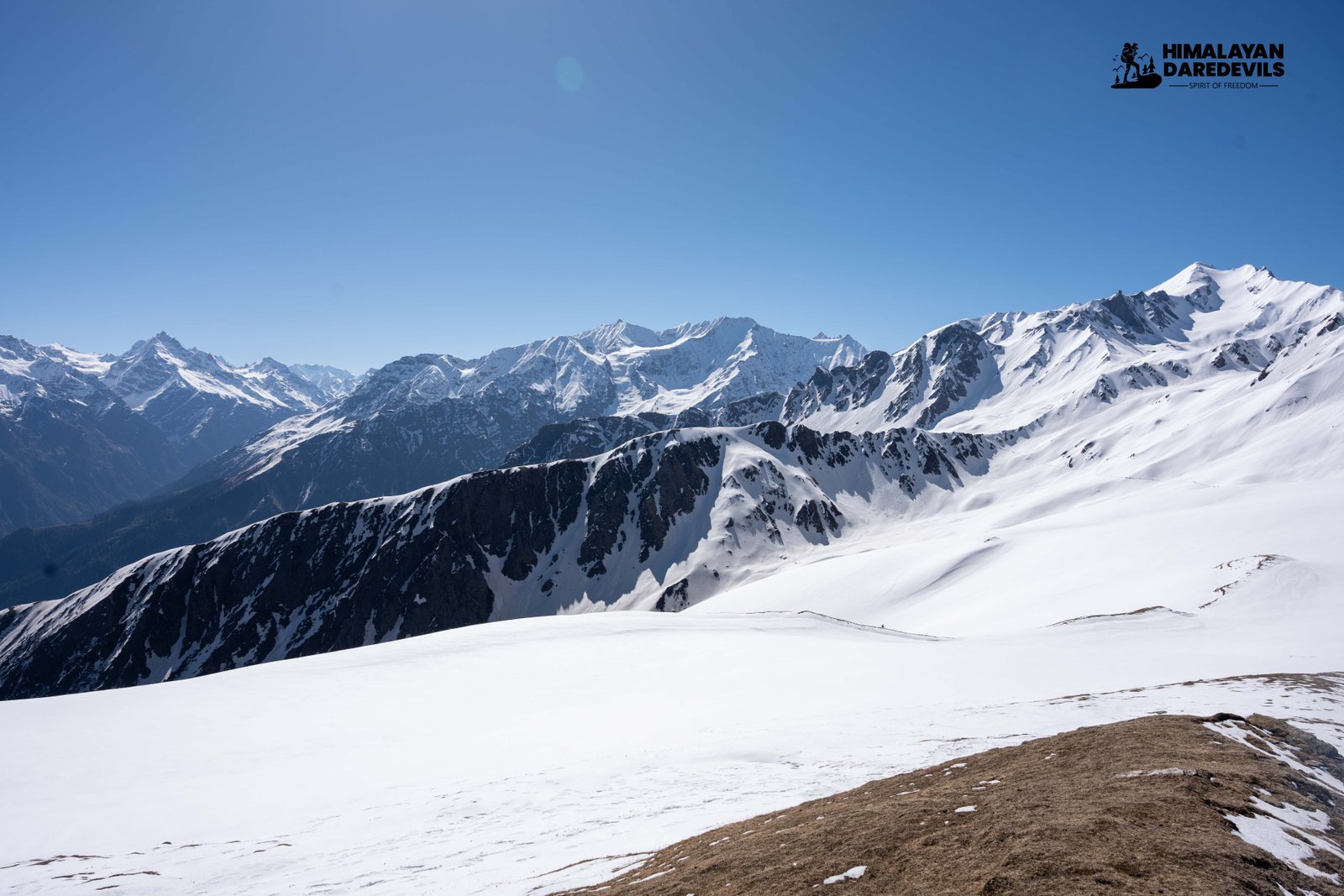
Snow dominates the landscape beyond Bhojbasa. The glacier near Gaumukh is mostly stable, especially in the early hours of the day. Tapovan itself remains largely snow-covered, with only small patches of grass visible toward the end of the month.
Days are cold but manageable if you keep moving. Nights are harsh. Camps feel colder than expected, and wind can make simple tasks difficult. This is not a forgiving month for people who have never slept at altitude.
May suits trekkers who already understand cold conditions and snow movement. If you have done demanding routes like the Bali Pass Trek, you will recognize the seriousness of the terrain and pacing required here.
Gaumukh Tapovan Trek in June
June is when the trek becomes accessible to a wider group of experienced trekkers.
Snow starts melting steadily, revealing clearer trails. The glacier remains firm in the mornings, which is when crossings are planned. Tapovan begins to show its true character - patches of green grass appear, and the scale of the meadow becomes visible.
Weather in June is relatively stable, but that does not mean easy. The sun feels strong during the day, and the cold returns sharply after sunset. Altitude hits many trekkers around Tapovan, especially those who rush acclimatization.
Compared to valley treks like Har Ki Dun, Gaumukh Tapovan in June feels more exposed and demanding, even if the distance looks manageable on paper.
Why July and August Are Not Recommended
Monsoon months bring risks that cannot be controlled on this route.
Heavy rainfall increases landslide chances on the Gangotri road. Cloud cover blocks visibility for days. The glacier becomes unstable as water channels open beneath the surface. River crossings become unpredictable.
Even strong trekkers struggle during this time, not because of a lack of fitness, but because conditions turn against you. This is where many people make poor decisions by forcing a trek that should simply be avoided.
For this reason, responsible operators do not run Gaumukh Tapovan batches during the peak monsoon.
Gaumukh Tapovan Trek in September
September is often considered the best overall time to do the Gaumukh Tapovan Trek, and for good reason.
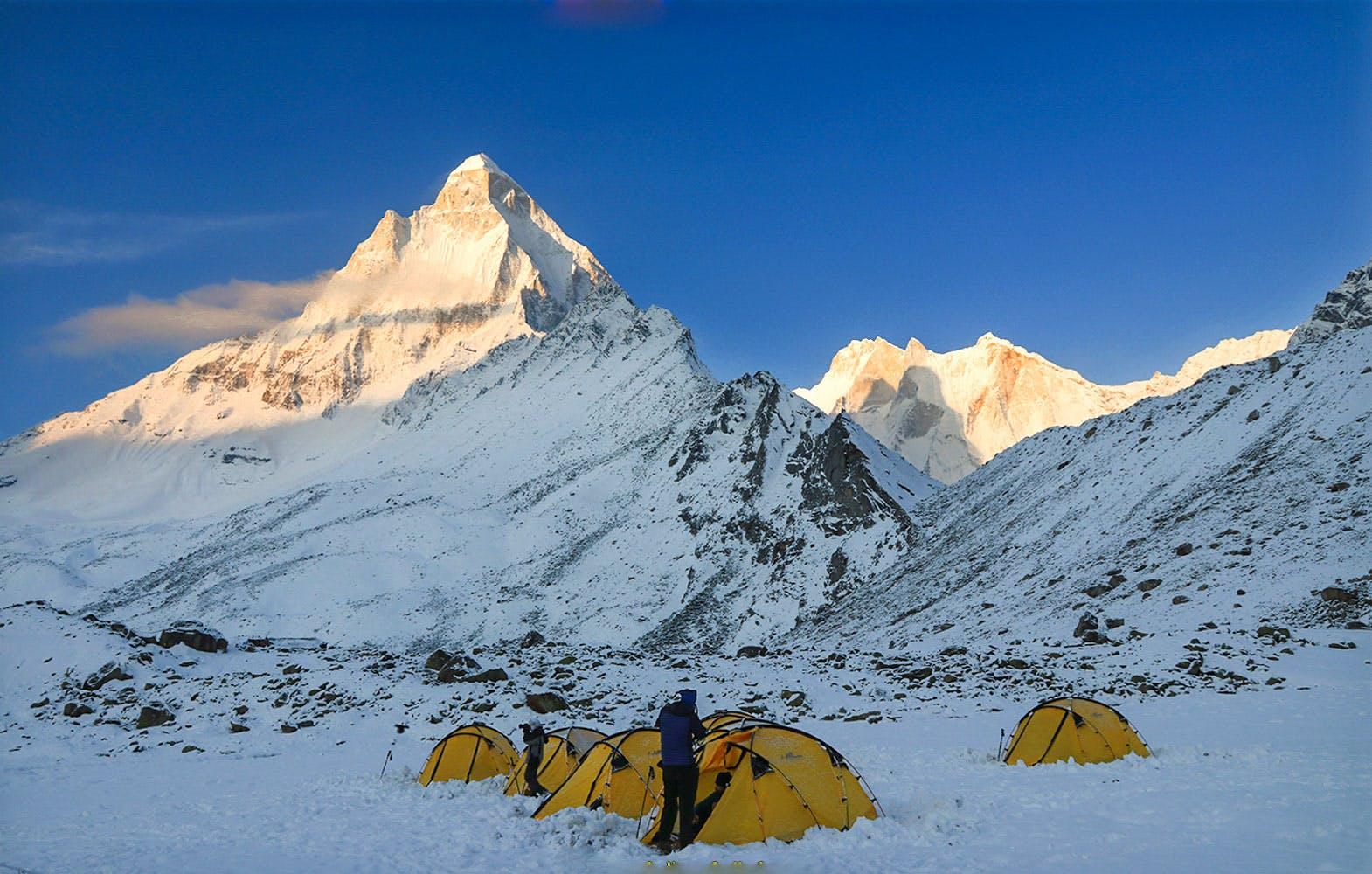
After the monsoon clears, the sky opens up. Mountain views become sharp and uninterrupted. Shivling dominates the skyline from Tapovan, especially in the early mornings and evenings.
The trail is mostly dry. Glaciers stabilize again as temperatures drop. Meadows turn golden, and the landscape feels vast and calm rather than harsh.
If you enjoy open terrain similar to Phulara Ridge, September offers a wide-angle Himalayan experience, though at a much higher altitude and with greater exposure.
Gaumukh Tapovan Trek in October
October is beautiful, but it is unforgiving.
Temperatures drop quickly, especially at night. Daylight hours shorten, leaving little room for delays. Early snowfall can cut off access to Tapovan without much warning.
The trail remains clear in early October, but conditions change fast. Camps become extremely cold, and wind exposure increases. This month is suitable only for trekkers who are mentally prepared for discomfort and uncertainty.
Treks like Dev Kyara offer a similar level of remoteness and seriousness, making October a better choice for seasoned trekkers rather than casual hikers.
Month-by-Month Summary (Quick View)
May: Snow-heavy, cold, serious terrain — experienced trekkers only
June: Balanced conditions, stable trail — most suitable for many
July–August: Unsafe due to monsoon — avoid
September: Clear skies, stable weather — best overall month
October: Cold, short days — experts only
Who Should Choose the Gaumukh Tapovan Trek
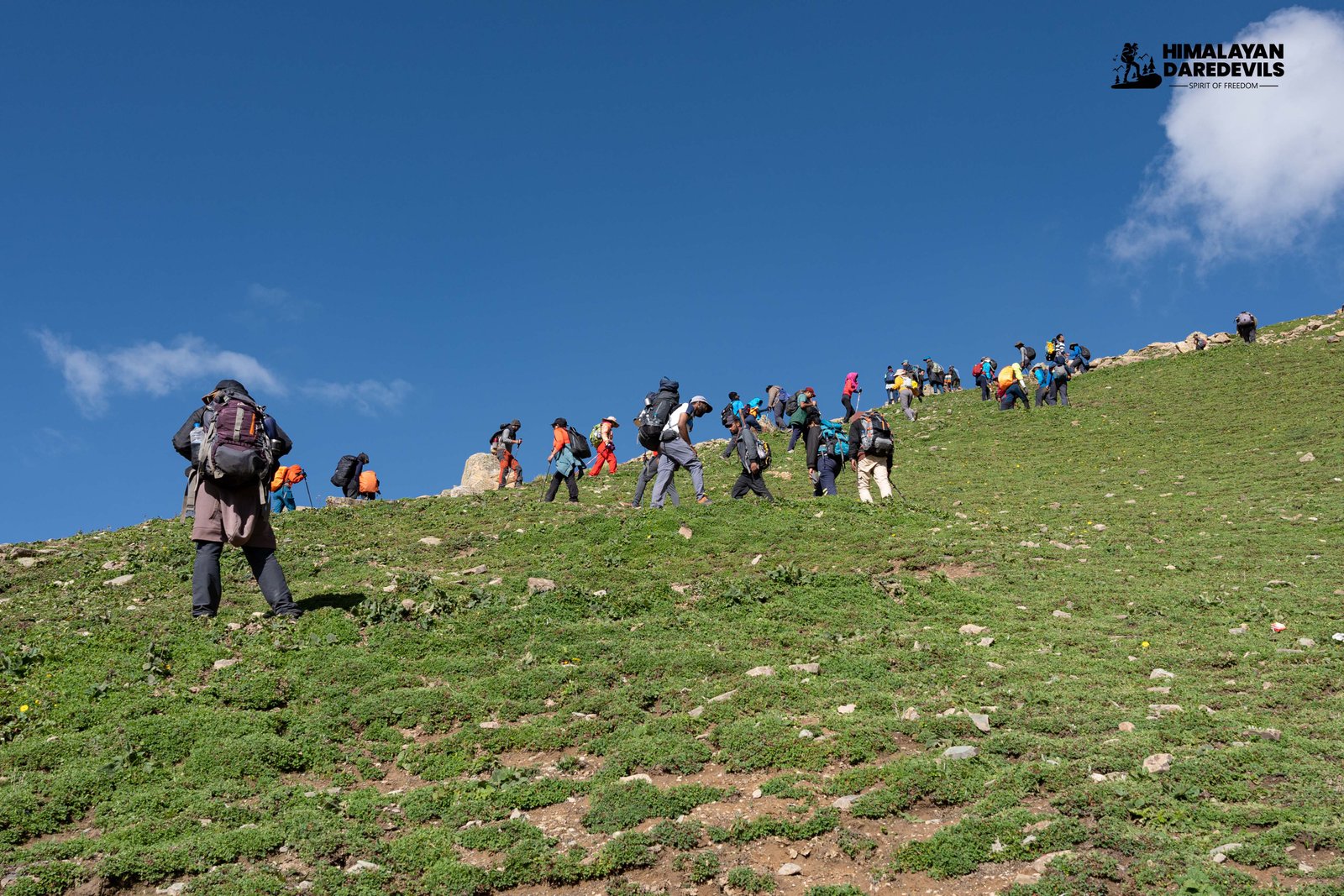
This trek is meant for trekkers who already understand altitude and exposure. You should be comfortable walking on uneven terrain, handling cold nights, and following strict safety instructions around glaciers.
It is not ideal for first-time trekkers. Beginners are better off starting with forest or valley routes before attempting something as open and demanding as Gaumukh Tapovan.
Physical fitness matters, but mental readiness matters more here.
Final Thoughts: Choosing the Right Time
Gaumukh Tapovan is not about ticking off a destination. It is about timing your journey correctly. When done in the right season, the Gaumukh Tapovan Trek becomes a deeply rewarding experience - challenging, spiritual, and visually unforgettable. When attempted at the wrong time, however, it turns unnecessarily risky.
If you plan carefully, respect the mountain, and choose your season wisely, this journey with Himalayan Daredevils can offer one of the most powerful Himalayan experiences available in India.
Frequently Asked Questions – Gaumukh Tapovan Trek
1. What is the best time to do the Gaumukh Tapovan Trek?
The best time is June and September. June offers manageable snow and stable glacier conditions, while September gives clear skies, safer trails, and the best mountain views. These months balance safety and experience better than any other period.
2. Is Gaumukh Tapovan Trek possible in monsoon months?
No, the trek is not recommended during July and August. Heavy rainfall increases landslide risk on the Gangotri route, glaciers become unstable, and cloud cover blocks visibility. Most experienced trekking teams avoid operating during this time.
3. How cold does it get on the Gaumukh Tapovan Trek?
Even in the best season, nights are cold.
June nights: around 0°C to -5°C
September nights: -2°C to -6°C
October nights: can drop below -8°C
Cold winds at Tapovan often make it feel colder than the actual temperature.
4. Is Gaumukh Tapovan Trek suitable for beginners?
No, this trek is not suitable for first-time trekkers. The route involves glacier walking, exposed terrain, and high altitude. Trekkers should have prior experience on moderate Himalayan treks before attempting Gaumukh Tapovan.
5. How difficult is the Gaumukh Tapovan Trek?
The trek is considered moderate to difficult. While daily walking distances are not extreme, altitude gain, cold conditions, and glacier crossings make it physically and mentally demanding.
6. Do I need technical climbing skills for Gaumukh Tapovan?
No technical climbing skills are required, but trekkers must be comfortable walking on ice, snow, and uneven moraines. Good balance, stamina, and the ability to follow guide instructions are essential.
7. Why is September considered the best overall month?
September comes after the monsoon, when the air is clean and visibility is at its best. Trails dry out, glaciers stabilize again, and Tapovan meadows turn golden. It is the most reliable month for both safety and scenery.
8. Is camping allowed at Tapovan?
Camping rules at Tapovan depend on forest department regulations and current environmental guidelines. Campsites are strictly controlled to protect the fragile ecosystem, and trekkers must follow approved camping zones and group limits.