10 March 2026
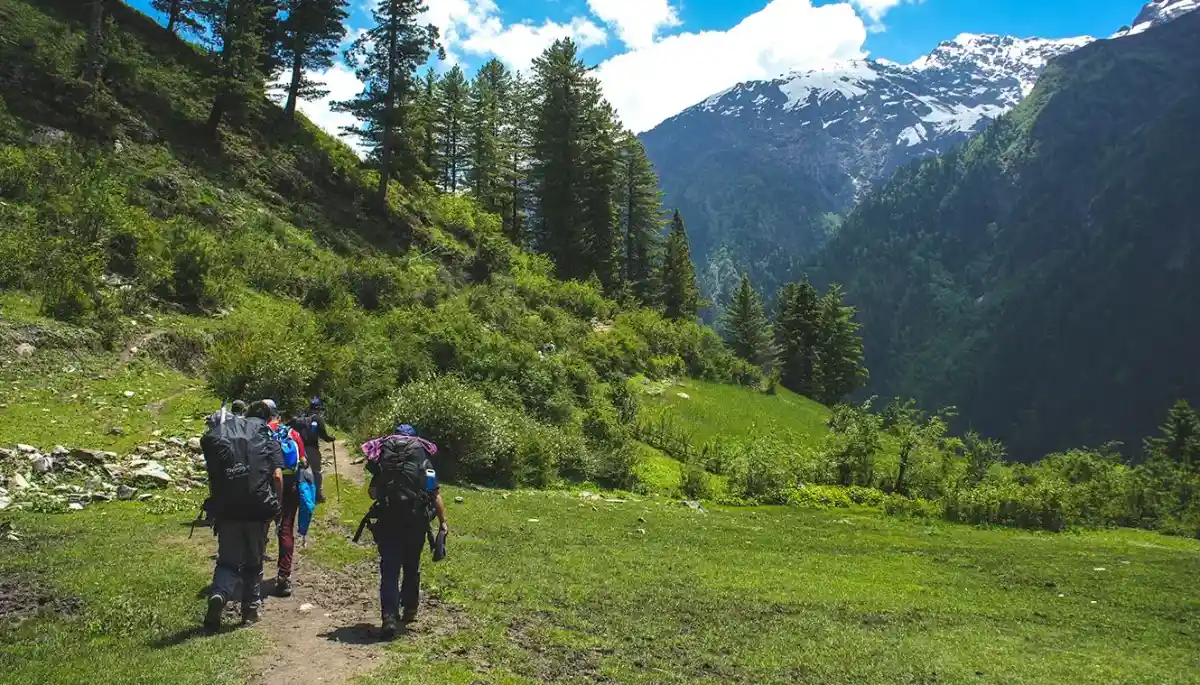
Most people talk about the views when they describe the BuranGhati Trek. They mention the meadows, the snow wall, and the dramatic pass crossing.
But there is another side to this journey.
Before the high ridges and alpine lakes, the trail passes through living villages. Real homes. Wooden temples. Apple orchards. Shepherd trails that existed long before trekking groups arrived.
If you slow down and look beyond the mountains, the Buran Ghati route tells quiet cultural stories. And those stories stay with you long after the trek ends.
Janglik – Where the Journey Truly Begins
The trek starts from Janglik, a small village in Himachal Pradesh. It doesn’t feel touristy. It feels lived-in.
Wooden houses with slate roofs stand close together. Prayer flags flutter near small shrines. You may see elderly villagers sitting outside, weaving or sorting grains.
Children often watch trekkers with curiosity. Some wave. Some ask simple questions. It’s a reminder that this trail is not just a trekking route. It is someone’s home.
The architecture itself tells stories. Traditional Kath-Kuni style wooden construction helps homes survive harsh winters. Thick walls keep warmth inside. Sloped roofs handle snowfall.
Spending even one evening here gives you a glimpse of Himalayan village life that is rarely seen in cities.
If you want a complete overview of how the trail progresses from Janglik into the high mountains, this detailed Buran Ghati Trek guide walks you through each stage.
Farming Life in the Hills
Before the forests begin, you pass terraced fields carved carefully into the slopes.
Locals grow potatoes, rajma, barley, and seasonal vegetables. Apple orchards are common in this region. During harvest season, you may see families working together in the fields.
Life here follows nature’s rhythm. Summers are short but productive. Winters are long and harsh.
There are no supermarkets nearby. Most families depend on what they grow or store before snowfall blocks access roads.
For trekkers, this is a small detail. For villagers, it is survival.
Watching daily life unfold as you begin your climb adds depth to the trek. It connects you to the land before you even reach the dramatic landscapes.
Forest Beliefs and Sacred Spaces
As the trail enters dense pine and oak forests, you may notice small shrines placed along the way.
Many Himalayan communities believe forests are sacred. Certain trees are not cut. Certain spots are considered protected by local deities.
Shepherds often say a short prayer before moving livestock across higher grazing grounds.
Even today, faith and folklore shape life in these mountains.
Some stories speak of local gods protecting villages from landslides. Others describe spirits believed to guard high passes. Whether you believe them or not, these tales are woven into the culture of the region.
The trek is not just about physical movement. It is about walking through layers of belief and tradition.
The Shepherds of the High Meadows
As you reach Dayara and beyond, you may encounter shepherds during grazing season.
They move with large flocks of sheep and goats, setting up temporary shelters in alpine meadows. Their lives are nomadic for months at a time.
They know the terrain better than any map. They understand weather patterns by reading clouds and wind direction. They move before storms arrive.
A short conversation with them reveals how different their life is from ours. No fixed office. No fixed home during summer. Just mountains and movement.
Their presence reminds you that these meadows are not empty. They are working landscapes.
If you’re curious why this route feels more immersive compared to others, this article on the top reasons to choose Buran Ghati Trek explains how its cultural and landscape diversity makes it unique.
Seasonal Festivals and Local Traditions
Villages near the Buran Ghati region celebrate local fairs dedicated to regional deities. These events include music, traditional dance, and community feasts.
While trekkers may not always witness a festival directly, guides often share stories about them during evening camps.
Traditional Himachali dance forms, colorful woolen attire, and local instruments are still part of village gatherings.
Marriage ceremonies, harvest festivals, and temple events remain strong social anchors in these communities.
Modern influences have reached these villages, but traditions still hold firm.
Food That Reflects the Region
Before and after the trek, you may taste simple Himachali meals in homestays or local houses.
Rajma-chawal made from locally grown beans tastes different here. It’s fresh. Earthy. Honest.
Siddu, a traditional steamed bread, is common in this region. So is ghee made from local dairy.
Meals are not elaborate. But they are filling. They reflect the practical needs of people living in cold, high-altitude regions.
Food here is not about variety. It is about nourishment.
Changing Lifestyles in the Mountains
Like many Himalayan regions, this area is slowly changing.
Younger generations often move to cities for education and jobs. Some return to support tourism. Others stay away permanently.
Trekking has created seasonal income opportunities for local youth. Many work as guides, porters, cooks, or support staff during peak months.
This blend of traditional life and modern opportunity shapes the present-day story of the Buran Ghati region.
If you are comparing this trail with another culturally rich crossover like Rupin Pass, this comparison of Buran Ghati Trek vs Rupin Pass Trek highlights how local experiences differ between the two.
Respecting Local Life as a Trekker
Understanding culture also means respecting it.
Simple actions matter:
Ask before taking photos of people.
Avoid loud music in villages.
Do not litter near homes or water sources.
Dress modestly while passing through settlements.
Trekkers are guests in these spaces.
The mountains may feel wild and open, but the lower stretches of the trail belong to communities who have lived here for generations.
The Role of Season in Cultural Experience
Your experience of local life changes depending on when you visit.
In pre-monsoon months, shepherd movement increases. In post-monsoon months, farming activity slows as winter approaches.
Snowfall can isolate villages during peak winter. That isolation shapes strong community bonds.
If you are planning your trip, understanding the best time for Buran Ghati Trek will not only help with weather conditions but also influence what kind of local activity you witness.
Culture Beyond the Village – Stories of the Pass
Even the high Buran Pass has its own stories.
Local legends sometimes describe ancient trade routes crossing these mountains. While modern trekking routes are recreational, older paths were once used for movement between valleys.
Crossing the pass today feels adventurous. But historically, such crossings were necessary for survival and trade.
If you are preparing for the physical side of this experience, reading about the difficulties of Buran Ghati Trek will give you a realistic understanding of what to expect beyond the cultural aspects.
More Than Just a Mountain Trail
The Buran Ghati Trek is often marketed for its snow wall, meadows, and dramatic summit day.
But if you pay attention, it offers something deeper.
It shows you:
How Himalayan villages survive harsh winters
How faith shapes forest practices
How shepherds live in seasonal migration
How traditions adapt to modern tourism
These details are easy to miss if you rush.
Take time to talk to your guides. Ask about local customs. Notice the architecture. Observe how villagers interact.
The trek becomes richer when you see it as more than a climb.
For complete itinerary details and planning support, visit the official Buran Ghati Trek page and prepare for both the natural and cultural journey ahead.
Because in the end, mountains impress you with height.
But people, stories, and local life, they stay with you longer.