10 March 2026
The Buran Ghati Trek is one of the most exciting and challenging treks in the Indian Himalayas. Situated in the Himachal Pradesh region, this trek offers a mix of thrilling ascents, breathtaking views, and the ultimate adventure experience. It's an ideal choice for those who are looking for something beyond a simple walk in the mountains, but it also comes with its challenges.
While the Buran Ghati Trek is often considered to be moderate in difficulty, it can also lean toward the difficult side, especially for trekkers who are not fully prepared or lack prior trekking experience. In this blog, we’ll break down why the Buran Ghati Trek is considered moderate-to-difficult, highlighting its terrain, altitude, technical sections, and other factors that make it a challenging but rewarding journey.
What Makes Buran Ghati Trek Moderate-to-Difficult?
1. The Altitude Gain Is Real — And It Hits You Gradually
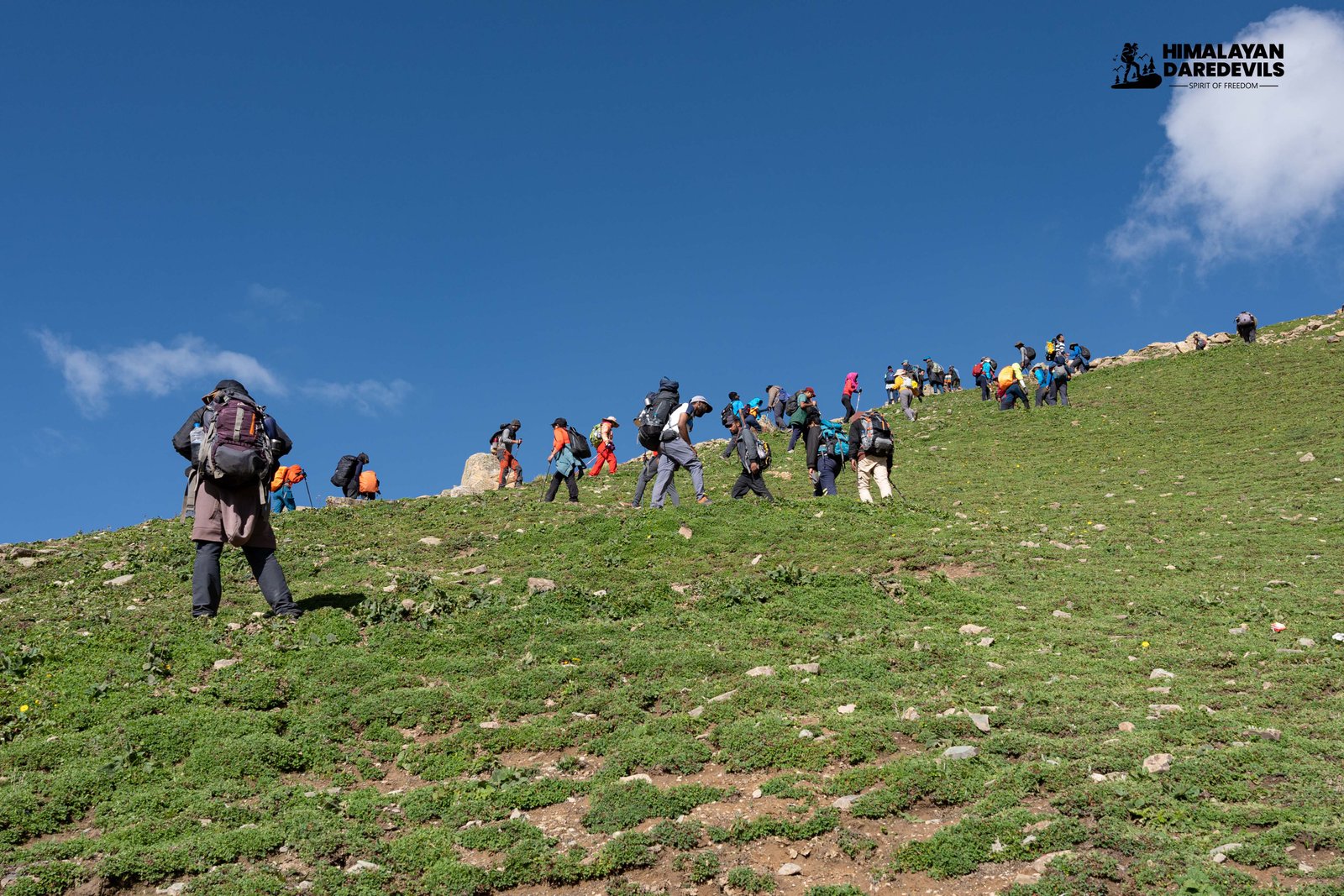
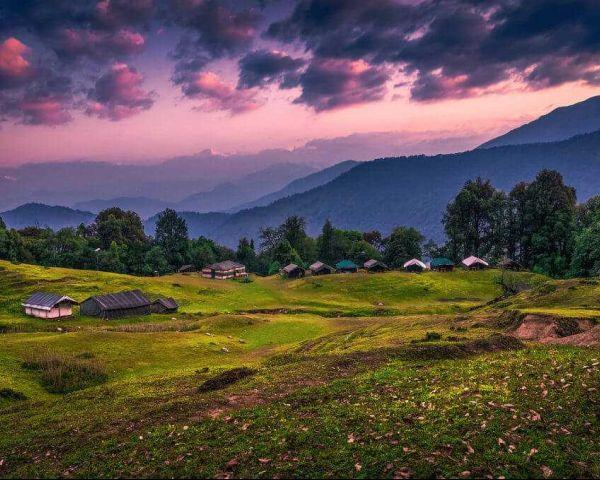
The trek begins from Janglik village at a comfortable elevation. The first two days feel manageable. You walk through forests and open grasslands. Campsites like Dayara feel almost gentle.
But as you move toward Litham and then the pass, the climb becomes serious.
The pass stands at roughly 15,000 ft. Once you cross 12,000 ft, your body works harder. Breathing feels deeper. Small climbs feel longer. Recovery slows down.
It’s not extreme altitude compared to expedition peaks, but it is high enough to demand proper acclimatization and good stamina.
If you want a full day-wise breakdown of altitude, route, and campsites, the detailed Buran Ghati Trek itinerary will give you a clear picture.
2. The Summit Day Is Long and Demanding
This is where the trek earns its “difficult” tag.
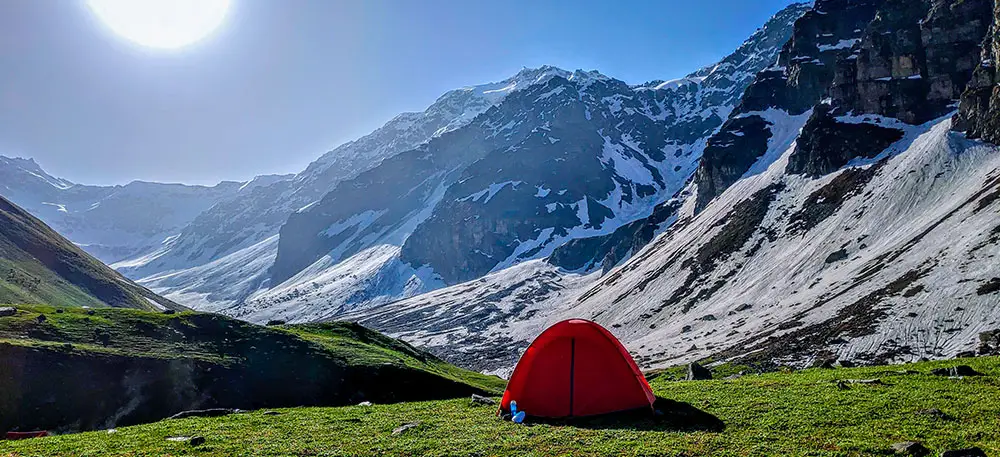
Summit day usually starts before sunrise. The climb toward Buran Pass includes steep sections. Depending on the season, you may encounter snowfields. In early summer, the snow wall near the pass can feel intimidating for first-timers.
Reaching the top is emotional. The views open up. But the real test often begins during the descent.
The descent from the pass is steep and requires focus. In snowy months, trekkers may descend through controlled sliding under supervision. In dry months, loose rocks and scree demand careful footing.
It’s not technical mountaineering. But it is physically draining.
If you want a deeper look at what exactly makes this stretch tough, read this detailed post on the difficulties of Buran Ghati Trek.
3. Constant Terrain Changes Keep You Alert
Some treks follow one predictable pattern. Buran Ghati does not.
You walk through:
Dense pine forests
Wide alpine meadows
River crossings
Snow slopes
Rocky ridgelines
Glacial terrain
Your body keeps adjusting. Meadows feel relaxed. Snow demands balance. Rocky descents test your knees.
This variation makes the trek exciting, but it also adds physical strain. There is no “easy cruise” day after the midpoint.
If you’re confused between this trek and another crossover route, this comparison of Buran Ghati Trek vs Rupin Pass Trek will help you decide which one suits your experience level better.
4. Weather Can Change Without Warning
In the Himalayas, weather is part of the challenge.
Morning can feel calm and sunny. By afternoon, clouds roll in. Wind speeds increase near the pass. Temperatures drop sharply after sunset.
Pre-monsoon months may bring snow patches. Post-monsoon months offer clearer skies but colder nights.
This unpredictability adds a layer of difficulty. You must carry proper layers. You must stay hydrated even when you don’t feel thirsty.
Choosing the right season reduces unnecessary risk. You can explore the best time for Buran Ghati Trek to plan wisely.
5. It Demands Good Physical Fitness
Let’s be direct.
If you are not physically active, this trek will feel hard.
You should be comfortable walking 6–8 hours a day with a backpack. Your legs should handle long descents. Your lungs should handle steady climbs.
A few weeks of preparation makes a huge difference. Focus on:
Cardio (running, stair climbing)
Leg strength
Core stability
Endurance walks
Trekkers who prepare properly often describe the trek as challenging but enjoyable. Those who don’t prepare struggle, especially on summit day.
6. The Snow Wall Factor
One of the most talked-about parts of this trek is the snow wall near the pass (usually visible in early season departures).
Standing at the base of it can feel overwhelming if you’ve never walked on snow before.
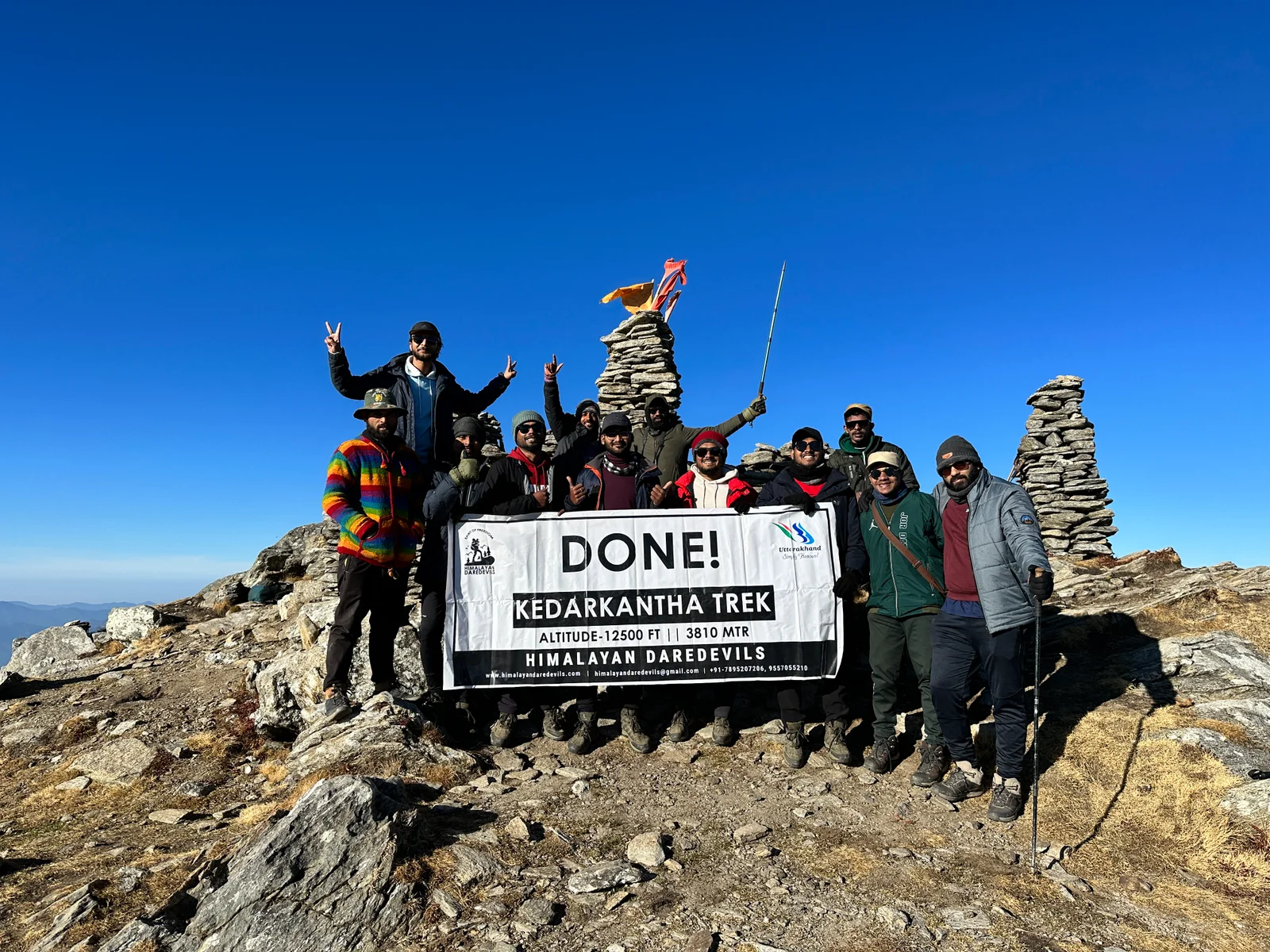
With proper guidance and equipment, it is manageable. But mentally, it pushes you out of your comfort zone. That psychological challenge is part of why the trek is rated higher than beginner-friendly routes like Kedarkantha.
7. The Descent Tests Your Knees
Many trekkers focus only on the climb. But in Buran Ghati, the descent can be tougher.
Long downhill stretches after crossing the pass can strain your knees and quads. If you do not use proper trekking technique, fatigue builds quickly.
Trekking poles help. So does pacing yourself.
This is not a trek where you can rush.
8. It’s Not Ideal for Absolute Beginners
Can a first-time trekker attempt it?
Yes — but only if they train well and understand what they are stepping into.
If someone has never done a Himalayan trek before, starting with an easier route may be wiser. However, fit beginners who want a serious challenge often choose Buran Ghati for its dramatic variety.
If you’re still researching and want a broader understanding of what makes this trek special beyond difficulty, read the top reasons to choose Buran Ghati Trek. It will help you see why so many trekkers pick it despite the challenge.
9. Mental Endurance Matters as Much as Physical Strength
Long walking hours. Cold mornings. Thin air. Unpredictable weather.
At some point, the trek becomes a mental game.
You need patience. You need steady breathing. You need to keep moving even when your legs feel heavy.
That is exactly why finishing this trek feels deeply satisfying.
Final Thoughts: Challenging, But Worth Every Step
The Buran Ghati Trek is considered moderate-to-difficult because it combines:
High altitude
A long summit day
Snow sections (seasonal)
Steep descent
Constant terrain variation
Physical endurance requirement
It is not extreme. It is not technical mountaineering. But it is far more than a casual mountain walk.
If you prepare properly, choose the right season, and understand the terrain in advance, it becomes one of the most rewarding Himalayan experiences you can have.
For complete details, including itinerary, inclusions, exclusions, and upcoming batches, explore the official Buran Ghati Trek and plan your adventure with clarity.
Because in the end, the difficulty is what makes the view from the top unforgettable.