28 January 2026
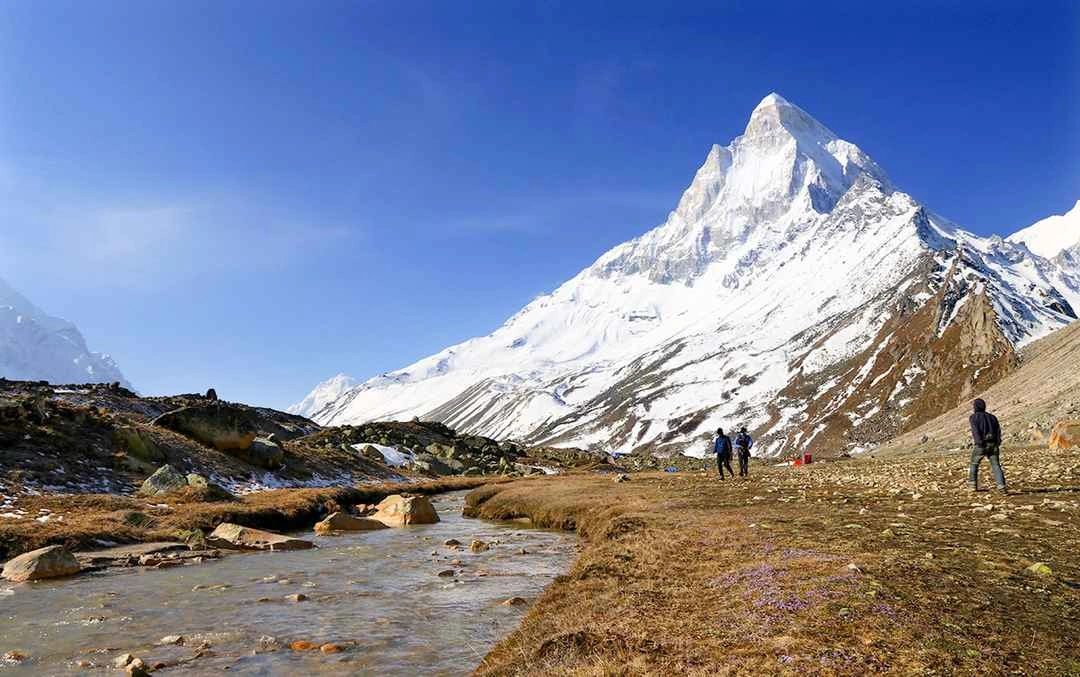
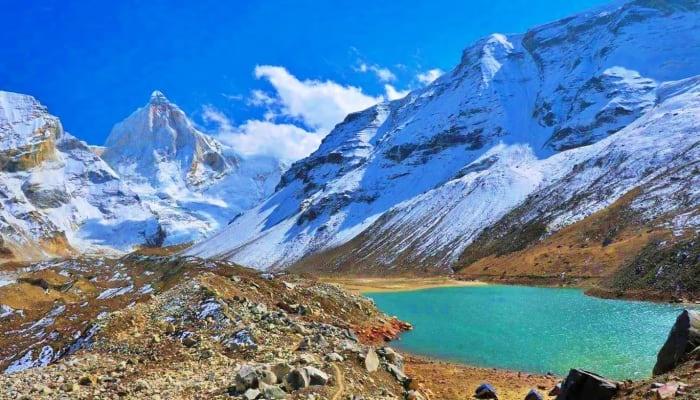
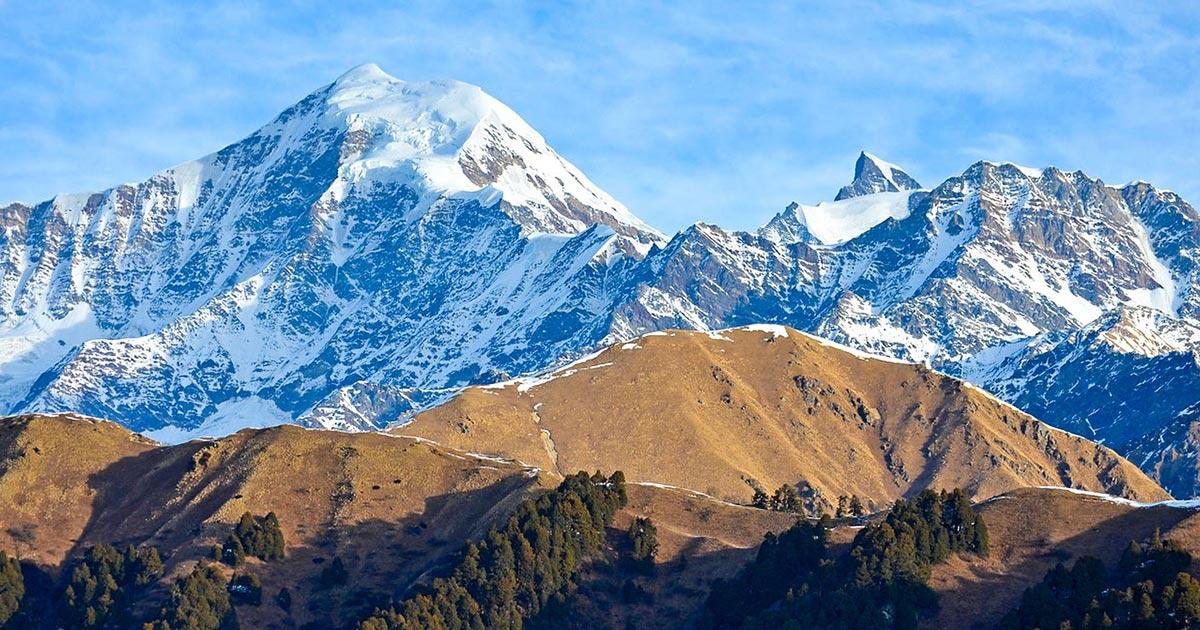
The Black Peak Expedition Trek is one of the most challenging and thrilling high-altitude Himalayan expeditions. Located in the Garhwal region of Uttarakhand, this trek features steep ridges, snow-covered slopes, and panoramic alpine views. Selecting the right time for this trek is crucial for both safety and summit success.
This guide provides a month-by-month breakdown of trail conditions, snow coverage, and weather, helping trekkers plan their Black Peak Expedition Trek efficiently, whether you are a beginner with prior trekking experience or an experienced mountaineer.
Why Timing Matters for Black Peak Expedition
Black Peak reaches an altitude of over 21,000 ft and is considered a technical peak. Unlike easier treks such as the Kedarkantha Trek, this expedition requires careful planning around snow conditions, glacier stability, and weather windows. Attempting the trek outside the recommended season can result in:
Unstable snow bridges and glacier crossings
Avalanche-prone slopes
Poor visibility and extreme weather
Limited access to base camps
The correct timing ensures safer climbing conditions, predictable weather, and higher summit success rates.
Month-by-Month Best Time for Black Peak Expedition Trek
April – Early Season Preparation
April marks the start of the climbing season. Snow is still deep, and higher camps may be inaccessible without technical gear.
Weather & Trail Conditions:
Day: -2°C to 8°C
Night: -10°C to -15°C
Trails: Deep snow, partially frozen glaciers
Who should go: Only highly experienced mountaineers or acclimatized climbers.
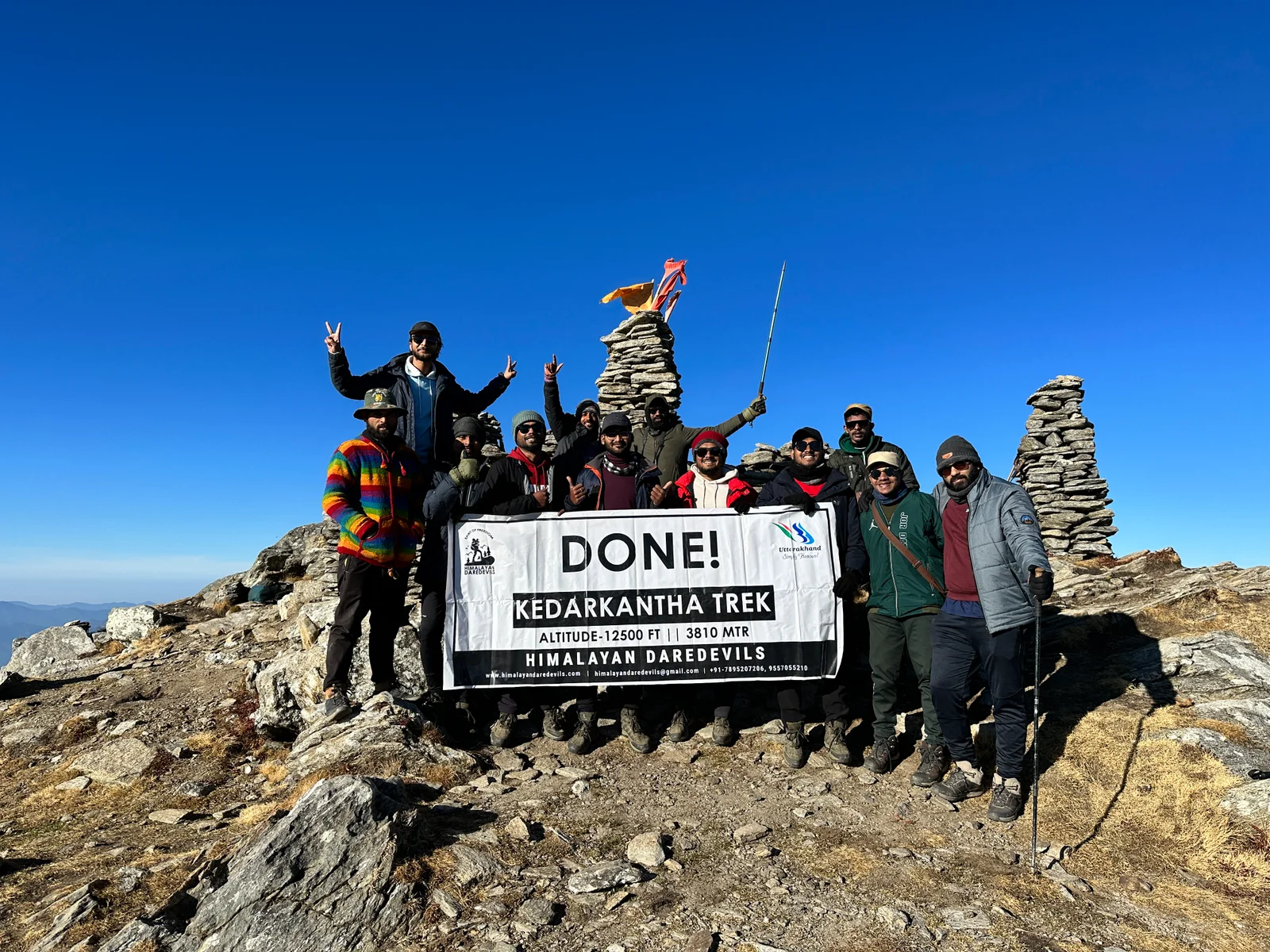
Preparation Tip: Trekkers can gain experience on Kedarkantha Trek before attempting Black Peak.
May – Prime Snow Expedition
May is the ideal month for Black Peak Expedition Trek. Snow is still present but slightly consolidated, making it suitable for ice axe and crampon techniques. Summit attempts are safer, and daylight hours are long enough for technical climbing.
Weather & Trail Conditions:
Day: 5°C to 12°C
Night: -5°C to -12°C
Snow: Firm, ideal for technical climbing
Who should go: Fit trekkers with prior high-altitude experience.
Pro Tip: Climbers can gain snow trekking practice on Roopkund Trek before attempting Black Peak.
June – Safer Climbing Window
By June, the weather improves at lower camps, and glacier routes are more stable. Snow still covers higher sections, providing technical challenges without extreme risks.
Weather & Trail Conditions:
Day: 8°C to 15°C
Night: -3°C to -8°C
Snow: Remaining patches at high camps, trails mostly visible
Who should go: Trekkers looking for a balanced expedition combining snow climbing and safer conditions.
July – Monsoon & Risky Conditions
July is not recommended. Monsoon rains make glacier crossings unstable and increase avalanche risks. Trails are slippery, and rivers swell rapidly.
Trekkers during this period are better off exploring Valley of Flowers Trek for alpine scenery in the monsoon season.
August – Limited Operations
Similar to July, August is risky. Lower camps may be accessible, but summit attempts are unsafe due to soft snow, rockfall hazards, and unpredictable weather.
September – Post-Monsoon Window
September is the second-best window for the Black Peak Expedition Trek. Snow is stable, skies are clear, and trails are safer for summit pushes.
Weather & Trail Conditions:
Day: 6°C to 14°C
Night: -2°C to -8°C
Snow: Mostly firm at higher camps
Who should go: Experienced mountaineers and trekkers seeking clear skies and post-monsoon alpine views.
October – For Experienced Climbers Only
October provides excellent visibility but comes with rapidly dropping temperatures and early snowfall. Only seasoned climbers should attempt the peak during this month.
Tips for Beginners & Preparation
May–June is ideal for beginners who have prior high-altitude trekking experience.
September is suitable for those with good acclimatization and prior snow trekking practice.
Preparatory treks like Kedarkantha Trek or Roopkund Trek help build strength, stamina, and snow trekking skills.
Frequently Asked Questions – Black Peak Expedition Trek Best Time
1. What is the best time for Black Peak Expedition Trek?
The best months are May, June, and September. May offers prime snow climbing, June provides safer trails, and September gives clear skies post-monsoon.
2. Is Black Peak Trek suitable for beginners?
Yes, if attempted in May or June with prior experience, proper guides, and good fitness levels.
3. Can Black Peak be climbed during monsoon?
No, July and August are unsafe due to heavy rain, melting snow, and avalanche risks.
4. How cold does it get on Black Peak Trek?
Daytime temperatures range 5°C–15°C, while nights can drop to -12°C to -15°C in higher camps.
5. Which other treks can help prepare for Black Peak?
Treks like Kedarkantha Trek and Roopkund Trek are excellent for gaining high-altitude and snow trekking experience.
6. Are there post-monsoon alternatives nearby?
Yes, Valley of Flowers Trek offers stunning alpine scenery during monsoon and post-monsoon months.