25 December 2025
Understanding the Sar Pass Trek difficulty level is essential before planning this Himalayan adventure. While Sar Pass is often promoted as a beginner-friendly trek, the reality is slightly more nuanced. The trek includes long walking hours, steep ascents, snow-covered trails, and a demanding high-altitude pass crossing, all of which directly affect its difficulty.
Located in Himachal Pradesh and starting from the Kasol region, the Sar Pass Trek reaches an altitude of approximately 13,800 ft, which introduces altitude-related challenges for many trekkers. The difficulty of this trek depends on the season, fitness level, and prior trekking experience.
Overall Difficulty Rating of Sar Pass Trek
Is Sar Pass Trek Easy, Moderate, or Difficult?
The Sar Pass Trek is best classified as a Moderate trek, but it can feel Moderate–Difficult under certain conditions.
Difficulty Summary:
Altitude: High (13,800 ft)
Daily walking hours: 5–8 hours
Terrain: Forests, meadows, snowfields, steep descents
Technical sections: Snow slopes near the pass
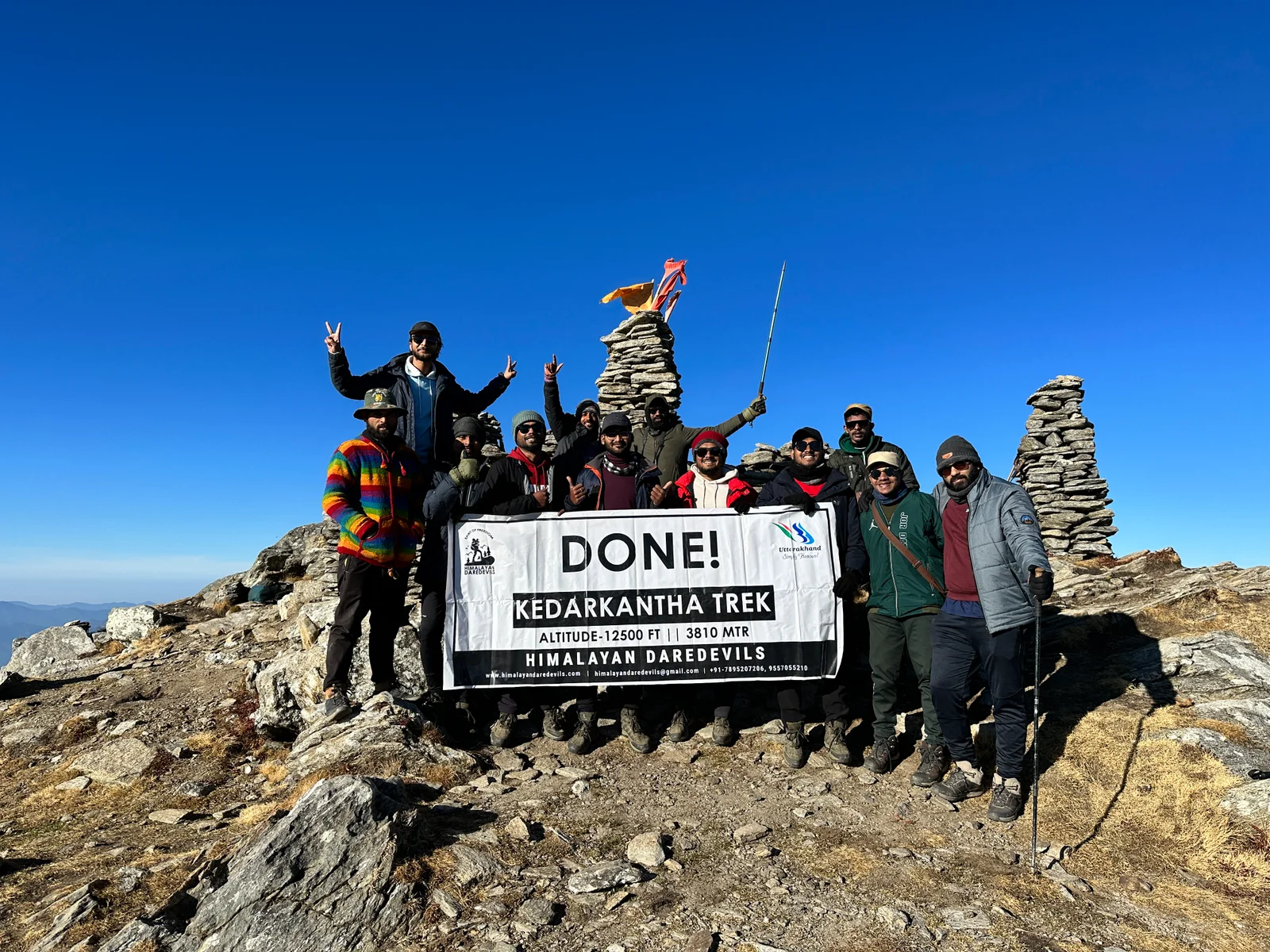
Compared to easier Himalayan treks like the Kedarkantha Trek, Sar Pass demands better endurance and mental resilience, especially on summit day.
Sar Pass Trek Difficulty by Terrain
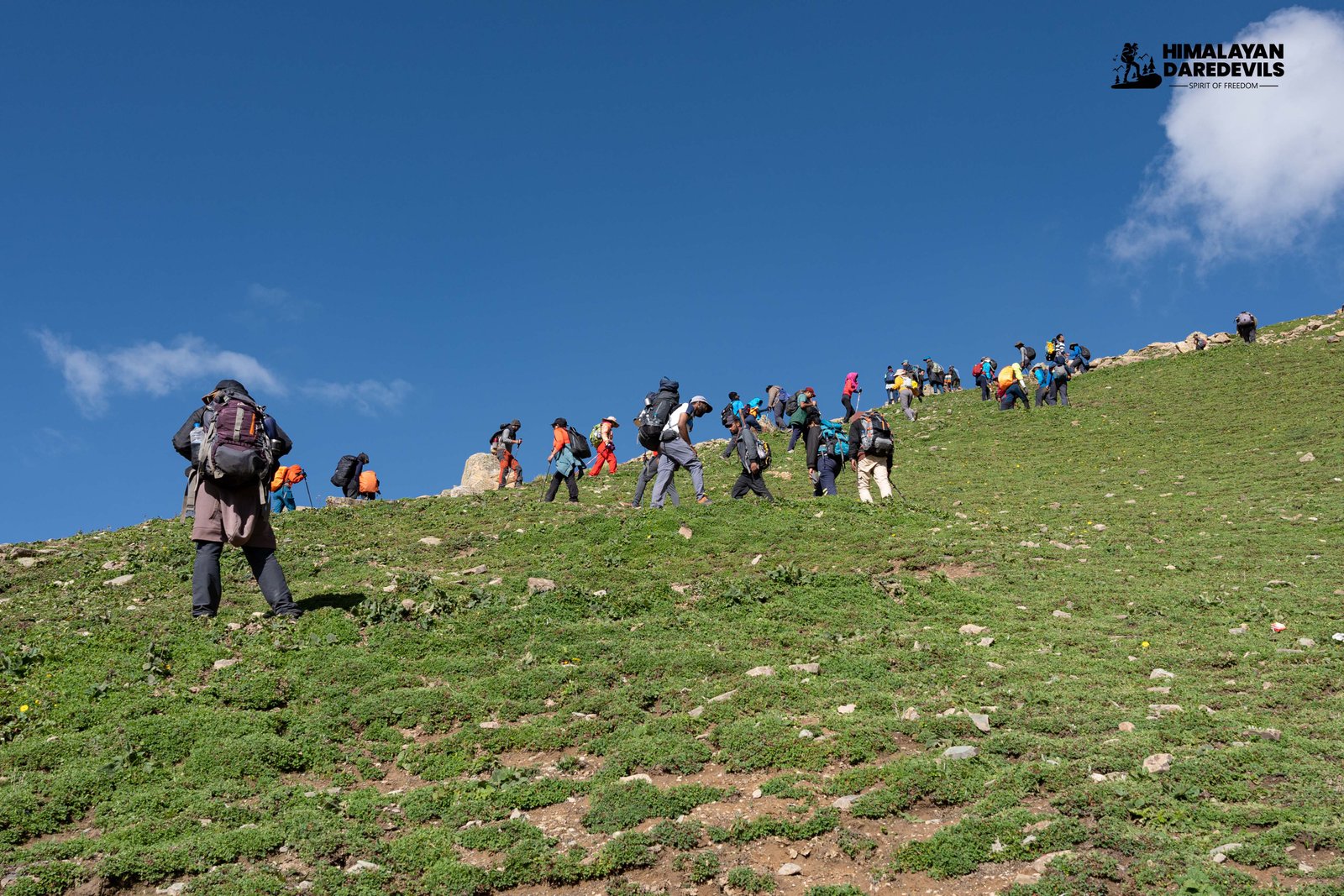
Trail Conditions You Should Expect
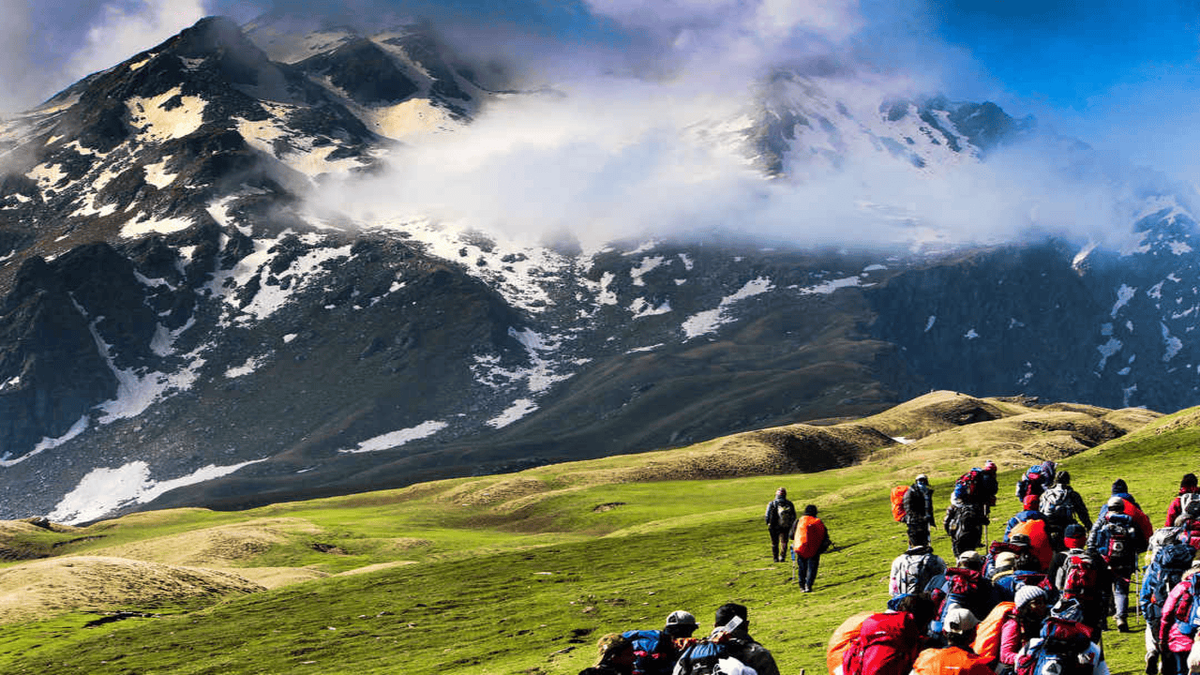
The difficulty of Sar Pass Trek comes mainly from changing terrain rather than altitude alone.
You will encounter:
Dense pine forests with gradual ascents
Alpine meadows with uneven trails
Snow-covered slopes near Nagaru Camp
A steep and long descent from Sar Pass to Biskeri Thach
The descent day is often more exhausting than the ascent, especially when snow is present. Compared to treks like Bhrigu Lake Trek, Sar Pass involves more continuous walking and less margin for fatigue.
Sar Pass Trek Difficulty Due to Snow & Season
How Snow Impacts the Difficulty Level
Snow significantly increases the Sar Pass Trek difficulty level, particularly in May.
Walking on snow requires balance and stamina
Slips are common without proper technique
Pass crossing becomes physically demanding
In June, the snow gradually reduces, making trails clearer and lowering overall difficulty. This is why season selection plays a critical role in determining how challenging the trek feels.
Sar Pass Trek Difficulty for Beginners
Is Sar Pass Trek Suitable for First-Time Trekkers?
Yes, Sar Pass Trek can be done by beginners, but only if:
They are physically fit
They trek during the right season (late May–June)
They go with an experienced trek operator
Beginners should be prepared for long summit day hours (8–10 hours) and cold conditions at higher camps. Compared to beginner treks like the Kheerganga Trek, Sar Pass is more demanding but far more rewarding.
Fitness Level Required for Sar Pass Trek
How Fit Do You Need to Be?
To manage the Sar Pass Trek difficulty level, trekkers should:
Jog or brisk walk 5 km in 30–35 minutes
Be comfortable with stairs or uphill walking
Train consistently for at least 4–6 weeks
Strong legs, good cardio endurance, and mental focus are more important than prior trekking experience.
Sar Pass Trek Difficulty Compared to Other Treks
How Sar Pass Stands Among Himalayan Treks
Harder than Kedarkantha Trek
More demanding than the Bhrigu Lake Trek
Less technical than the Rupin Pass Trek
Comparable to the Hampta Pass Trek in effort
Final Verdict – Is Sar Pass Trek Difficult?
The Sar Pass Trek difficulty level is Moderate, but it becomes challenging without proper preparation or during heavy snow conditions. With the right fitness, season, and guidance, it is an achievable and highly rewarding trek - even for motivated beginners.
For complete route details, safety measures, and expert-led batches, visit the Sar Pass Trek page by Himalayan Daredevils.
Frequently Asked Questions – Sar Pass Trek Difficulty Level
1. How difficult is the Sar Pass Trek?
The Sar Pass Trek difficulty level is Moderate, but it can feel moderate to difficult depending on the season and snow conditions. Long walking hours, steep descents, and a high-altitude pass crossing make it more demanding than many beginner treks.
2. Is Sar Pass Trek suitable for beginners?
Yes, Sar Pass Trek is suitable for beginners, provided they are physically fit and choose the right season. Late May to early June is ideal, as trail conditions are safer and snow is manageable under expert guidance.
3. What makes Sar Pass Trek challenging?
The main challenges of Sar Pass Trek include:
Long summit day (8–10 hours)
Snow-covered slopes near the pass
Steep descent from Sar Pass to Biskeri Thach
High altitude of around 13,800 ft
These factors together define the trek’s difficulty level.
4. Does snow increase Sar Pass Trek difficulty?
Yes, snow significantly increases the difficulty of Sar Pass Trek, especially in May. Walking on snow requires balance, stamina, and careful foot placement, making the trek more physically demanding compared to June when trails are clearer.
5. How fit do I need to be for Sar Pass Trek?
To handle the Sar Pass Trek difficulty level, trekkers should have good cardiovascular fitness. You should be able to:
Walk or jog 5 km in about 30–35 minutes
Carry a light backpack for several hours
Manage continuous uphill and downhill walks
Consistent training for 4–6 weeks is recommended.
6. How does Sar Pass Trek compare to Kedarkantha Trek in difficulty?
Sar Pass Trek is more difficult than Kedarkantha Trek. While Kedarkantha is ideal for beginners, Sar Pass involves longer walking days, higher altitude, and steeper terrain, making it better suited for fit beginners or intermediate trekkers.
7. Is Sar Pass Trek safe despite its difficulty?
Yes, Sar Pass Trek is safe when done during the recommended season and with an experienced trekking operator. Proper acclimatization, trained guides, and correct equipment greatly reduce risks associated with altitude and terrain.
8. What is the best season to manage Sar Pass Trek difficulty?
The best season to manage Sar Pass Trek difficulty is from mid-May to June. During this time, weather conditions are stable, snow is manageable, and the trail is well-defined, making the trek safer and more enjoyable.