28 January 2026
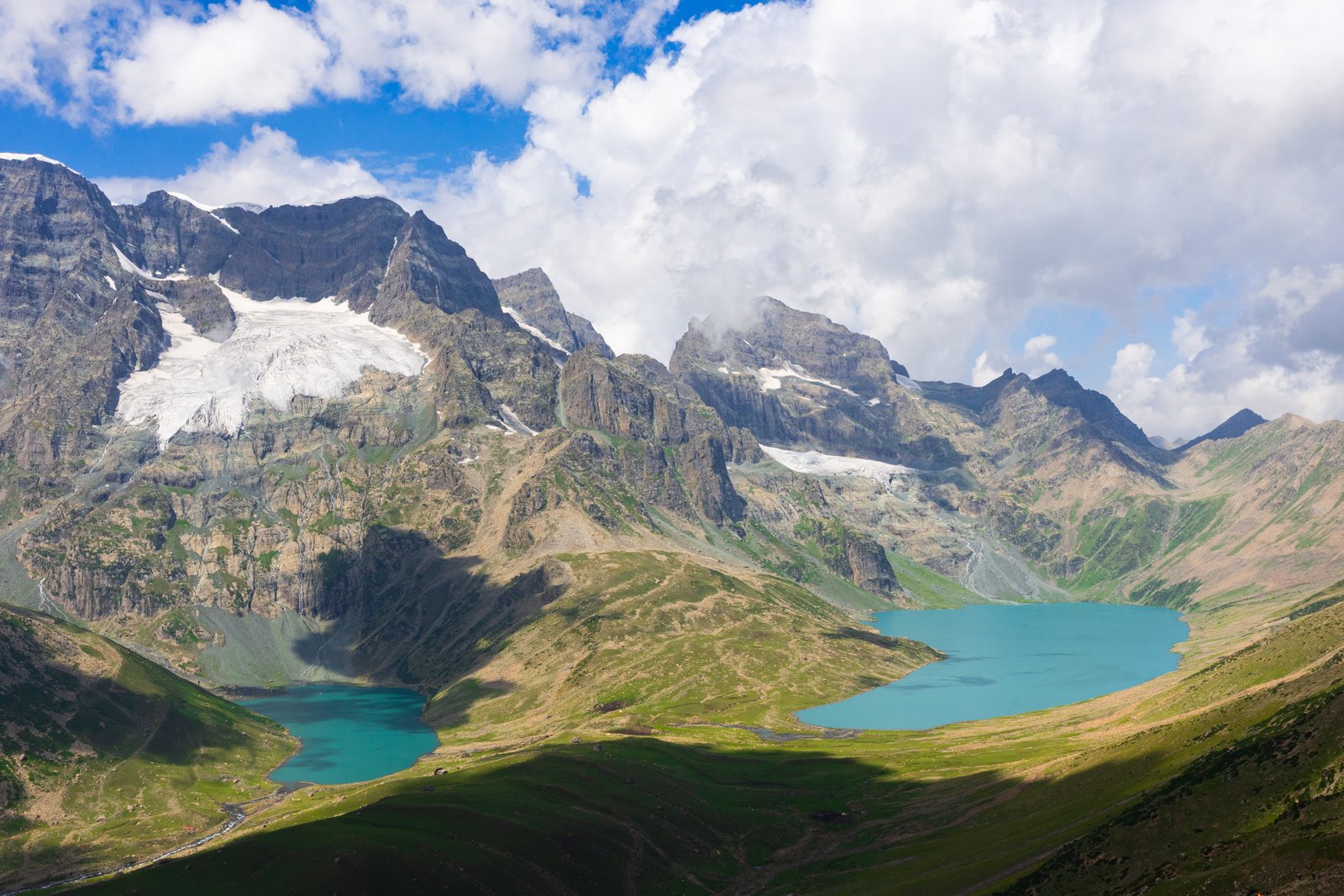
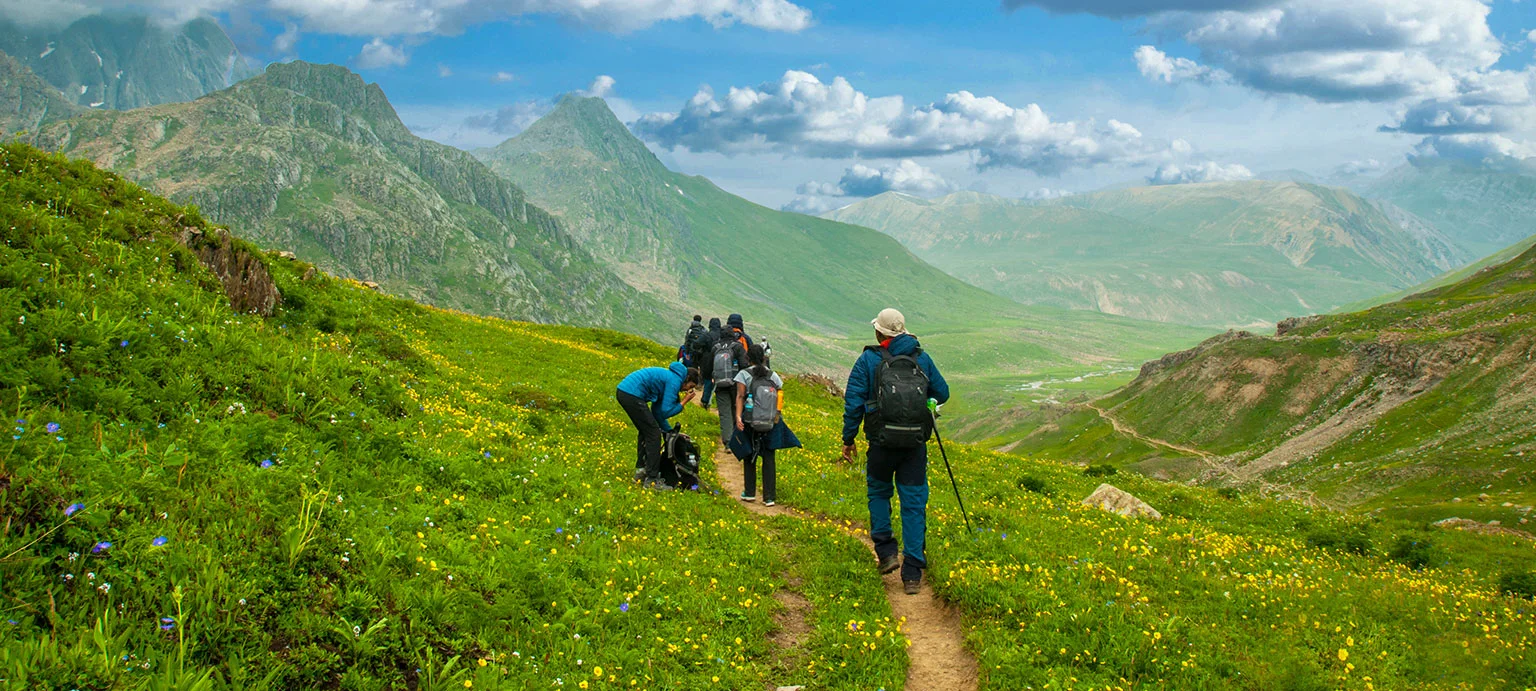
The Kashmir Great Lakes Trek is one of the most scenic high-altitude treks in India, famous for its chain of pristine alpine lakes, rolling meadows, and dramatic Himalayan backdrops. However, this trek is highly seasonal, and choosing the right time is critical for safety and overall experience.
The trekking window for the Kashmir Great Lakes Trek usually opens in late June and closes by the first week of September. Outside this period, heavy snow, unstable passes, and unpredictable weather make the route unsafe.
Why Choosing the Right Time for Kashmir Great Lakes Trek Is Important
Reaching an altitude of around 13,750 ft, the trek crosses exposed mountain passes and long alpine stretches. Attempting it at the wrong time can lead to:
Snow-blocked passes
Slippery and unstable trails
Unsafe stream crossings
Sudden weather changes
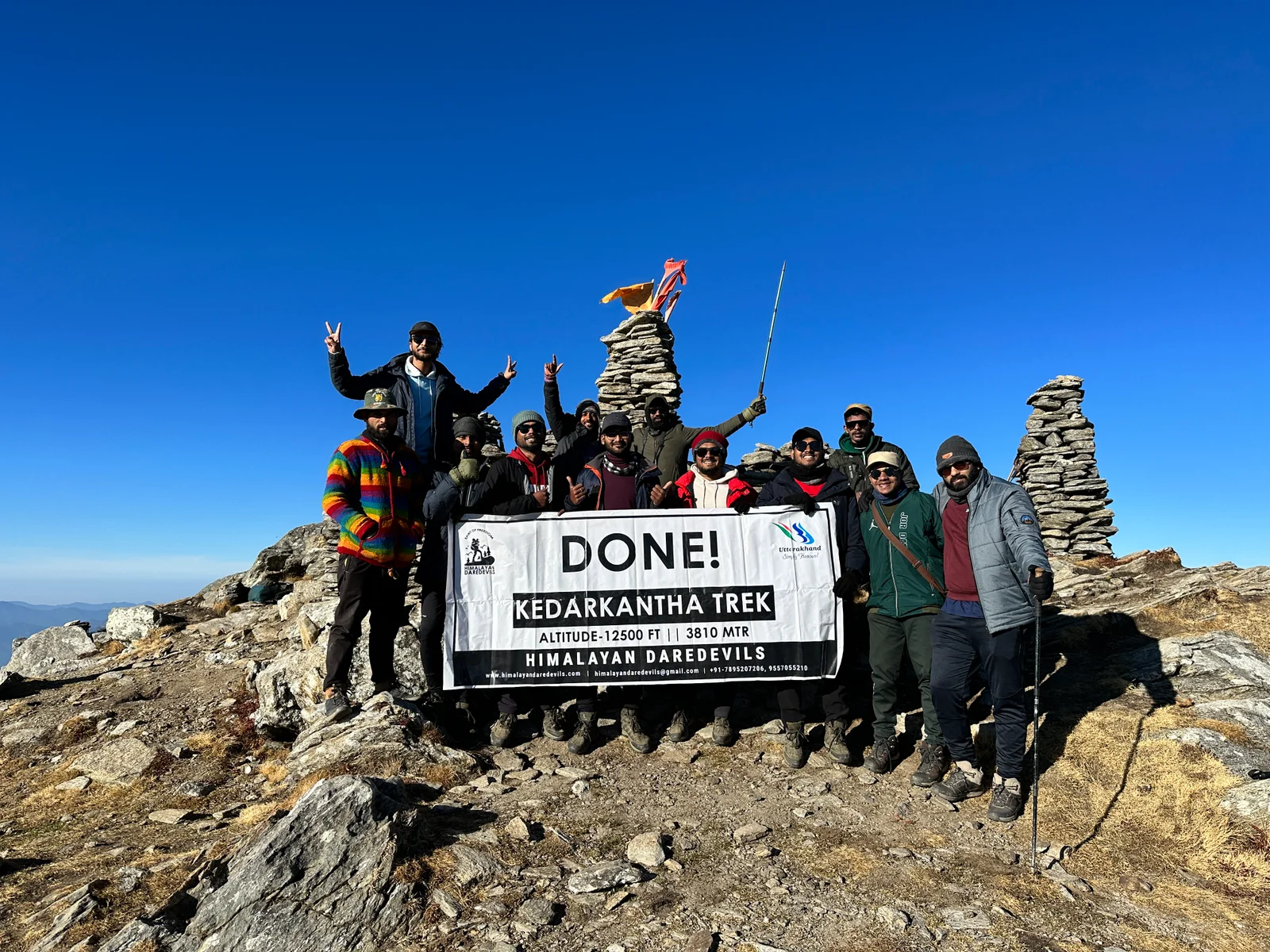
Unlike beginner-friendly Himalayan routes such as the Kedarkantha Trek, the Kashmir Great Lakes Trek demands stable summer conditions and complete snow clearance.
Month-by-Month Best Time for Kashmir Great Lakes Trek
Late June – Season Opens
Late June marks the beginning of the trekking season.
Snow starts melting on high passes
Meadows slowly open up
Lakes may still have ice patches
Trails can be wet and challenging
Temperature:
Day: 12°C – 18°C
Night: 2°C – 6°C
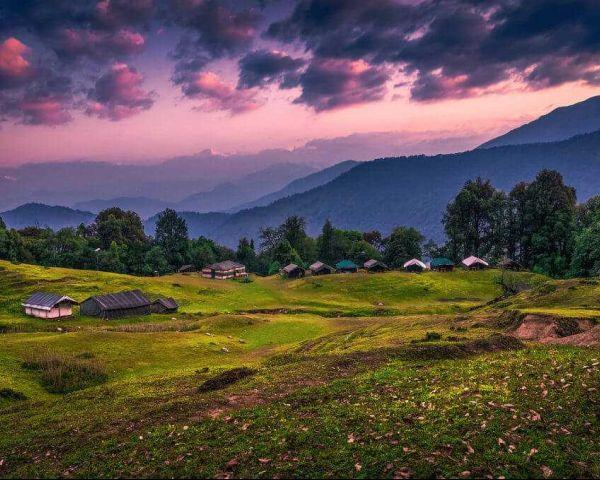
Trekkers attempting early-season Kashmir Great Lakes usually benefit from prior high-altitude meadow experience like the Ali Bedni Bugyal Trek.
July – Green Meadows & Flowing Lakes
July is when the trail turns lush and vibrant.
Meadows become deep green
Lakes are fully visible
Snow clears completely from the route
Moderate rainfall keeps the landscape fresh
Temperature:
Day: 14°C – 20°C
Night: 5°C – 8°C
Despite the monsoon in other Himalayan regions, Kashmir remains relatively stable, making July a reliable trekking month.
August – Peak Scenic Beauty
August is considered one of the best months for the Kashmir Great Lakes Trek.
Alpine flowers bloom across the meadows
Lakes appear crystal clear
Trails remain dry and well-defined
Weather windows are more predictable
Temperature:
Day: 15°C – 20°C
Night: 6°C – 9°C
Trekkers who enjoy wide alpine landscapes during this period often also explore routes like the Gulmarg Trek for similar post-monsoon scenery.
Early September – Best Overall Time
The first week of September is often considered the best overall time for the Kashmir Great Lakes Trek.
Post-monsoon clarity improves mountain views
Meadows start turning golden
Rainfall reduces significantly
Fewer crowds compared to August
Temperature:
Day: 10°C – 18°C
Night: 2°C – 5°C
This period offers the best balance of scenery, trail conditions, and crowd management.
Mid-September Onwards – Trek Closes
After early September:
Temperatures drop rapidly
Early snowfall becomes possible
High passes may become unsafe
Due to safety reasons, the Kashmir Great Lakes Trek is not conducted beyond the first week of September.
Final Verdict: Best Time for Kashmir Great Lakes Trek
Late June: Snow patches, fewer crowds
July: Lush green meadows and flowing lakes
August: Peak beauty and stable weather
Early September: Best overall trekking experience
May, early June, and mid-September onward are not suitable.
For updated batches, route details, and permits, visit the official Kashmir Great Lakes Trek page.
FAQs – Kashmir Great Lakes Trek Best Time
When does the Kashmir Great Lakes Trek start?
The trek usually starts in late June, once snow clears from high passes.
Which month is best for Kashmir Great Lakes Trek?
August and early September are considered the best due to stable weather and clear views.
Is Kashmir Great Lakes Trek possible in May or early June?
No, the trail remains snowbound and unsafe before late June.
Is the trek safe during monsoon season?
Yes, Kashmir receives moderate rainfall, making July and August suitable with experienced guides.
Is Kashmir Great Lakes Trek good for beginners?
Fit beginners can attempt it between July and early September with proper preparation.