27 November 2024
The Kedarkantha Trek is the most popular Himalayan trek for beginners and experienced trekkers as well. The trek, located in Uttarakhand's Govind Pashu Vihar National Park, is renowned for its open meadows, dense pine forests, picturesque campsites, and an amazing 360° summit view. Even so, now the question is, what is the best time to visit Kedarkantha
For both novice and seasoned hikers, the Kedarkantha Trek is among the most rewarding in the Himalayas. This trail, which is located in Govind Pashu Vihar National Park in Uttarakhand, is renowned for its open meadows, dense pine forests, picturesque campsites, and an amazing 360° summit view. Even so, there is one question that stands out above all others: When is the best time to visit Kedarkantha?
Your trekking experience depends heavily on the season you choose. Winter offers magical snowfall, spring brings blooming forests, autumn offers golden landscapes, and monsoon… Well, that can be a bit challenging.
Your trekking experience can vary greatly with the season: winter brings magical snow, spring surrounds you with fresh blooms, autumn paints the trails in gold, and the monsoon, well, that can be a bit challenging.
This in-depth guide breaks down the Kedarkantha Trek's best time through all seasons, including what to expect, difficulty, weather conditions, and who each season is ideal for. Whether you are planning the first Himalayan trek or looking for a perfect winter adventure, this guide will help you to pick the best time to do the Kedarkantha trek with more fun and confidence.
Kedarkantha Trek Overview: Location, Elevation, and Route
Kedarkantha Trek, which stands at an elevation of about 12,000 ft, is an easy-to-moderate trek. The trek to Kedarkantha is surrounded by the scenic mountains of Uttarakhand. Trekking starts within the Govind Wildlife Sanctuary, which adds diversity to the flora and fauna, making it awesome.

The starting point of Kedarkantha is from Sankri village, which serves as the base camp. While walking through thick pine forests and beautiful meadows, the view of the surrounding mountains such as Swargarohini and Bandarpoonch, So if the calm of Kedarkantha attracts you or the mountains, this trek will never disappoint.
Kedarkantha Trek Best Time – Quick Highlights
Before diving deeper, here’s a quick snapshot of the best time for the Kedarkantha trek:
Each season offers a different flavor, but depending on your preference, you can easily choose the best time to visit the Kedarkantha trek.
Choosing the Best Time for Kedarkantha Trek
1. Winter (December to March): The Most Popular & Best Time to Visit Kedarkantha Trek
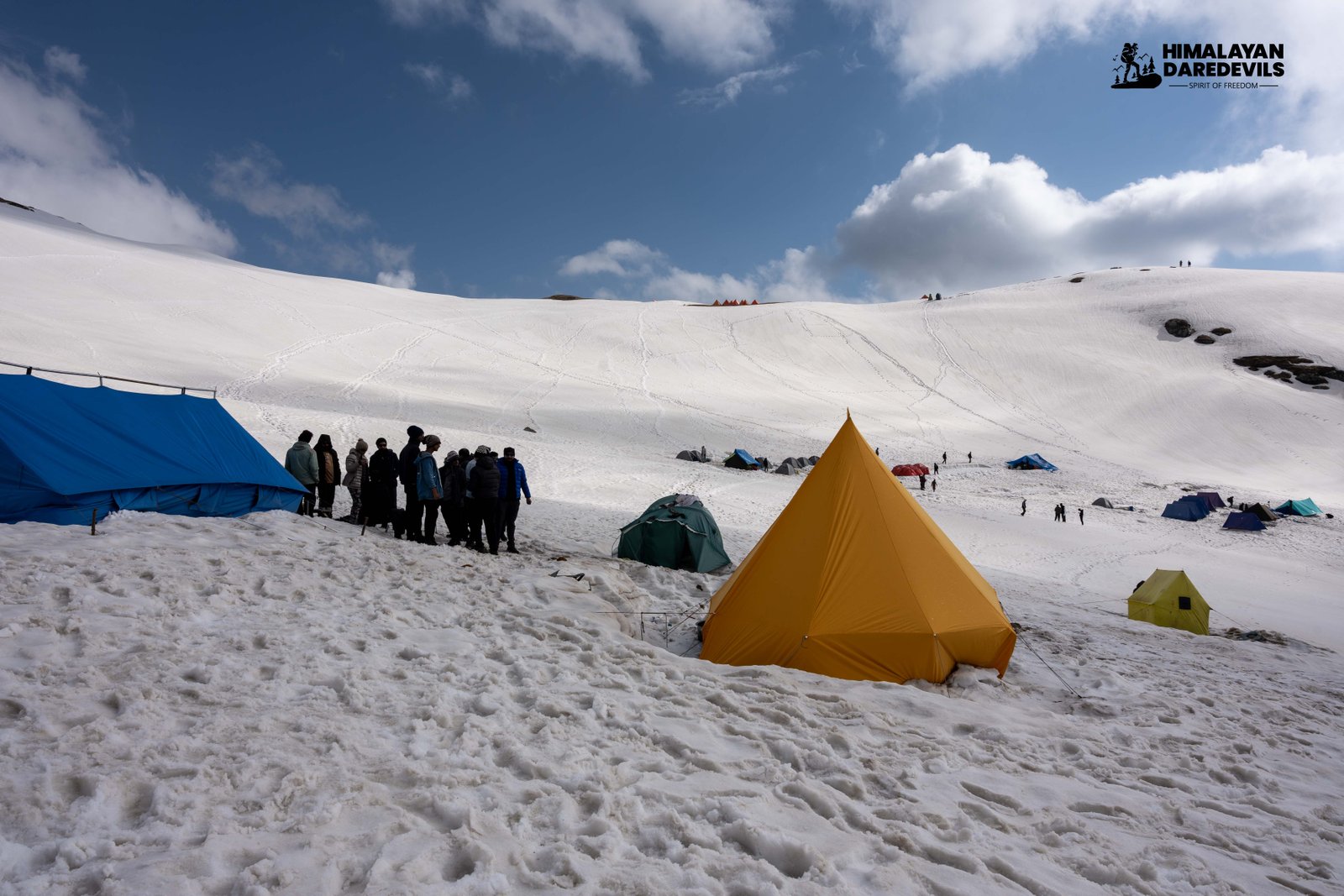
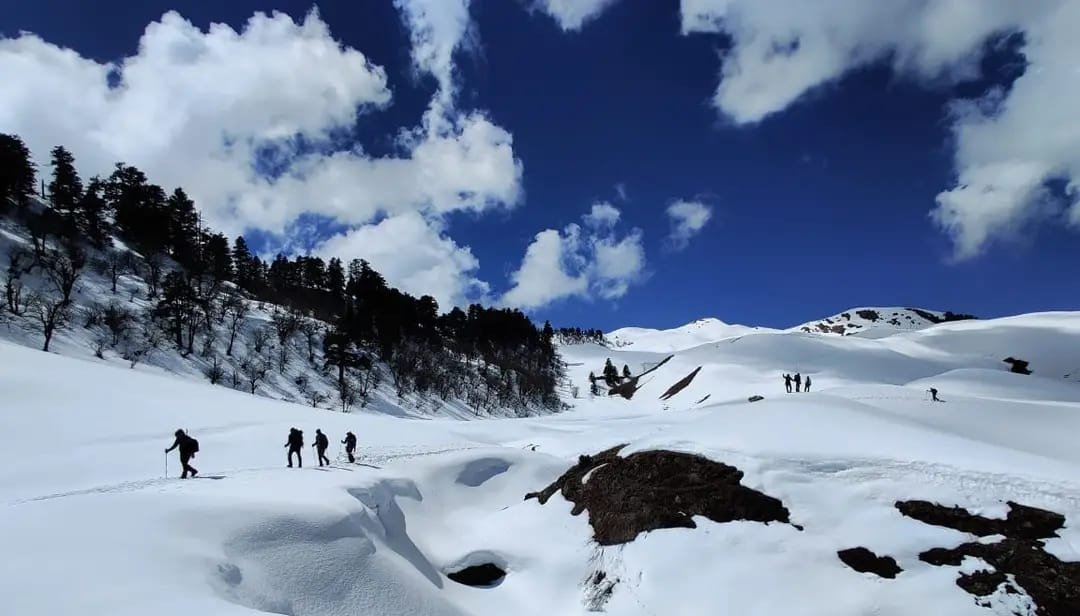
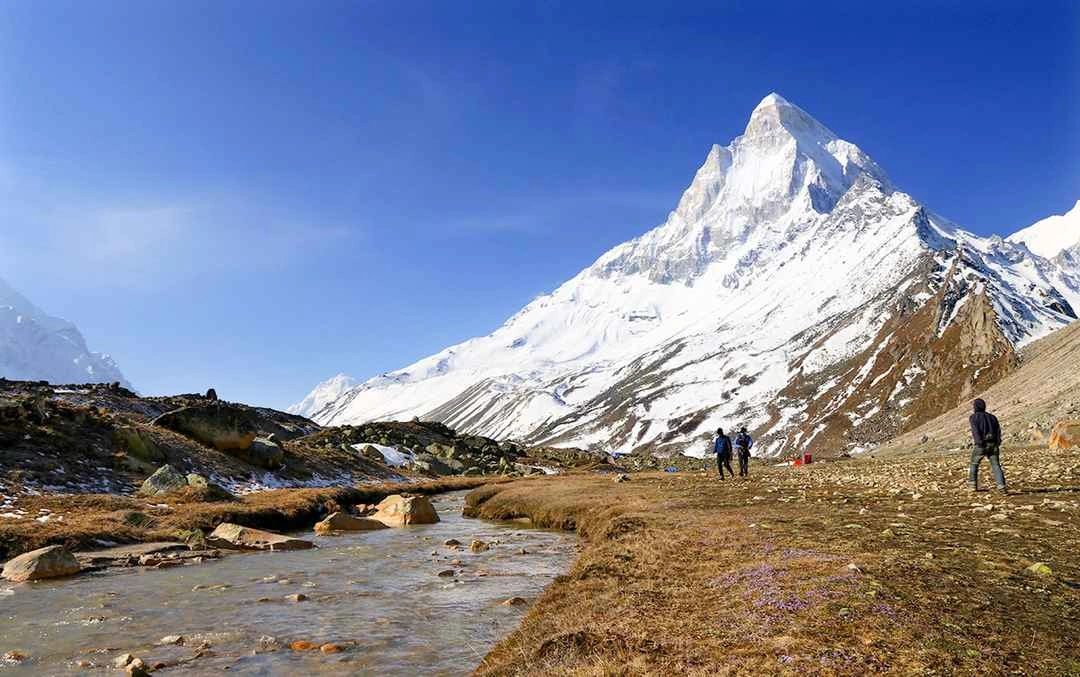
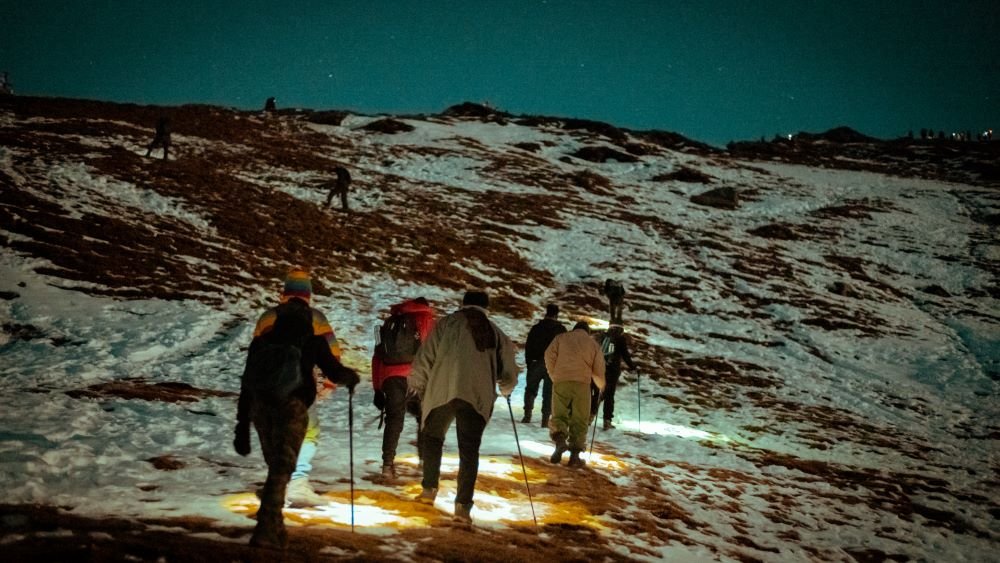
If you’ve seen mesmerizing pictures of snow-clad Kedarkantha trails or glowing sunrise over white summits, they were almost definitely taken in winter. This is when Kedarkantha transforms into a true winter wonderland, making it the best time to visit Kedarkantha for snow lovers.
Why Winter is the Best Time
Heavy snowfall creates postcard-like scenery
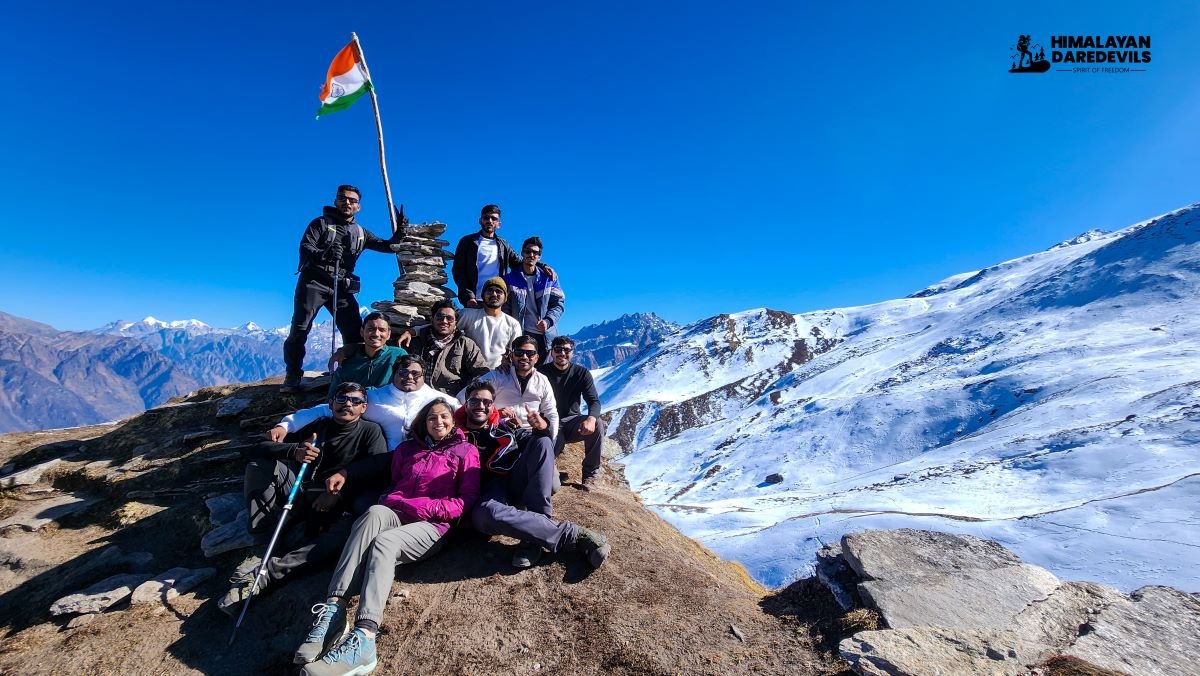
The summit offers majestic sunrise views
Snow trails add excitement and adventure
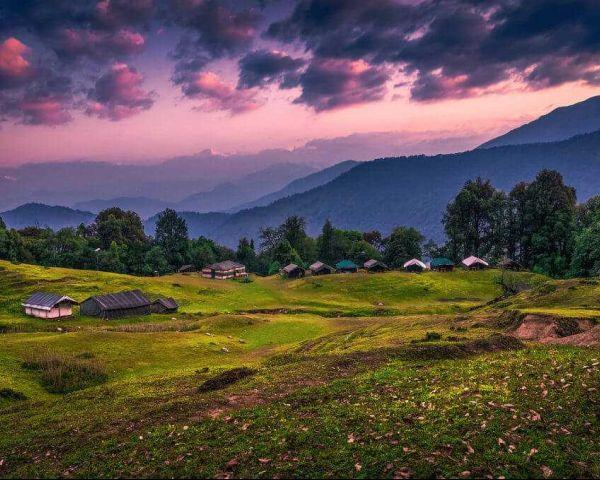
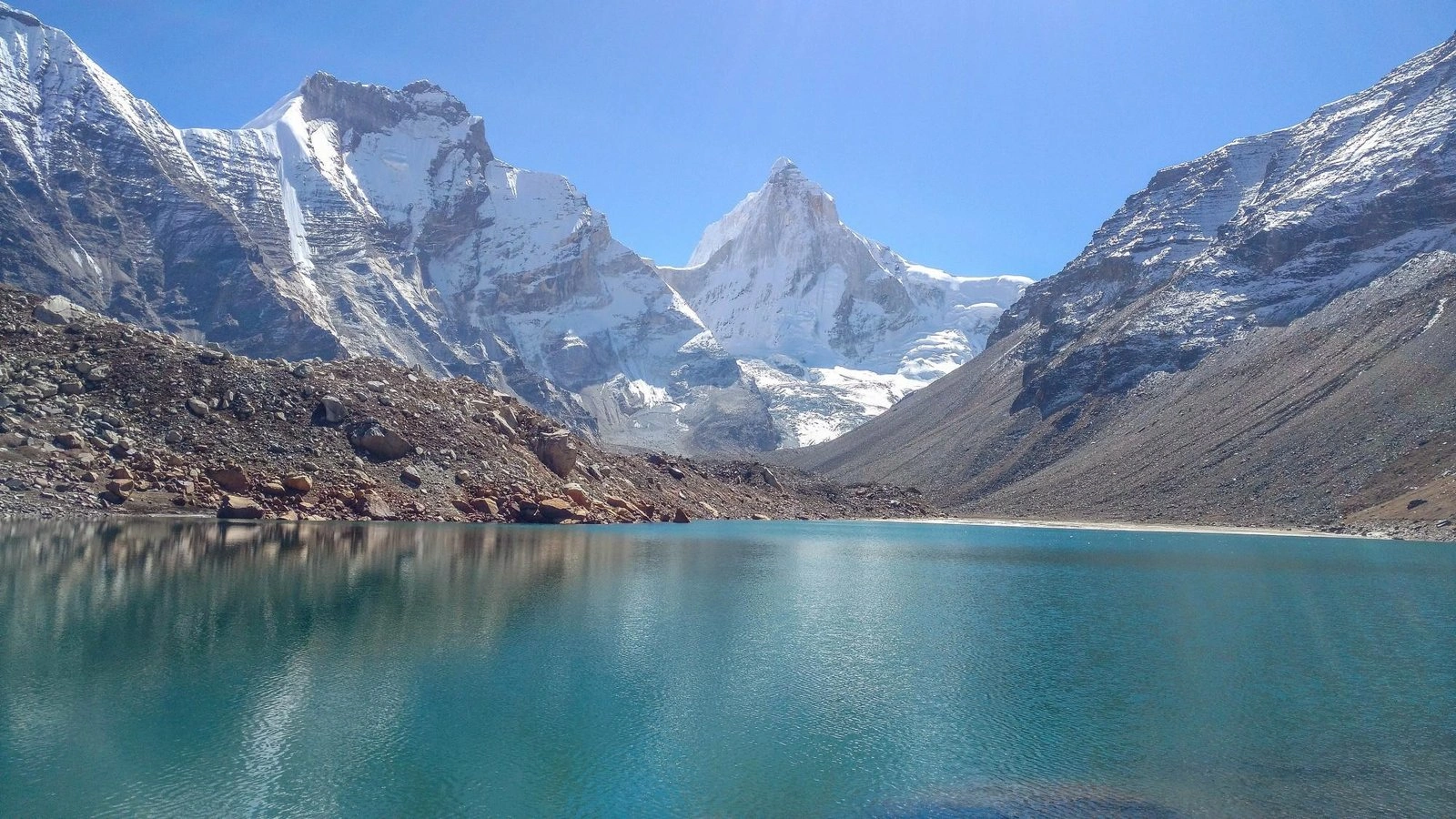
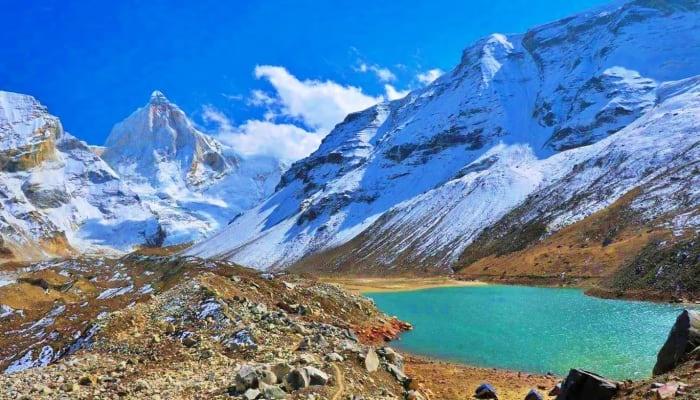
Campsites like Juda Ka Talab look magical when frozen
Winter is the most sought-after season because trekking through soft snow and witnessing a glowing Himalayan sunrise from 12,500 feet is a once-in-a-lifetime experience.
Weather
Day: -2°C to 5°C
Night: -5°C to -15°C
Expect extremely cold nights, especially in January and February.
Difficulty Level
Moderate to challenging. Walking on fresh snow needs good balance and warm layering.
Who Should Choose Winter?
Adventure seekers
Snow lovers
Experienced trekkers
If you want the classic snow Himalayan trek experience, winter is the best time for the Kedarkantha trek without debate.
Heavy snowfall creates postcard-like scenery
The summit offers majestic sunrise views
Snow trails add excitement and adventure
Campsites like Juda Ka Talab look magical when frozen
Day: -2°C to 5°C
Night: -5°C to -15°C
Adventure seekers
Snow lovers
Experienced trekkers
2. Spring (April to June): Pleasant Weather & Best for Beginners
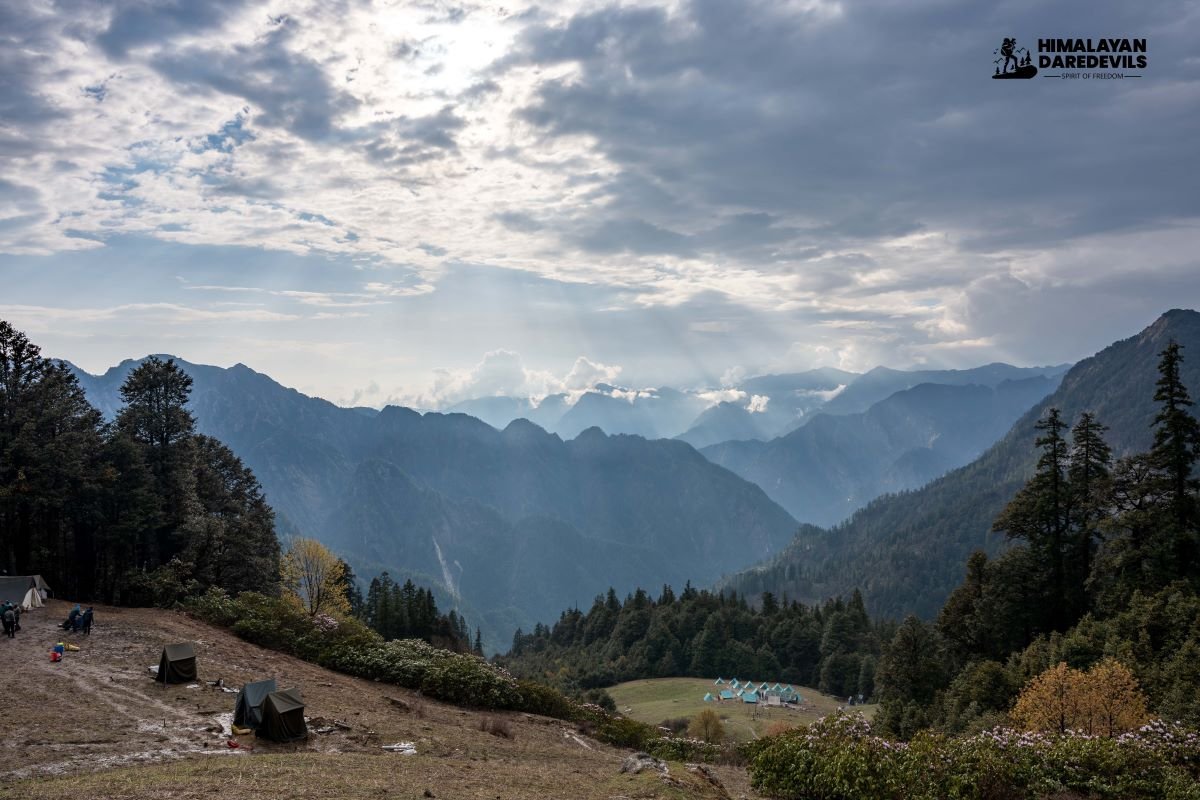
Spring is friendly, colorful, and refreshing. As winter snow begins to melt, the landscape shifts dramatically. The forests come alive with rhododendron blooms, lush greenery, and warm sunshine.
This season is ideal for trekkers who want a balanced, comfortable experience, making it one of the best times to visit the Kedarkantha trek for beginners.
What Spring Offers
Clear comfortable trails
Blossoming rhododendrons
Mild weather—neither too cold nor too hot
Perfect for photography and forest walks
Weather
Day: 10°C to 18°C
Night: 2°C to 8°C
This season offers the most manageable climate for new trekkers.
Difficulty Level
Easy to moderate. Compared to snowy winter trails, spring trekking is smooth and relaxed.
Who Should Choose Spring?
First-time trekkers
Families
Nature lovers
Trekkers who prefer mild weather
First-time trekkers
Families
Nature lovers
Trekkers who prefer mild weather
Spring is an underrated but beautiful time and definitely one of the best time to do the Kedarkantha trek if you want comfort without harsh conditions.
3. Monsoon (July to September): Not Recommended
Kedarkantha during monsoon looks lush and vibrant—but it’s also risky. Rain causes slippery surfaces, cloud patches reduce visibility, and the chances of landslides in nearby areas increase.
Because of these conditions, the monsoon is not the best time to visit the Kedarkantha trek.
Challenges During Monsoon
Heavy rainfall
Muddy and slippery pathways
Obstructed mountain views
High leech presence
Chances of weather-related route closures
Weather
Day: 12°C to 20°C
Night: 5°C to 12°C
Pleasant temperatures but highly unpredictable rainfall.
Who Should Trek in Monsoon?
Only experienced trekkers who love offbeat challenges.
4. Autumn (October to November): Clear Skies & Peaceful Trails
Autumn is another excellent season - calm, scenic, and full of seasonal charm. After the monsoon, the sky becomes crystal clear, offering stunning visibility of the Himalayan ranges. The forests turn golden-orange, making the trail look like a dream.
It’s quiet, crowd-free, and extremely photogenic - easily one of the best times to visit Kedarkantha.
Highlights of Autumn Trek
Crystal-clear mountain views
Dry, pleasant trails
Colorful autumn forest
Perfect stargazing weather
Weather
Day: 5°C to 12°C
Night: -2°C to 5°C
Early winter chill begins in November.
Difficulty Level
Moderate.
Who Should Choose Autumn?
Trekkers who want peaceful trails
Landscape photographers
People avoiding heavy snow
Solo trekkers
Autumn is charming, calm, and scenic - one of the top choices for the best time to do the Kedarkantha trek.
When is the Absolute Best Time for Kedarkantha Trek?
If you want heavy snow, adventure, and magical winter landscapes:
December to February is the best time to visit Kedarkantha trek.
If you want comfortable weather, greenery, and easy trails:
April to June is the best time for Kedarkantha trek for beginners.
If you want clear skies and peaceful, crowd-free trekking:
October to November is your perfect choice.
So the Kedarkantha trek's best time depends on what YOU want from the experience.
For most travelers, the monsoon is simply not the best time for the Kedarkantha trek.
Month-by-Month Guide: Best Time to Visit Kedarkantha Trek
Here’s an easy month-wise breakdown for even clearer planning:
December: Fresh snowfall begins; winter magic starts
January: Peak snowy season; perfect for snow lovers
February: Stable snow; fewer crowds than January
March: Snow begins melting; balanced weather
April: Forest comes alive; ideal for beginners
May & June: Pleasant sunshine; best for family treks
July to September: Avoid due to monsoon
October: Clear skies; ideal for photographers
When is the Absolute Best Time for Kedarkantha Trek?
If you want heavy snow, adventure, and magical winter landscapes:
December to February is the best time to visit the Kedarkantha trek.
If you want comfortable weather, greenery, and easy trails:
April to June is the best time for the Kedarkantha trek for beginners.
If you want clear skies and peaceful, crowd-free trekking:
October to November is your perfect choice.
So the Kedarkantha trek's best time depends on what YOU want from the experience.
How long is the Kedarkantha Trek?
Depending on the route and the starting point, the Kedarkantha Trek spans around 20–25 kilometres. Normally, this trek is completed in a period of six to seven days, allowing the trekkers to enjoy the process and outstanding sights.

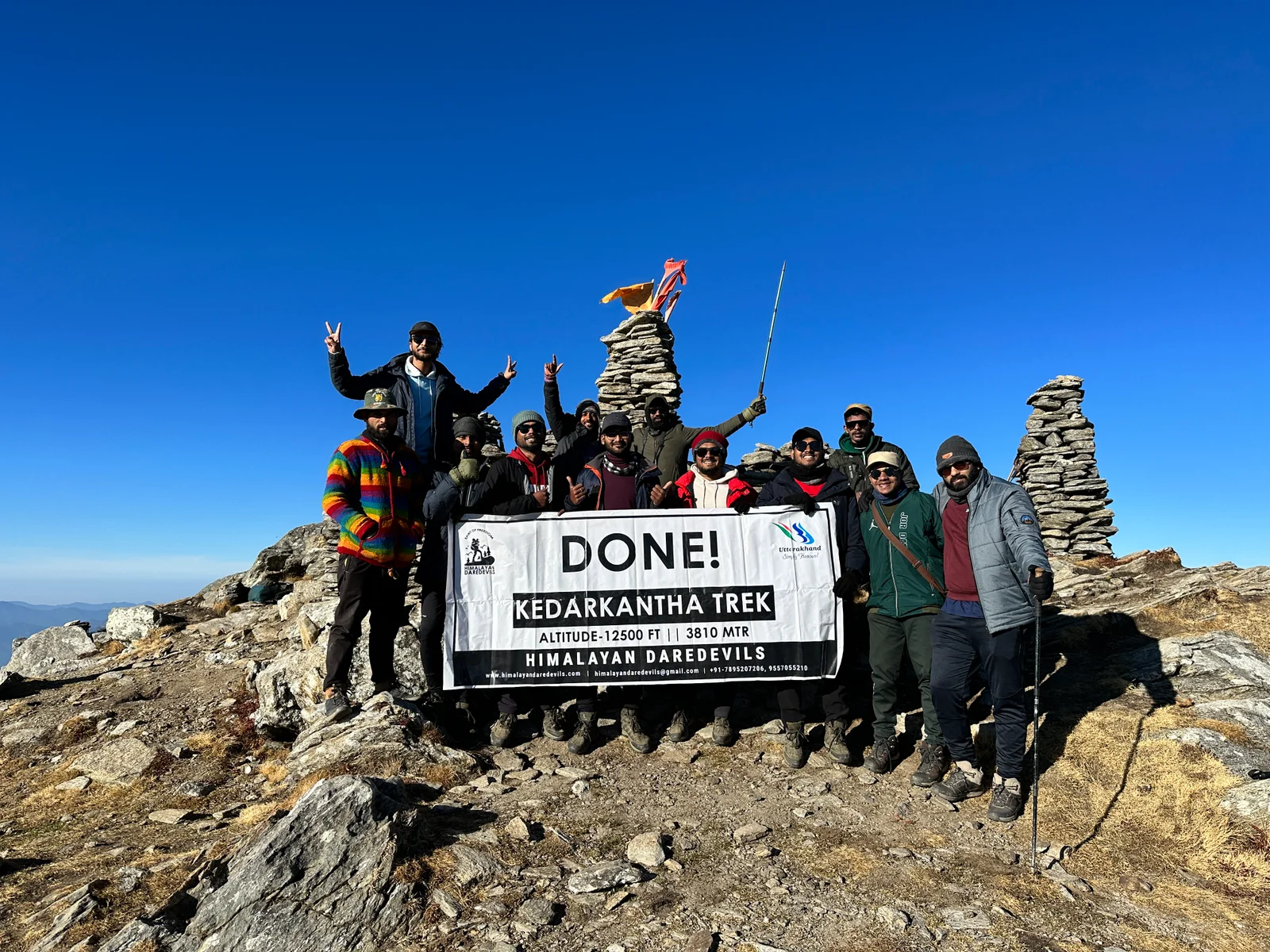
Trekkers leave from the base camp in Sankri and proceed through nice pine trees, meadows, and villages. Usually, these treks stop at beautiful places such as Juda Ka Talab which is a glacial body of water, before they reach the top of Kedarkantha mountain peak, which is 12,500 feet high.
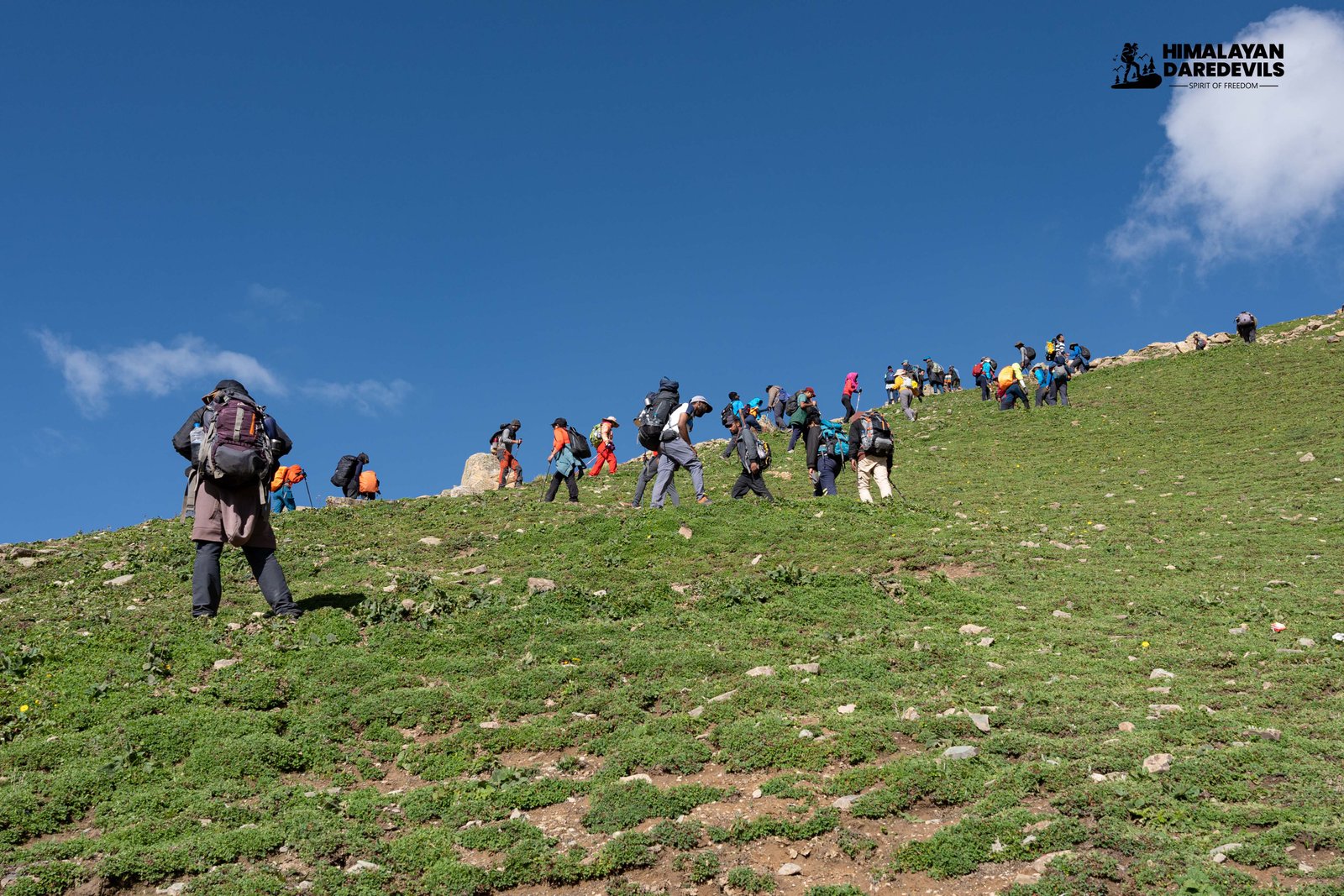
Himalayan Daredevils recommends avoiding rushing through the trek. Each day of trekking takes about 5 to 7 hours, though there are intervals for sightings and taking photos for memories.
The snowy months from December to February remain the best period to do the Kedarkantha Trek. Here the trekkers enjoy stunning views as they cross snow-covered trails in a winter wonderland. You will get to see different kinds of plants and animals as you walk through the different terrains. The fabulous scenery that comes with it must be the gratifying challenges that make the Kedarkantha Trek an adventure every nature lover and outdoor enthusiast should cherish.
Understanding the Difficulty Level
Kedarkantha Trek is graded as moderate, which makes it suitable for a beginner as well as an experienced trekker. The stunning trek lies at an elevation of 12,500 feet and gradually climbs through snow-covered paths which could be difficult but are not impossible to conquer with the right planning. It is recommended that the trekkers be physically fit to ensure proper adaptation to the height and to avoid any situation of discomfort. On average, trekkers’ walks from 5 to 7 hours a day in the trek, there will be several slopes of varying degrees, from steep climbs to gentle curves . The Kedarkantha trek could be an exciting fairy tale rather than a nightmare that occurs due to excessive and difficult work, and thus, it is a good option for people who wish to explore the beauty of the Himalayas.
Essential Packing List for Kedarkantha Trek
Stay Hydrated: During the entire trekking journey, make it a point to drink as many times as possible so as to meet the required water levels in your body to avoid the risk of dehydration.
Adjust Properly: There is a need to give the body time to adjust to the height. Always move slowly when climbing, and if feeling unwell for any reason, take rest for at least a day.
Layer Your Clothing: It is advisable to use the layering system so as to remain warm and control temperature. This helps you to either put on additional covering or to take off a few layers as per the weather.
Check Weather Conditions: Before starting your journey, it is important to check the weather report. The weather in the Himalayas can be unpredictable, so be ready for any difficulties.
Pack Light but Smart: Select the most necessary items to avoid a heavy backpack. Choose necessary things only since they would make you carry extra weight.
Be considerate of others. Honor nature and the people who will be on the trek with you. Clean up what you mess up and don’t leave anything behind.
Recognize your direction: Collect as much information about the trekking path and its memorable sights, as it will assist you in navigating the path.
Choose the Best Time Based on Your Adventure Goals
It is not the Himalayas that you should fear; it is the risk of not being able to complete the journey that the Kedarkantha Trek guarantees. Experience the best versions of this journey with Himalayan Daredevils. Our tour escorts ensure both your safety and your comfort by sharing firsthand information about the beautiful cultures and the nature of the region.
The cold winds, the blossoming flowers, and the beautiful scenery from the trip would be great every second you take. Does not matter whether you have been trekking before or this is your first time as our tour plans are perfect for everyone.
Gather with us for an experience full of companionship, thrill, adventure, and opportunities to cherish every second for the rest of your life. With Himalayan Daredevils, trekking is no longer just a routine activity, but a way of life and a part of the exploration community.
The best timing for the Kedarkantha Trek may depend on individual preferences and motives. In case one prefers stunning winter landscapes with snow covering the striking hills of Uttarakhand, then the months of December, January and February can be the ideal option for them. But for those who prefer milder temperatures and clear skies, the best time would be around March to early April.
Nonetheless, whenever you are planning to trek, the best operator for your adventure is Himalayan Daredevils. We manage such packages in an organized manner that safety and fun are guaranteed at economical prices, making the Kedarkantha trek possible for all trekkers wanting to relish an amazing experience in the Himalayas.
Why Choose Himalayan Daredevils for Kedarkantha Trek?
At Himalayan Daredevils, we focus on delivering a safe, welcoming, and unforgettable trekking experience.
What Makes Us Special?
Experienced & certified trek leaders
High-quality tents & sleeping bags
Warm, freshly cooked meals
Safety-first approach
Snow gear assistance in winter
Comfortable transportation & coordination
Small-batch groups for better support
Whether you choose the winter snow charm or the spring forest beauty, we ensure every moment of your trek becomes a memory to cherish.
FAQ:
Can a beginner do the Kedarkantha trek?
Yes. Kedarkantha is considered one of the more beginner-friendly treks in the Himalayas. The trail has a gradual ascent, manageable daily distances, and is non-technical (no climbing gear required).
That said, basic fitness (cardio, leg strength) helps, especially for the summit push.
Does Kedarkantha have snow in May?
Generally, by May, most of the snow on the Kedarkantha trail has melted.
According to season guides, May offers dry paths, green meadows, and pleasant weather; it's not typically a snow-covered trek in this month.
However, since May is the pre-monsoon period, occasional early rain or showers may occur, so it’s wise to carry rain gear.
At what time should I start the Kedarnath trek?
The Kedarnath temple doors open for pilgrimage roughly in May to June (summer) and again in September to November (post-monsoon).
For trekking, starting early in the morning (for example, around 5–6 AM) is often recommended. Some trekkers begin very early (even 4–5 AM) to finish in reasonable daylight and avoid afternoon fatigue or weather shifts.
Also consider the seasonal weather: May–June offers pleasant daytime temperatures (10 °C to 20 °C) for trekking.
Which month is best for trekking in the Himalayas?
Generally, the best trekking seasons in the Himalayas are:
Spring (March–May): Clear skies, snow melting, blooming flowers.
Autumn (September–November): Stable weather, dry trails, good visibility.
Monsoon months (July–August) are risky due to heavy rain, landslides, and slippery paths.
Winter (December–February) can be great for snow treks (like Kedarkantha), but high-altitude treks may be more challenging due to deep snow and cold.
What is the altitude of Kedarkantha summit, and is altitude sickness a concern?
The Kedarkantha summit stands at 12,500 ft (3,810 m).
While the trek is beginner-friendly, mild altitude-related symptoms such as headache or fatigue can occur. Staying hydrated, ascending gradually, and taking proper rest usually prevent issues.
How many days does the Kedarkantha trek take?
The Kedarkantha trek typically takes 4 days from Sankri to Sankri.
Many groups do it in 5–6 days if they want a slower pace, more acclimatization, or extra time for photography and snow activities.
What permits are required for the Kedarkantha trek?
Trekkers need:
Govind Wildlife Sanctuary Permit
Forest Entry Fee
If you book with a trekking company, permits are generally arranged for you.
What kind of gear/clothing is needed for Kedarkantha (season-wise)?
Winter (Dec–March):
Heavy down jacket
Thermals (upper & lower)
Waterproof gloves
Snow trekking shoes
Gaiters & microspikes (usually provided by trek operators)
Summer/Spring (April–June):
Light fleece jacket
Quick-dry T-shirts
Trekking pants
Sun protection (cap, sunglasses, sunscreen)
Common: Trekking poles, headlamp, rain cover, personal first aid kit.
Are there guides or porters available for Kedarkantha?
Yes, Sankri has licensed local guides and porters. Most trekking companies provide trained guides, cooks, and support staff.
- Are there accommodations (camps, guesthouses) along the Kedarkantha route?
Yes. Stay options include:
Campsites at Juda Ka Talab, Kedarkantha Base Camp, Hargaon
Homestays/Guesthouses in Sankri village before and after the trek
How to reach the base village (Sankri) for the Kedarkantha trek?
Route: Dehradun → Purola → Mori → Sankri
Distance: 190 km
Travel Time: 8–10 hours by road
Shared taxis and private cabs are easily available from Dehradun.
What are the risks on the Kedarkantha trek (weather, wildlife, terrain)?
Common risks include:
Sudden weather changes (especially in winter)
Slippery snow or ice on summit day
Cold temperatures at night
Rare encounters with wildlife (the sanctuary is protected, but trails are safe)
With a guide and proper gear, the trek is considered very safe.
What is the cost estimate for the Kedarkantha trek?
A typical Kedarkantha trek costs:
₹5000 per person (4–5 days)
Cost varies based on season, group size, transport type, and inclusions (gear, permits, meals, guides).
Is camping safe at high camps during the Kedarkantha trek?
Yes. Campsites like Juda Ka Talab and Base Camp are well-established and commonly used.
Safety depends on:
Weather conditions
Trek leader’s instructions
Proper cold-weather gear
What medical/emergency facilities are available during the Kedarkantha trek?
Facilities generally include:
First-aid kits carried by trek leaders
Oxygen cylinders with most professional trekking groups
Basic evacuation support to Sankri
Nearest full medical assistance is in Purola or Dehradun.
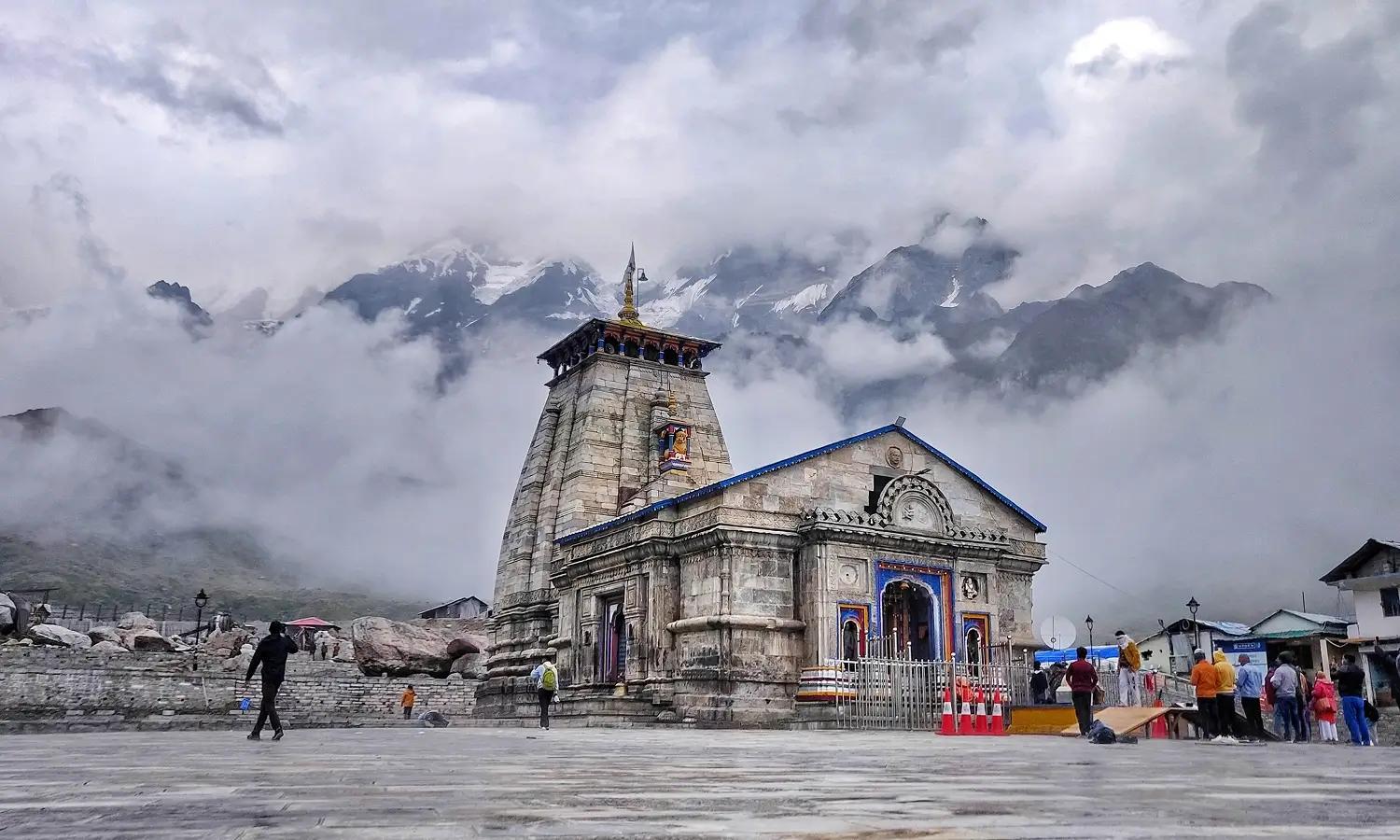
From Gaurikund, the 16 km trek to Kedarnath begins
What fitness level is needed for the Kedarkantha trek?
Moderate fitness is recommended since:
The trek is 13 km one way
Altitude increases quickly
Daily 30–45 mins of walking/jogging for 2–3 weeks is usually enough.
Can children or elderly people do the Kedarkantha trek?
Kedarkantha: Suitable for children aged 7+ with good fitness.
Should be medically fit
What is the food/water situation on Kedarkantha?
Kedarkantha:
Trek operators provide hot meals
Drinking water is available at camps and natural sources (filtered by the team)
What are the mobile/network connectivity conditions on the trek?
Kedarkantha:
Jio and Airtel work in Sankri
Limited network after Sankri
No stable network at camps
What are the must-carry safety items for Himalayan treks?
Essential items include:
First aid kit
Trekking pole
Headlamp
Water bottle/hydration pack
Rain cover
Power bank
Emergency snacks
Sunscreen and sunglasses