11 December 2025
The Dayara Bugyal Trek is one of the most beautiful high-altitude meadow treks in Uttarakhand. Known for its wide green grasslands, snow-covered slopes in winter, and stunning Himalayan mountain views, this trek attracts beginners, families, photographers, and adventure lovers throughout the year. However, choosing the right season is the key to enjoying this trek safely and comfortably.
The best time to visit Dayara Bugyal trek depends on what kind of experience you are looking for—snow trekking, green meadows, clear mountain views, or safe beginner-friendly trails. Each season offers a different beauty, but every season also comes with its own challenges like cold temperatures, rain, or slippery trails.
Many trekkers make the mistake of choosing the wrong time and end up facing bad weather, poor visibility, or unsafe trekking conditions. That’s why this detailed guide will help you understand the best season, month-wise weather, snowfall conditions, and trekking suitability for Dayara Bugyal.
Quick Overview of Dayara Bugyal Trek Seasons
The Dayara Bugyal trek offers a unique experience in summer. To help you decide the best time to visit Dayara Bugyal, here’s a quick overview of each season, the weather, and what you can expect:
Whether you want snowy landscapes, lush green meadows, or clear Himalayan views, knowing the best season ensures you get the most out of your Dayara Bugyal trek.
Dayara Bugyal Trek in Winter (December to February) – Best Time for Snow
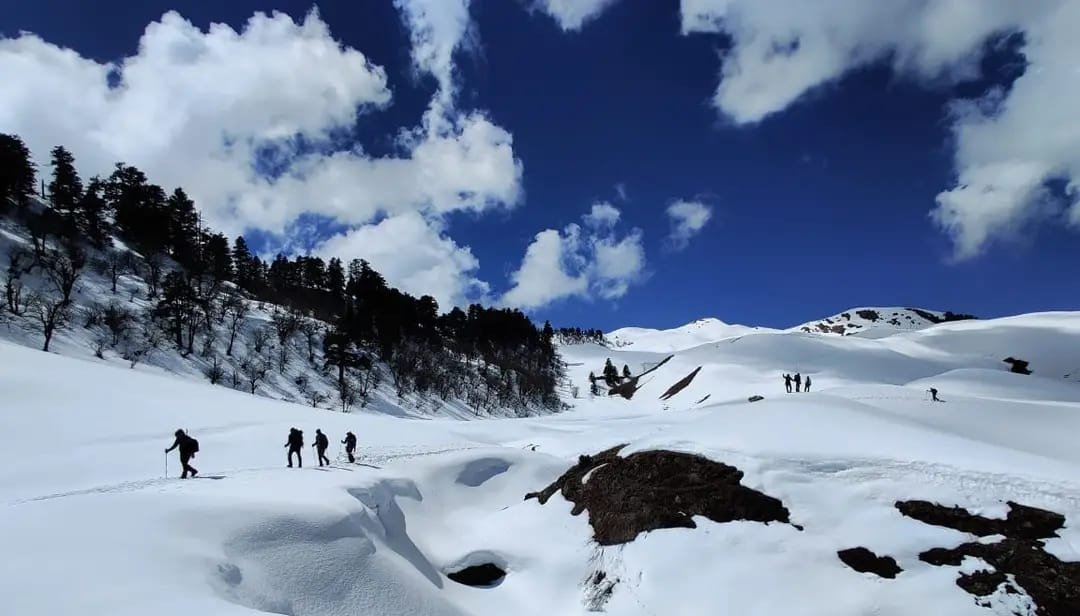
If you love snow and magical winter landscapes, December to February is the best time to visit Dayara Bugyal trek. During this season, the high-altitude meadows are completely covered in snow, creating a stunning white wonderland. Winter trekking here is a dream for adventure seekers, photographers, and snow lovers.
Weather and Temperature
Day temperature: 0°C to 5°C
Night temperature: -5°C to -10°C
Snowfall is frequent, so the meadow and trails remain covered in snow.
Trekking Experience
Winter treks at Dayara Bugyal are moderate in difficulty. Snow adds an extra challenge but also a unique thrill. You’ll experience:
Snow-covered trails and frozen streams
Crisp, cold air and clear, starry nights
Panoramic Himalayan views with peaks like Mt. Bandarpoonch, Black Peak, Draupadi Ka Danda, and Srikanth
Camping in Snow
One of the highlights of winter trekking is camping in the snow-covered meadow. Imagine sitting by a warm campfire, enjoying the peaceful mountains, and sleeping under a sky full of stars.
Who Should Attempt the Winter Trek
Experienced first-time trekkers with proper guidance
Adventure enthusiasts looking for snow trekking
Photographers who want stunning snow shots
Challenges to Keep in Mind
Trails can be slippery due to snow and ice
Nights are extremely cold; proper sleeping bags and warm clothing are essential
Water sources may freeze; carrying enough water is necessary
Always trek with a trained guide or organized group for safety
Dayara Bugyal Trek in Spring (March to April) - Best Time for Beginners

For those who are trekking for the first time or prefer a more comfortable experience, March to April is the best time to visit the Dayara Bugyal trek. During spring, the snow starts to melt, and the meadows transform into lush green landscapes with blooming rhododendrons.
Weather and Temperature
Day temperature: 5°C to 15°C
Night temperature: -2°C to 5°C
Pleasant and mild weather makes trekking easier and more enjoyable
Trekking Experience
Spring treks offer a balance between adventure and comfort. The trails are safer and less slippery compared to winter, making it ideal for beginners and family trekkers. Highlights include:
Blooming rhododendron forests along the trail
Fresh green alpine meadows (bugyals)
Clear mountain views of peaks like Bandarpoonch and Jaonli
Calm streams and flowing water sources
Why Spring is Perfect for Beginners
Moderate trekking difficulty with gradual ascent
Safe trails for first-time trekkers
Ideal for families and small groups
Pleasant temperatures allow easy camping at Gui or Dayara Top
Additional Advantages
Fewer crowds compared to peak winter season
Opportunities for photography with colorful flowers and greenery
Comfortable nights at campsites without extreme cold
Also Read: Dayara Bugyal Trek Map and Itinerary – Complete Guide for Planning Your Himalayan Adventure
Dayara Bugyal Trek in Summer (May to June) – Best Time for Meadows & Views
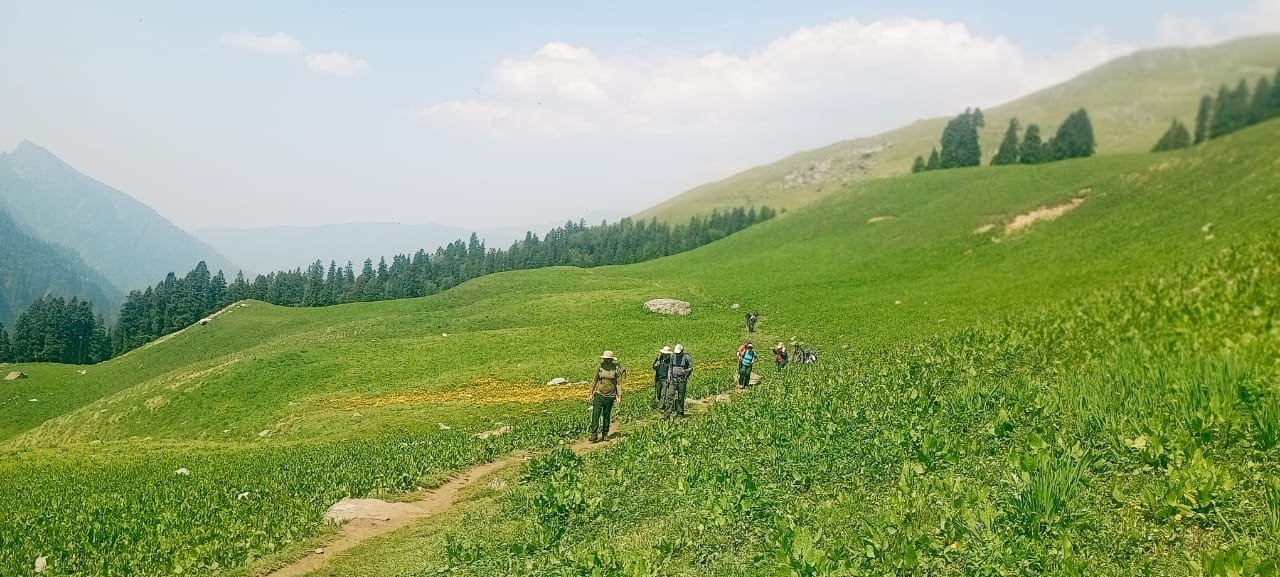
May to June is the best time to visit Dayara Bugyal trek if you want lush green meadows, pleasant weather, and clear mountain views. During summer, the snow has completely melted, and the entire region is covered in vibrant green grasslands, making it ideal for nature lovers and photography enthusiasts.
Weather and Temperature
Day temperature: 15°C to 18°C
Night temperature: 6°C to 10°C
Mild and comfortable weather perfect for trekking
Trekking Experience
Summer trekking is more relaxed compared to winter or early spring:
Trails are dry and safe
Streams are flowing with fresh water
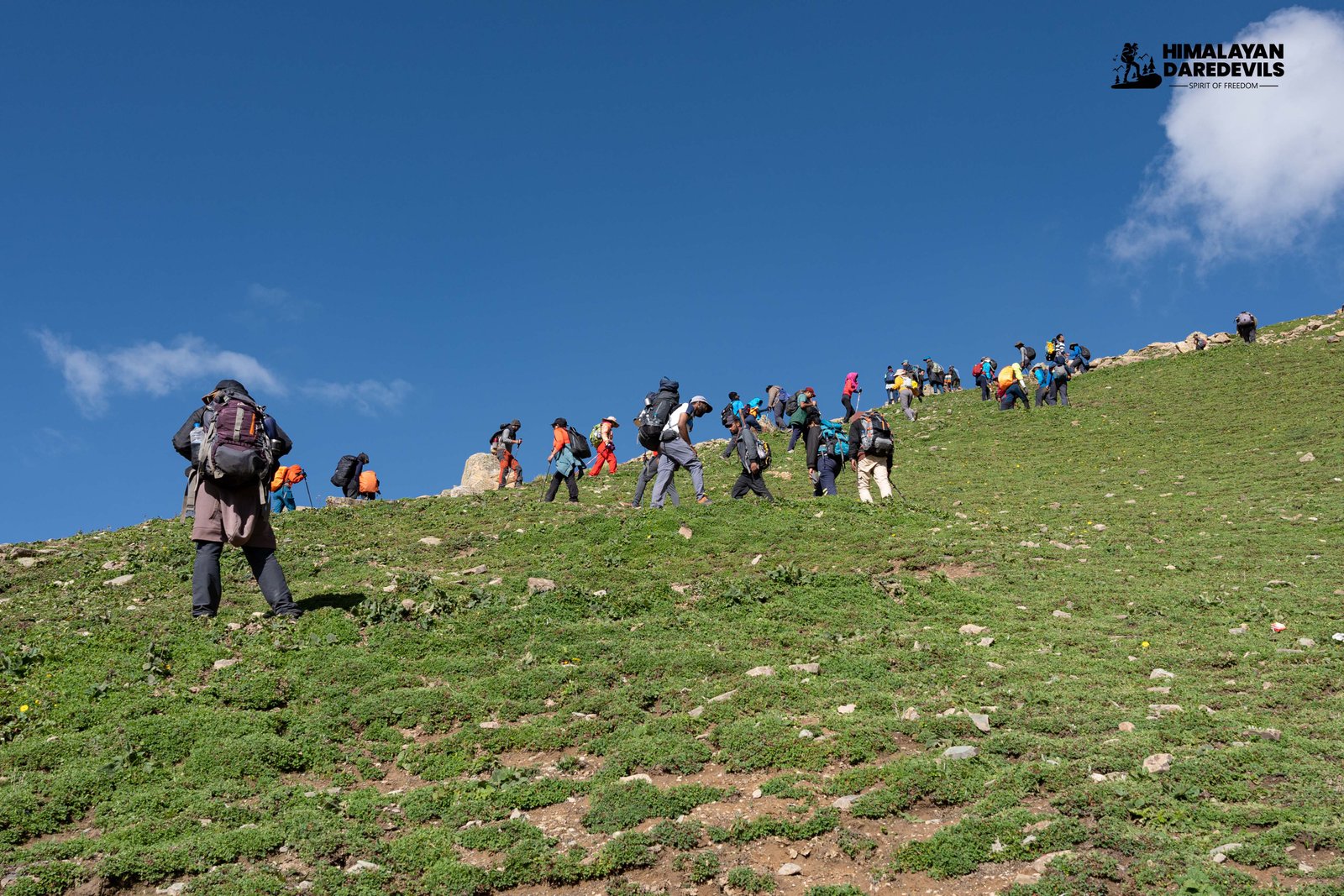
Meadows (bugyals) are wide and green, perfect for camping and relaxing
Panoramic views of Himalayan peaks are clear without snow obstruction
Why Summer is Ideal
Great for family treks and small groups
Comfortable nights at campsites without extreme cold
Safe for beginners and those who want a leisurely trek
Ideal for photography with green landscapes and distant snowy peaks
Additional Highlights
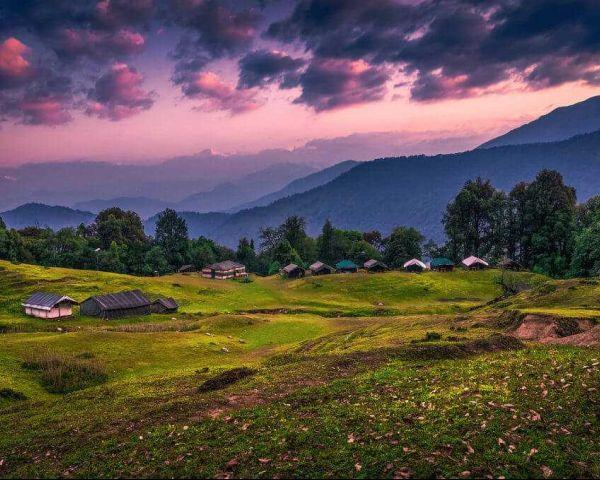
Clear sky ensures spectacular sunrise and sunset views
Birds and local wildlife are more visible
Camping on green meadows with warm daytime weather
Dayara Bugyal Trek in Monsoon (July to August) – Why You Should Avoid
 The monsoon season (July to August) is not recommended for the Dayara Bugyal trek. Heavy rains, slippery trails, and the risk of landslides make trekking during this period unsafe.
Weather and Challenges
Continuous rain and muddy trails
Slippery and risky paths
Streams may overflow, creating dangerous crossings
High humidity and leeches in some areas
Trekking Experience
While the region is green and beautiful during the monsoon, the risks outweigh the benefits:
Poor visibility due to clouds and fog
Difficulty in camping as the ground is wet and slippery
Increased chances of accidents or injuries
Safety Advice
Most trekking companies pause operations during monsoon
Avoid trekking during July and August unless absolutely necessary and you are very experienced
Always check weather forecasts and stay updated if planning a monsoon trek
Dayara Bugyal Trek in Autumn (September to November) – Best Time for Clear Views
Autumn (September to November) is one of the best times to visit the Dayara Bugyal trek for clear skies, crisp air, and stunning Himalayan views. After the monsoon, the region becomes lush and fresh, and the weather is cool but comfortable, making trekking enjoyable for all types of travelers.
Weather and Temperature
Day temperature: 10°C to 14°C
Night temperature: 2°C to 6°C
Clear skies with minimal rainfall
Perfect for photography and sightseeing
Trekking Experience
Autumn trekking offers:
Wide, golden-green meadows
Panoramic views of Himalayan peaks like Bandarpoonch, Black Peak, and Jaonli
Dry and safe trails, ideal for families and beginners
Pleasant camping conditions with cool nights
Why Autumn is Perfect
Ideal for photographers seeking vibrant landscapes
Peaceful trekking experience with fewer crowds
Comfortable temperatures make it suitable for family treks and solo travelers
Trails are safe and less slippery compared to the monsoon
Additional Highlights
Clear visibility allows stunning sunrise and sunset views
Post-monsoon freshness ensures green meadows and flowing streams
Golden grasslands in November provide a magical trekking experience
Also Read: Top 5 Reasons Why Dayara Bugyal Trek Should Be Your Next Himalayan Trek
Month-Wise Dayara Bugyal Trek Weather Breakdown
1. Snow Lovers
Best Months: December – February
Perfect for snow trekking, winter landscapes, and photography
Requires proper winter gear and guidance
2. Beginners & First-Time Trekkers
Best Months: March – May
Mild temperatures and safe trails
Blooming rhododendrons and green meadows
3. Family Trekkers
Best Months: April – June
Comfortable weather for camping
Safe and scenic trails suitable for children and elders
4. Photographers & Nature Enthusiasts
Best Months: October – November
Clear skies and vibrant meadows
Golden grasslands and panoramic Himalayan views
5. Budget & Off-Peak Trekkers
Best Months: March & September
Fewer crowds
Affordable trekking packages
FAQ – Dayara Bugyal Trek Best Time & Related Queries
Q1. What is the best month to visit the Dayara Bugyal trek?
The best months are March to May for beginners and families, December to February for snow lovers, and October to November for clear views and photography.
Q2. Does it snow in Dayara Bugyal in December?
Yes, Dayara Bugyal experiences heavy snowfall in December, creating stunning white meadows. It’s perfect for snow trekking and winter photography.
Q3. Is Dayara Bugyal trek safe in winter?
Winter trekking can be safe if done with a trained guide and proper winter gear. Trails may be slippery due to snow and ice, so caution is needed.
Q4. Can beginners do Dayara Bugyal trek?
Yes! The trek is moderate in difficulty, especially in spring and summer months (March to June). Beginners and families can enjoy it safely during these seasons.
Q5. Is Dayara Bugyal open in monsoon?
No, July and August are not recommended due to heavy rainfall, slippery trails, and landslide risks. Most trekking companies pause operations during this time.
Q6. What is the temperature at Dayara Bugyal in winter?
In winter (December – February), daytime temperatures range from 0°C to 5°C, while nights can drop to -5°C to -10°C.