10 January 2026
High-altitude Himalayan treks demand more than just fitness. They require preparation, experience, and a clear understanding of terrain and conditions. Two treks that often come up in discussions among serious trekkers are the Bali Pass Trek and the Kedartal Trek. Both are challenging, both cross extreme landscapes, and both are meant for trekkers who are comfortable above 4,500 meters.
This guide compares Bali Pass and Kedartal in detail, helping you decide which trek matches your experience, expectations, and readiness.
Overview of Bali Pass Trek
The Bali Pass Trek is one of the most demanding crossover treks in the Indian Himalayas. It connects the Govind Pashu Vihar region with Yamunotri, crossing a high mountain pass surrounded by glaciers and sharp ridgelines.
Duration: 8–9 days
Maximum Altitude: Approx. 16,200 ft
Starting Point: Sankri region
Ending Point: Yamunotri side
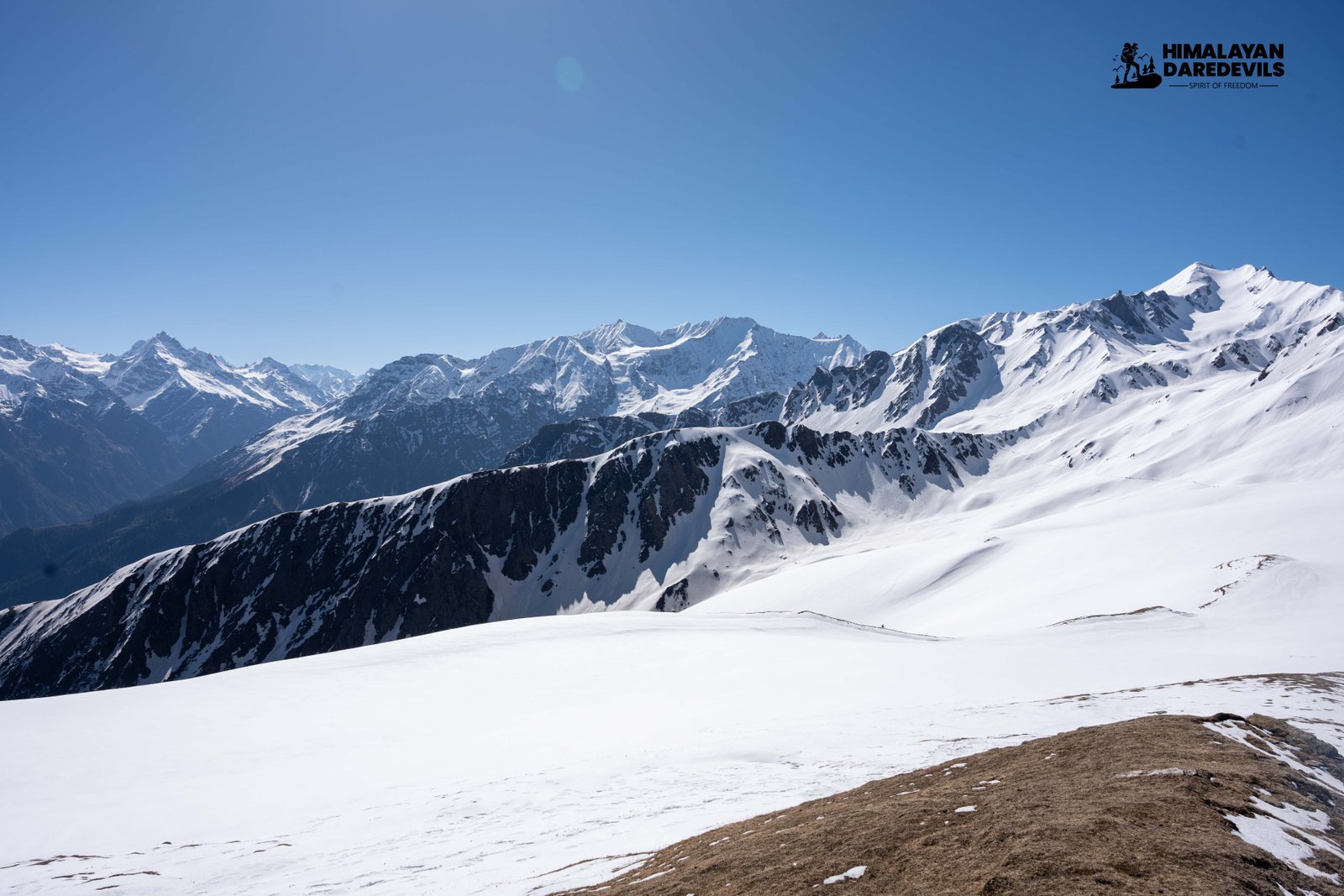
This trek is known for its remote setting, long walking days, and technical summit push. The route passes through alpine meadows, glacial basins, and exposed snow slopes before the final pass crossing.
You can explore route details and logistics on the Bali Pass Trek page.
Overview of Kedartal Trek
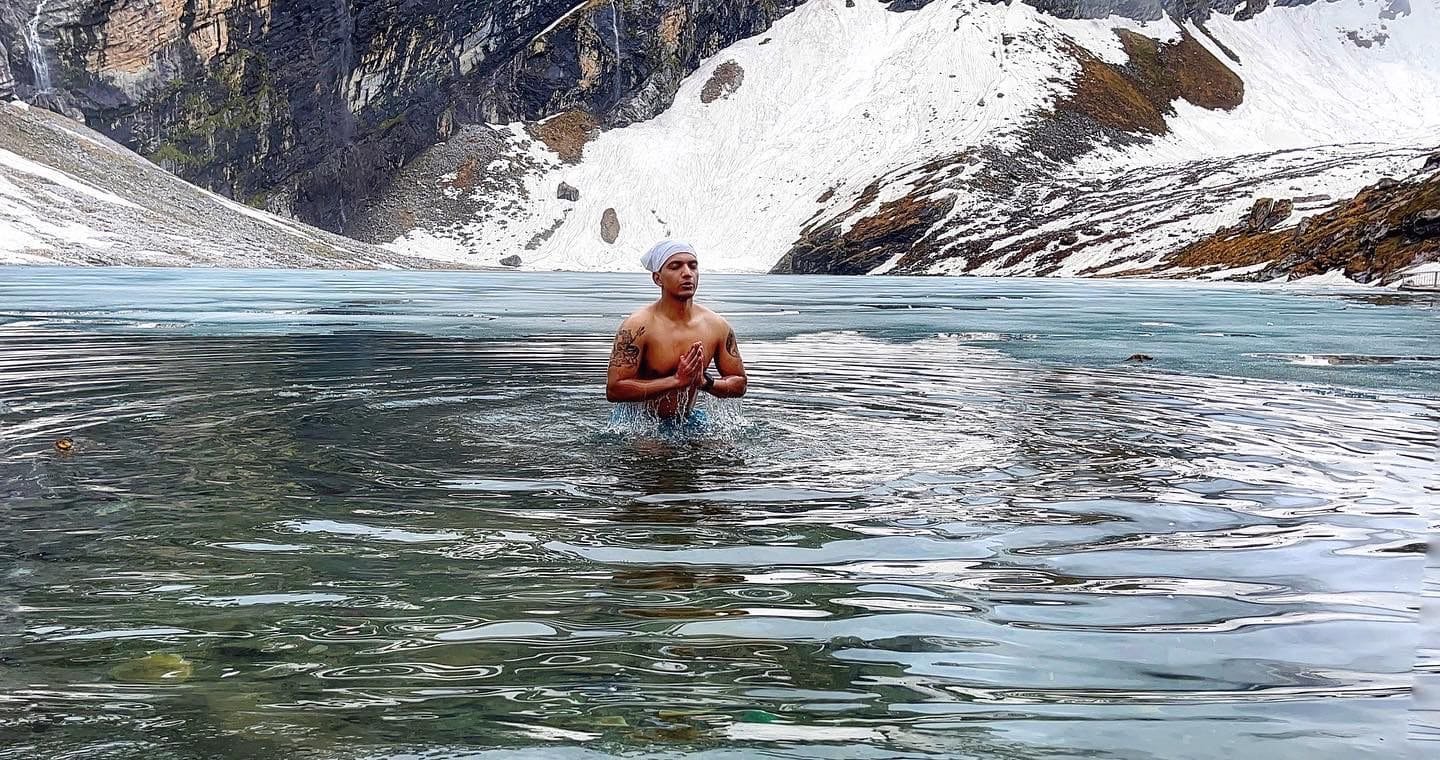
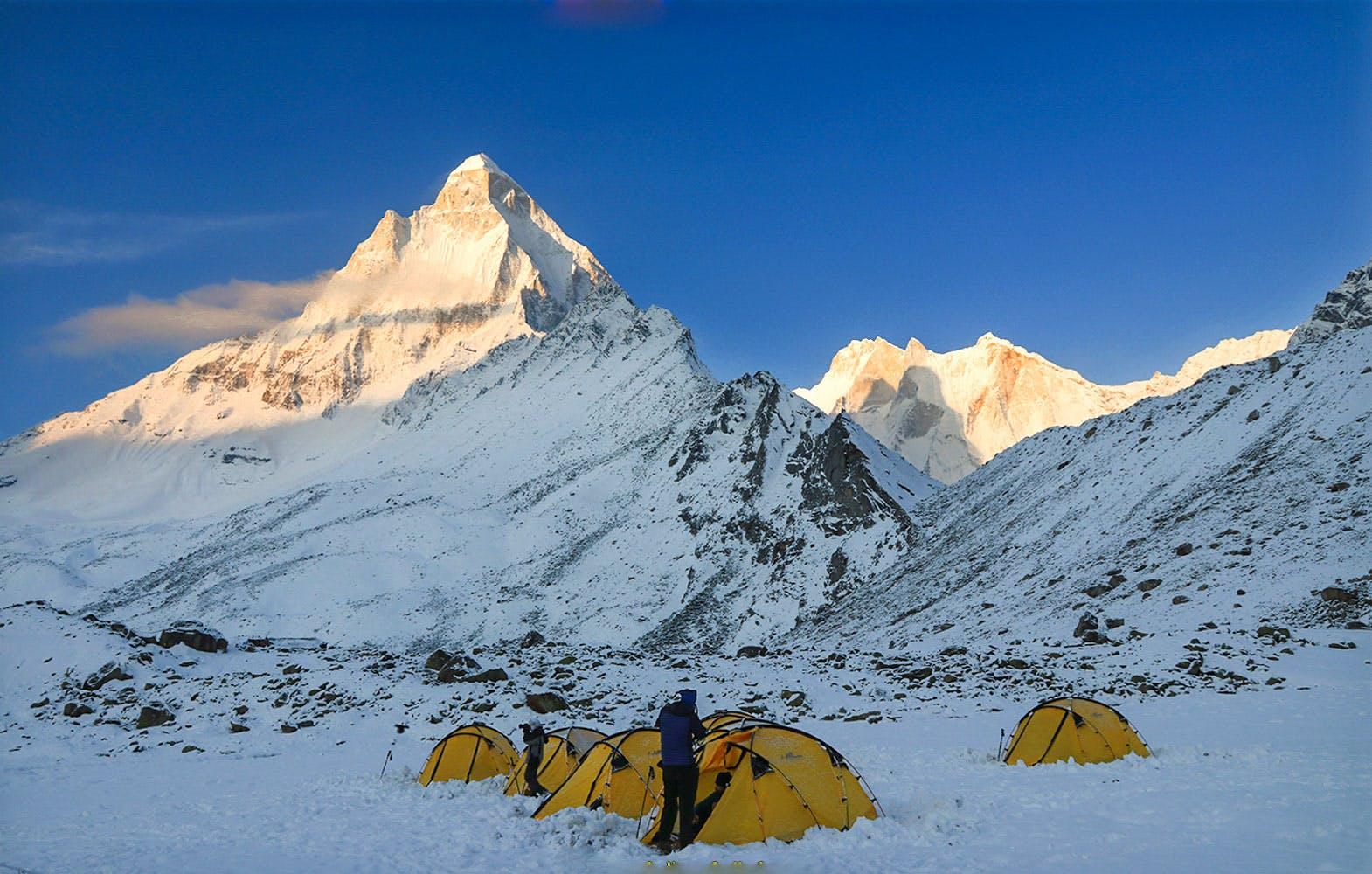
The Kedartal Trek is a short but intense high-altitude trek leading to one of the most stunning glacial lakes in Uttarakhand. Kedartal sits below Thalay Sagar and Meru, surrounded by towering rock faces.
Duration: 5–6 days
Maximum Altitude: Approx. 15,500 ft
Starting Point: Gangotri
Region: Garhwal Himalayas
Although shorter in duration, Kedartal is steep, rocky, and physically demanding. The trail involves continuous ascent over boulder sections and moraine zones, making it challenging despite fewer trekking days.
More details are available on the Kedartal Trek page.
Bali Pass Trek vs Kedartal Trek – Difficulty Comparison
 Both treks fall into the difficult category, but the nature of difficulty differs.
Bali Pass Trek difficulty:
Long trekking days at high altitude
Technical snow and ice sections near the pass
Requires rope support in most seasons
Demands endurance and mountain awareness
Kedartal Trek difficulty:
Steep ascent over rocky terrain
Continuous altitude gain with minimal gradual buildup
Loose boulders and exposed trail sections
Shorter but physically intense
Bali Pass tests overall endurance and technical confidence, while Kedartal pushes physical strength and balance on rough terrain.
Altitude and Acclimatization Comparison
Bali Pass: Higher altitude with gradual gain spread across days
Kedartal: Rapid altitude gain in a short duration
Bali Pass allows better acclimatization due to longer itineraries, while Kedartal requires trekkers to already be comfortable at high altitude. Those sensitive to altitude may find Kedartal more challenging.
Terrain and Route Conditions
Bali Pass Trek terrain includes:
Alpine meadows
Snowfields and glaciers
Narrow ridges and steep descents
River crossings
Kedartal Trek terrain includes:
Rocky trails from the start
Moraine zones
Boulder hopping
Minimal vegetation after initial days
In technical terms, Bali Pass involves more snow and mountaineering-style movement, while Kedartal is dominated by rugged rock terrain.
Scenic Beauty Comparison
Both treks offer dramatic Himalayan views, but the experience differs.
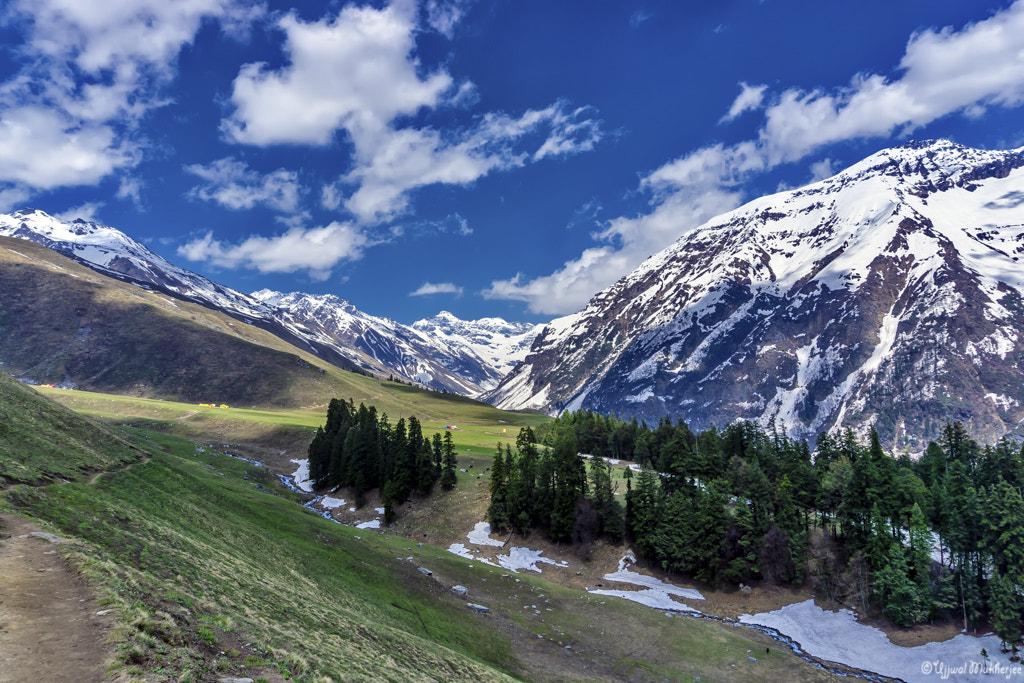
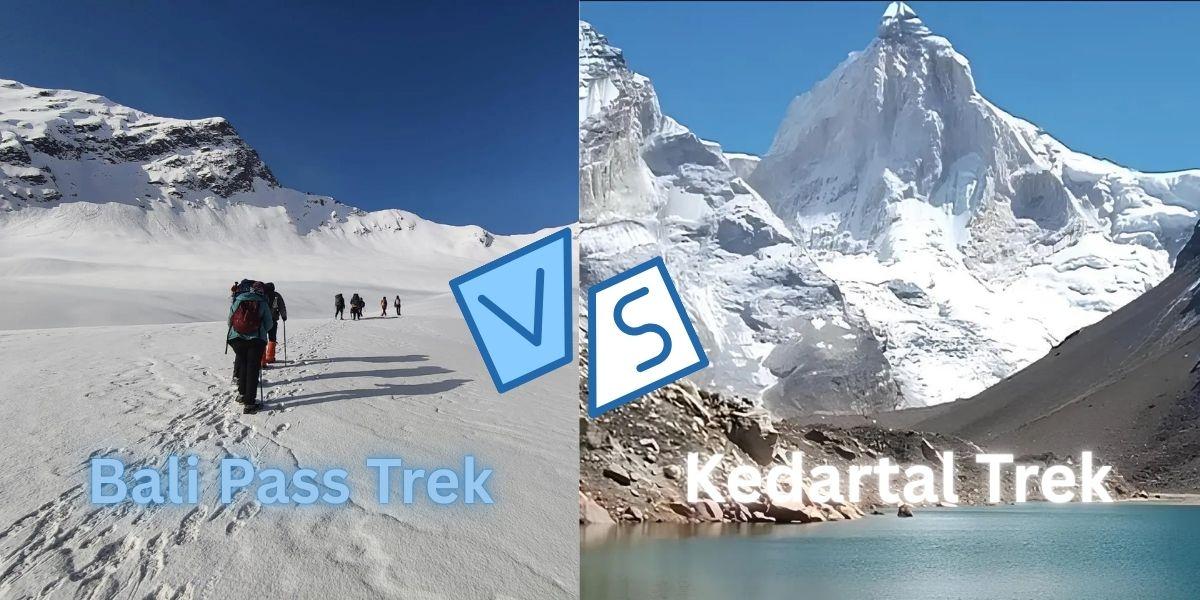
Bali Pass offers wide alpine landscapes, long valley views, and changing scenery over several days.
Kedartal delivers close-up views of towering peaks like Thalay Sagar and Meru, with the glacial lake as the main highlight.
If you enjoy expansive landscapes and a sense of journey, Bali Pass stands out. If you prefer raw mountain walls and a dramatic destination, Kedartal is unmatched.
Best Time to Do Bali Pass Trek vs Kedartal Trek

Bali Pass Trek:
Best months: May–June and September
Snow conditions vary by season
Weather windows are crucial
Kedartal Trek:
Best months: May–June and September–October
Snow usually clears earlier
Weather can change rapidly due to proximity to glaciers
Both treks require stable weather conditions and should only be attempted in recommended months.
Trek Duration and Logistics Comparison
Bali Pass Trek: Longer itinerary, remote exit, complex logistics
Kedartal Trek: Shorter duration, easier access from Gangotri
Trekkers with limited time often choose Kedartal, while those seeking a full expedition-style experience prefer Bali Pass.
Which Trek Is Better for Experienced Trekkers?
Bali Pass suits trekkers with prior high-altitude and snow trekking experience.
Kedartal suits trekkers who are physically strong and comfortable on rocky, exposed terrain.
Neither trek is recommended for first-time Himalayan trekkers.
Bali Pass vs Kedartal – Pros and Cons
Bali Pass Trek Pros
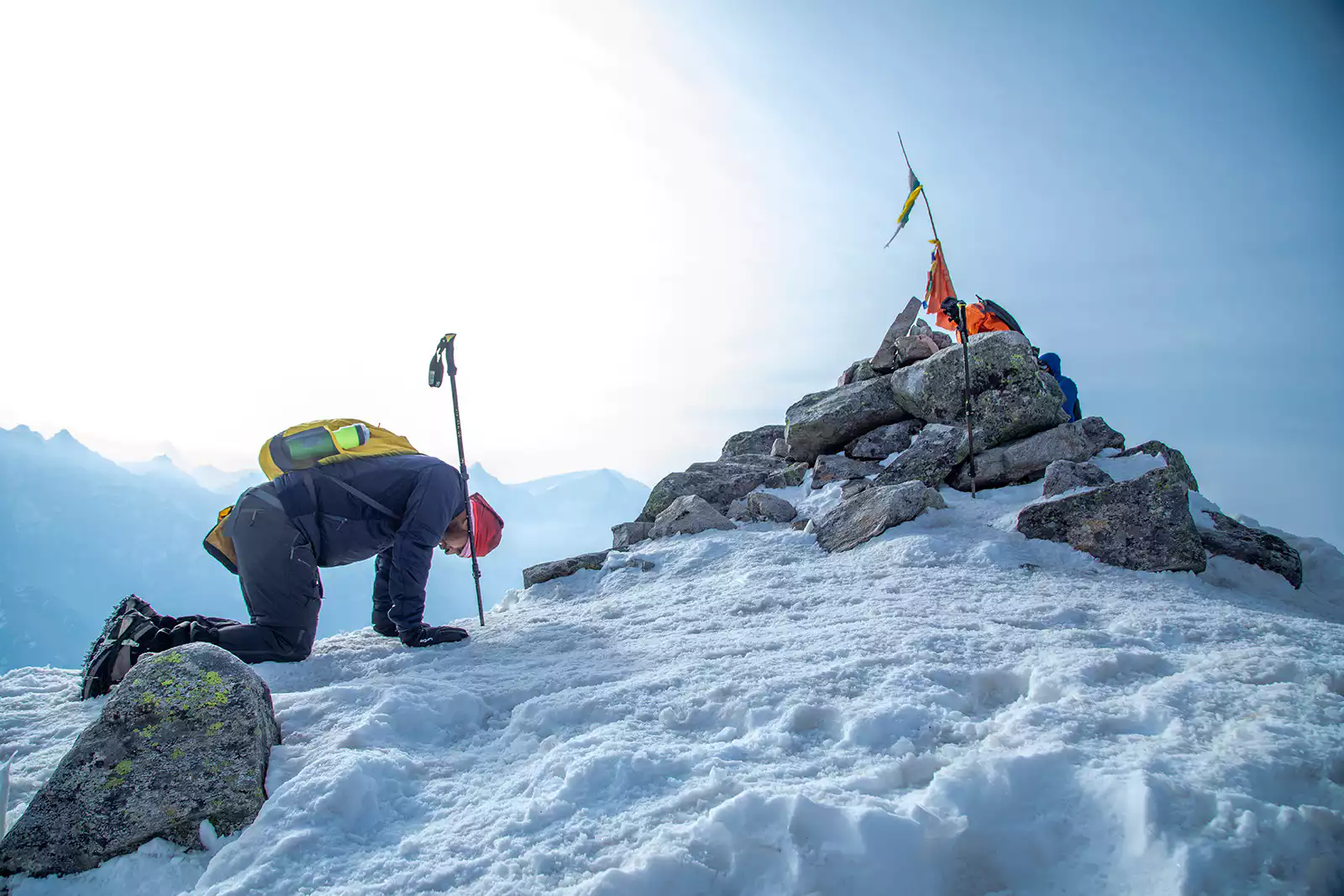
True high-altitude pass crossing
Remote and less crowded
Long, immersive Himalayan journey
Read More: Bali Pass Trek: Detailed Itinerary, Trekking Essentials & Best Time to Visit
Bali Pass Trek Cons
Physically and mentally demanding
Requires strong preparation and technical comfort
Kedartal Trek Pros
Shorter duration
Dramatic mountain views
Ideal for strong trekkers with limited time
Kedartal Trek Cons
Very steep and rocky
Less margin for acclimatization
Also Read: Kedartal trek: Detailed Itinerary, Trekking Essentials & Best Time to Visit
Which Trek Should You Choose? (Final Verdict)
Choose Bali Pass Trek if:
You want a long, remote high-altitude expedition
You are comfortable with snow, ropes, and technical terrain
You have prior Himalayan trekking experience
Choose Kedartal Trek if:
You want a short but intense high-altitude challenge
You are confident on rocky and exposed trails
You prefer a powerful destination-focused trek
Both treks are demanding, and the right choice depends on experience, preparation, and comfort level in extreme terrain.
Also Read: Bali Pass Trek| A Complete Guide to Bali Pass Trekking Route & Cost
Why Trek with Himalayan Daredevils

Himalayan Daredevils operates from the heart of Uttarakhand and specializes in high-altitude treks. The focus remains on safety, realistic itineraries, and experienced local trek leaders who understand mountain conditions deeply. For challenging treks like Bali Pass and Kedartal, this local expertise plays a critical role.
Frequently Asked Questions (FAQs)
1. Is Bali Pass Trek More Difficult Than Kedartal Trek?
Bali Pass is longer and more technical, while Kedartal is steeper and physically intense. Difficulty depends on your strengths.
2. Can Kedartal Trek Be Done Without High-Altitude Experience?
It is not recommended. Prior experience above 4,000 meters is important.
3. Which Trek Involves More Snow And Technical Sections?
Bali Pass usually involves more snow, glacier travel, and rope-assisted sections.
4. How Fit Do I Need To Be For These Treks?
You should be able to trek 7–8 hours daily at high altitude and handle steep ascents comfortably.
5. Which Trek Offers Better Mountain Views?
Kedartal offers close-up views of massive peaks, while Bali Pass provides wider alpine landscapes.